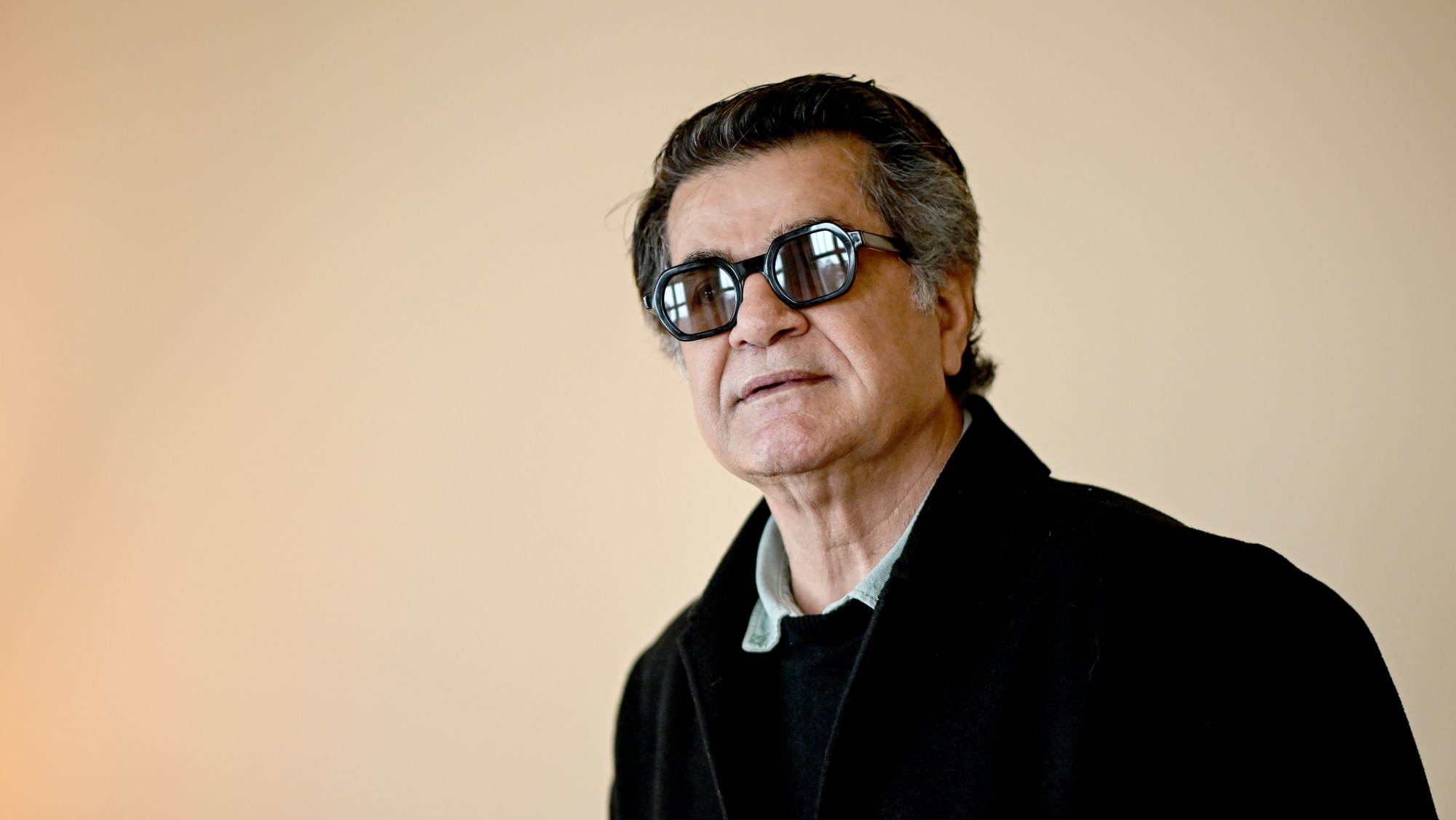
Jafar Panahi, the celebrated Iranian filmmaker, is set to return to Iran following a significant promotional tour for his film It Was Just an Accident. The tour, which marked his first-ever U.S. engagement, coincided with a troubling development: Iran has issued Panahi a new prison sentence and a two-year travel ban due to “propaganda activities” linked to his work. This announcement came shortly after he celebrated multiple awards for his film, which won the Palme d’Or at the Cannes Film Festival and is nominated for several major accolades, including the Golden Globe Awards.
After over a decade of being restricted from travel, Panahi was able to attend the Cannes premiere of his film, which draws inspiration from his experiences in Iranian prisons. It explores themes of freedom and resilience, resonating deeply with audiences worldwide. Panahi expressed his relief and joy at finally being able to share his work with international viewers, stating, “Anywhere I went and saw the film with an audience was itself an experience.”
His U.S. tour included stops at prestigious venues, culminating in a screening at Lincoln Center in New York, where he was awarded the best director prize by the New York Film Critics’ Circle. Despite this success, the day after the tour concluded, news of his sentencing broke, underscoring the precarious situation many artists face in Iran.
Panahi, while in the United States, won directing and screenplay awards at the Gotham Awards and continued to screen his film globally, making stops in Morocco and Germany. He remains undeterred by the looming prison sentence, stating emphatically, “The day that I’m done with my work here, I will return to Iran.”
Reflecting on the diverse reactions to his film, Panahi noted that humor was perceived differently across cultures. He recalled instances during screenings where American audiences laughed at moments he found unexpected, highlighting cultural interpretations of his narrative. For instance, a scene depicting an interrogated family being taken to the hospital elicited laughter in the U.S., which he found perplexing, given the film’s serious undertones in Iran.
As he prepares for potential imprisonment, Panahi emphasized his commitment to returning to Iran, driven by a deep understanding of his cultural context. He remarked, “I know the context of my country. I know the culture, the language, the everyday life.” This sentiment reflects the struggles faced by many Iranian artists, including filmmakers like Ali Ahmadzadeh and Behtash Sanaeeha, who face censorship and restrictions yet continue to create meaningful work.
The Iranian government has increased scrutiny of artists and activists, particularly following the Woman, Life, Freedom movement. Despite the challenges, Panahi remains resolute, stating, “I really work and behave based on what I sense and what I feel.”
As he anticipates his return, Panahi is also navigating the complexities of an appeals process regarding his prison sentence. He expressed uncertainty about the outcome, stating, “The court has met, but I have yet to speak to my lawyer and see what happened.”
This moment in Panahi’s career encapsulates both triumph and adversity. It serves as a poignant reminder of the ongoing struggles faced by artists in oppressive regimes, while also celebrating the universal power of storytelling. As he prepares for the next chapter, Panahi’s journey remains a testament to the resilience of the human spirit in the face of overwhelming odds.