President Donald Trump faced strong criticism from Mette Frederiksen, the Prime Minister of Denmark, after he reiterated his intention to acquire Greenland. This statement followed a recent U.S. military operation in Venezuela, raising concerns about the implications of his comments on international relations.
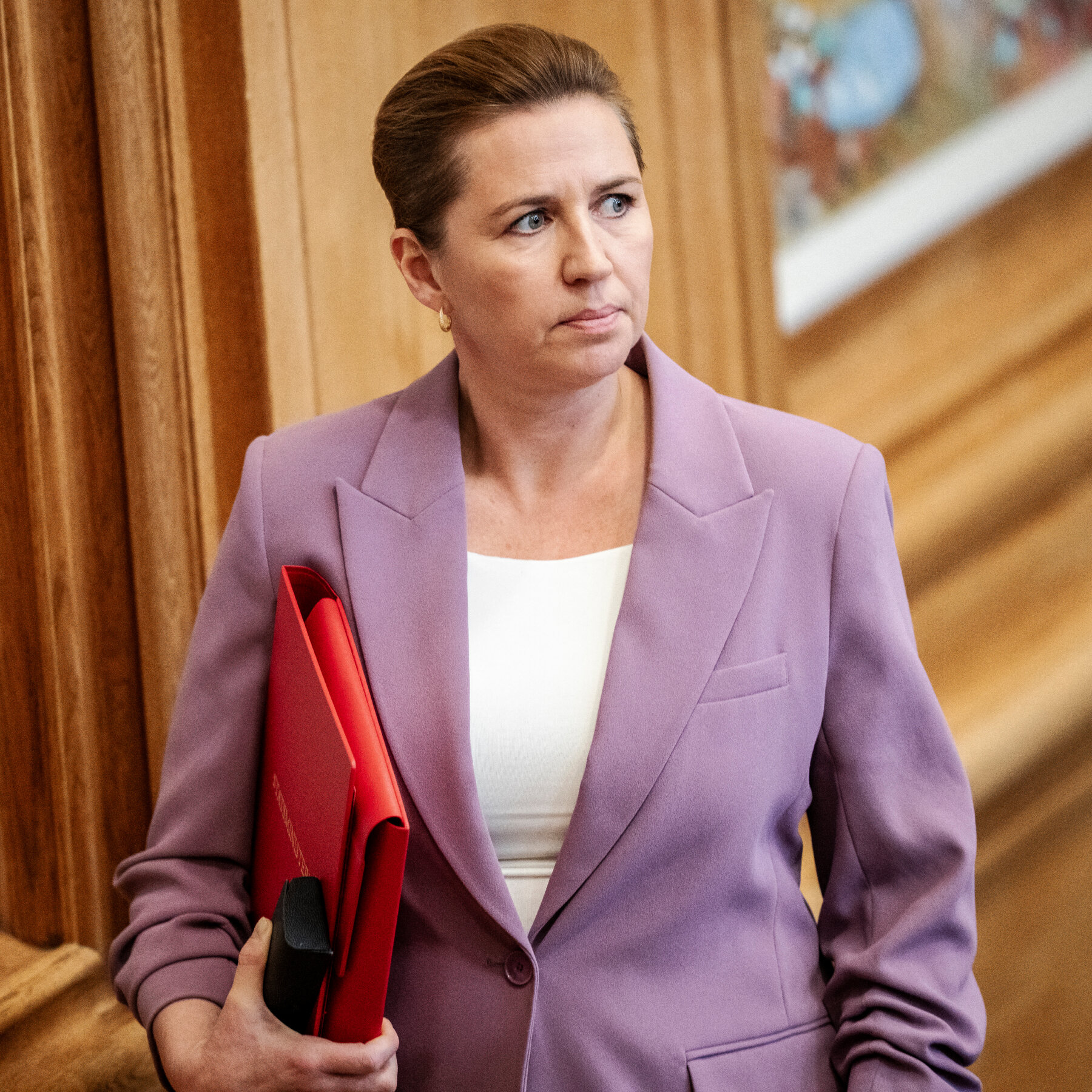
During a press conference on August 22, 2023, Prime Minister Frederiksen directly addressed Trump’s remarks, urging him to “stop the threats.” She emphasized that Greenland is not for sale and called for a more respectful dialogue between nations. The prime minister’s response highlighted Denmark’s commitment to its autonomy and its strategic relationship with Greenland, which has been a part of the Kingdom of Denmark since 1721.
Trump’s comments come on the heels of a controversial military raid in Venezuela, where U.S. forces aimed to combat drug trafficking and restore order in the region. The duality of his statements regarding Greenland and Venezuela has sparked debate about U.S. foreign policy under the current administration.
International Reactions and Implications
The international community has reacted with a mixture of concern and disbelief regarding Trump’s comments. Many experts warn that such rhetoric could strain diplomatic ties between the United States and Denmark, as well as other countries in the Arctic region. The geopolitical significance of Greenland, which is rich in natural resources and strategically located, adds another layer of complexity to the situation.
Denmark’s Foreign Minister, Lars Løkke Rasmussen, supported Frederiksen’s stance, asserting that “Greenland is an integral part of Denmark.” He also emphasized the importance of maintaining diplomatic relations and mutual respect among nations. This sentiment resonates with many observers who believe that Trump’s approach could undermine long-standing alliances.
Historically, the U.S. has shown interest in Greenland, notably during World War II and the Cold War, when its strategic location was deemed vital. However, the notion of purchasing Greenland, which Trump floated in 2019, was met with swift rebuke from Danish officials. Frederiksen’s recent comments reiterate this sentiment, framing the discussion around Greenland not as a matter of sale but one of partnership and collaboration.
Future of U.S.-Denmark Relations
As discussions surrounding Greenland continue, the future of U.S.-Denmark relations may hinge on how both nations navigate these sensitive topics. Analysts suggest that maintaining open channels of communication will be crucial. The U.S. and Denmark have historically cooperated on various issues, including climate change and security in the Arctic.
The Danish government’s firm stance reflects a broader commitment to uphold its sovereignty while engaging with the U.S. on shared interests. In light of Trump’s remarks, it remains to be seen how both leaders will approach future dialogues. The potential for tension looms, but the hope for constructive engagement persists.
In conclusion, the latest developments surrounding Greenland’s status raise important questions about international diplomacy and the impact of political rhetoric. As both nations move forward, a balanced and respectful approach will be essential for fostering a positive relationship in the years to come.