UPDATE: In a dramatic turn of events, President Donald Trump announced that the United States will take control of Venezuela following the capture of President Nicolas Maduro and his wife, Cilia Flores, during a large-scale military operation early Saturday. This unprecedented action has raised critical questions about U.S. involvement in the country’s governance.
Trump stated, “We are going to run the country until such time as we can do a safe, proper, and judicious transition.” This announcement shifts the focus from military operations to the implications of U.S. governance in Venezuela, a nation grappling with economic turmoil and corruption.
The capture of Maduro, confirmed by U.S. officials, is viewed as a significant victory for the Trump administration. Trump praised the operation, highlighting the “extraordinary level of skill, technology, and daring” exhibited by U.S. forces, contrasting it with previous military missteps like the withdrawal from Afghanistan.
As the situation continues to unfold, the administration is now faced with pressing questions about what “running the country” entails. A reporter queried Trump about the mechanism of governance, asking if U.S. officials would be appointed to oversee Venezuelan operations. Trump confirmed, “Yes, it’s all being done right now,” signaling active preparations for U.S. involvement.
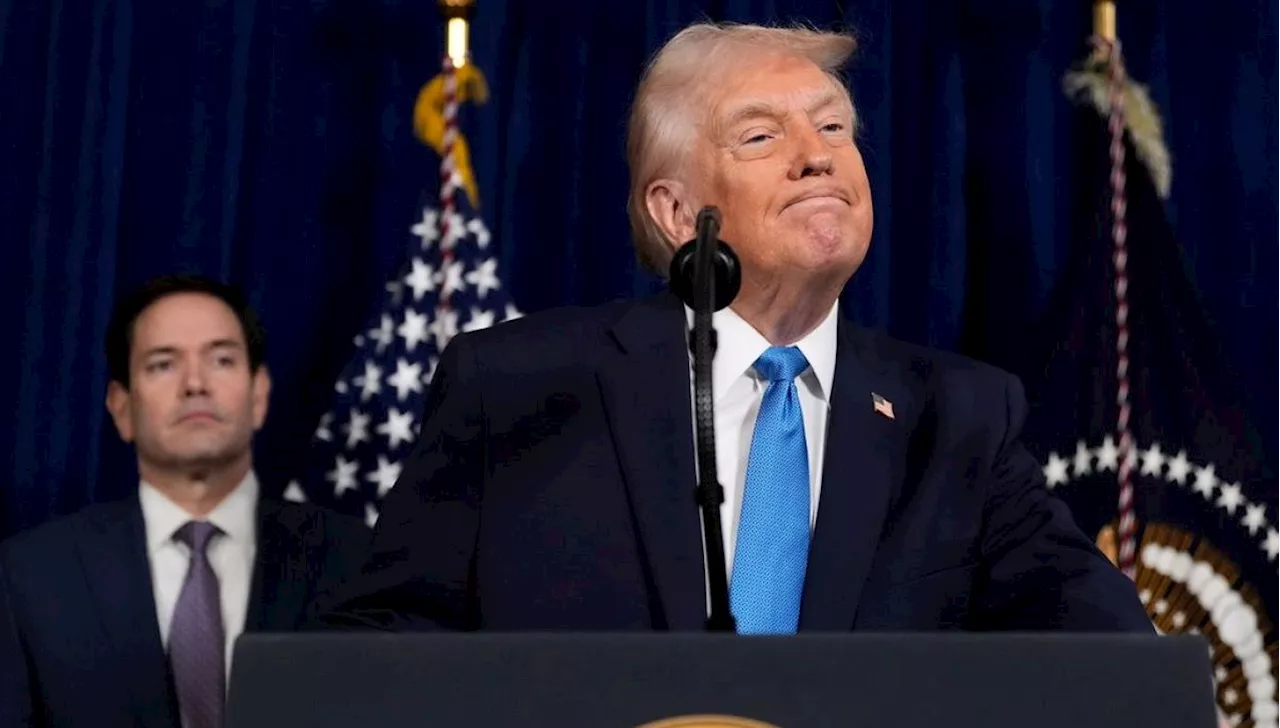
Among those present during the announcement were key officials: Secretary of State Marco Rubio, War Secretary Pete Hegseth, CIA Director John Ratcliffe, and Joint Chiefs of Staff Chairman Dan Caine. Their presence underscores the administration’s resolve to establish a stable governance structure in Venezuela.
Rubio clarified that the U.S. will not appoint officials in the traditional sense but aims to steer Venezuelan leaders away from corruption, especially within the oil industry. “We’re focused on no more drug trafficking and establishing better relations with the U.S.,” Rubio stated. This highlights a shift towards securing U.S. interests while potentially benefiting the Venezuelan populace.
The critical strategy revolves around Venezuela’s oil economy. Rubio emphasized, “We don’t need Venezuela’s oil. What we’re not going to allow is for the oil industry in Venezuela to be controlled by adversaries of the United States.” This move aims to prevent foreign adversaries from exploiting Venezuela’s resources, ensuring stability in the Western Hemisphere.
Trump’s administration faces a pivotal moment as it navigates the complexities of U.S. involvement in Venezuelan politics. The early rhetoric suggests a determination to avoid the pitfalls of prolonged nation-building, a topic Trump has consistently criticized. However, the administration must act swiftly to stabilize the situation and facilitate a transition of power.
The world will be watching closely to see how the U.S. balances its interests with the needs of the Venezuelan people. Any signs of chaos or instability could lead to intense scrutiny and accusations of overreach, potentially jeopardizing Trump’s domestic political standing.
As developments occur, the administration must communicate clearly about its objectives and the timeline for transitioning power. Quick action could quell criticism and solidify Trump’s position as a decisive leader during critical international events.
Next Steps: The U.S. government is expected to release further details regarding its governance plans in Venezuela soon. Stakeholders are eager to see how this intervention will unfold and impact the lives of Venezuelans moving forward.
Stay tuned for more updates as this urgent situation continues to develop.