Nicolás Maduro, the controversial president of Venezuela, was seen for the first time since his capture, making a handcuffed appearance at the Drug Enforcement Administration (DEA) headquarters in New York City. Footage captured during the event showed him wishing agents a “Happy New Year,” a moment that raised eyebrows given the gravity of his situation.
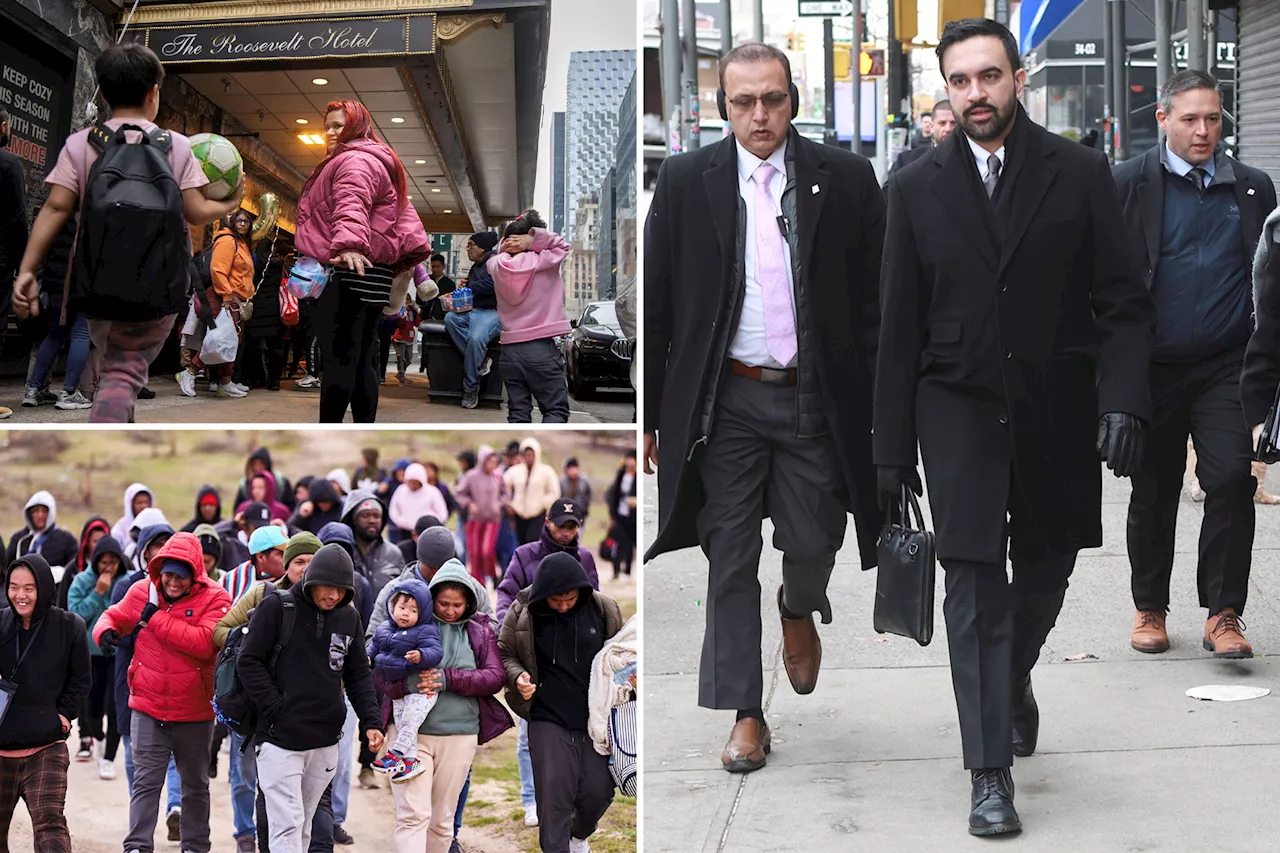
The backdrop of Maduro’s capture highlights ongoing political tensions, particularly as New York City’s new mayor, Zohran Mamdani, has previously advocated for lifting U.S. sanctions on Venezuela. Mamdani has attributed these penalties to worsening conditions that have fueled the migrant crisis affecting the United States. His stance became public when he signed a statement on September 18, 2023, from the city chapter of the Democratic Socialists of America addressing the influx of migrants from the southern border.
In the statement, Mamdani, alongside U.S. Representative Alexandria Ocasio-Cortez and other politicians, asserted that many new arrivals had been displaced due to destabilizing economic policies implemented by the United States. “The root causes of the economic precarity and destabilization that has forced thousands to leave their homes and seek shelter in the United States can be attributed to U.S. foreign policy: sanctions, exploitative trade agreements, and political coups,” the statement read.
Mamdani has been a vocal critic of the previous administration’s approach to Venezuela, particularly in light of recent military actions against Maduro. He stated that he had reached out to former President Donald Trump to express his opposition to the removal and capture of the Venezuelan leader, characterizing the attack as “an act of war and a violation of federal and international law.”
As he continues to address the challenges facing New Yorkers, Mamdani emphasized the need for an end to sanctions, asserting that doing so could improve the economic conditions in Venezuela. “By ending sanctions on Venezuela, we can begin to improve the economic conditions contributing to destabilization and displacement,” he remarked.
Mamdani’s administration has taken a firm stance on the treatment of asylum seekers. Much of the September statement criticized then-Mayor Eric Adams and Governor Kathy Hochul for their handling of the crisis, which has seen tens of thousands of asylum seekers arrive in New York City.
His perspective on international matters is not new; Mamdani had previously expressed interest in Venezuelan electoral processes back in 2013, suggesting that Venezuelans could serve as monitors during disputed elections in Zimbabwe. He noted the need for a nuanced understanding of international affairs, stating, “My focus is their safety and the safety of every New Yorker, and my administration will continue to monitor the situation and issue relevant guidance.”
As political discourse continues to evolve, Mamdani’s views on Venezuela and U.S. foreign policy are likely to remain a focal point in his tenure as mayor. The implications of his stance on sanctions could resonate not only within New York City but also across the broader landscape of U.S. foreign relations.
With Maduro’s recent capture, the complexities of U.S.-Venezuela relations are brought to the forefront, illustrating the intricate connection between foreign policy and local governance. As Mamdani navigates these challenges, the safety and welfare of New Yorkers, particularly those with ties to Venezuela, remain a significant priority.