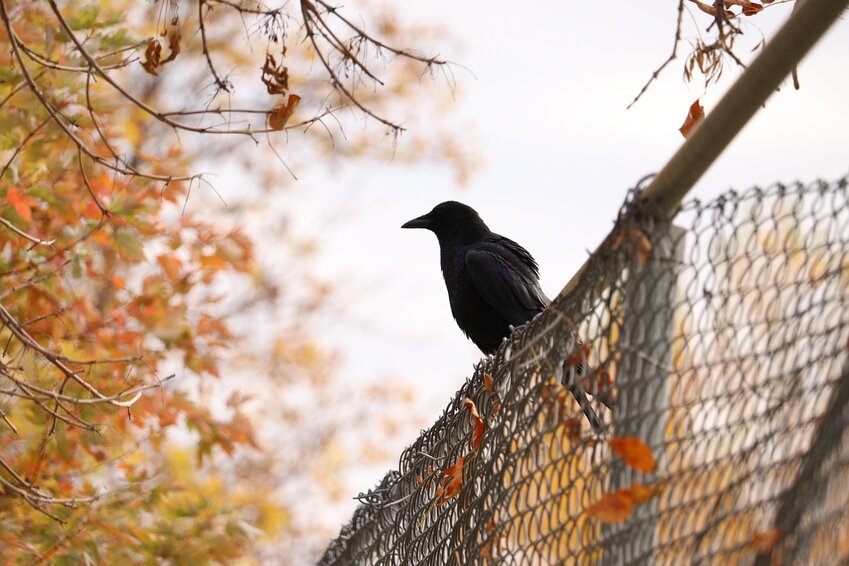
URGENT UPDATE: Residents in Washington State are facing an unexpected threat to their lawns as crows and other wildlife dig up grass, revealing a deeper ecological issue. Just confirmed by experts, these birds are not just causing chaos; they are seeking out the larvae of the European chafer, an invasive beetle responsible for damaging turf.
In a report released earlier today, John Marzluff, an emeritus professor of wildlife science at the University of Washington, highlighted that the crows are engaging in a form of natural pest control by targeting these destructive larvae. “They’re just there because of the grubs,” Marzluff explained. “They’re pointing out an ecological imbalance that we wouldn’t know about otherwise.”
As homeowners witness their gardens being torn apart, it’s crucial to understand the real culprits behind the destruction. The European chafer larvae feast on turf roots, leading to the visible damage on lawns. Other nocturnal animals, such as raccoons and skunks, are also hunting these pests but remain less visible during the day.
Why This Matters NOW: With the warm summer months approaching, these beetles are expanding their territory at a rapid pace, making it vital for homeowners to act immediately. According to Jim Kropf from the Washington State University Pierce County Extension, watering lawns can help keep the beetles in check. “When the lawn is the most susceptible is also when the beetles are expanding their territory,” Kropf stated.
Experts recommend applying registered insecticides strategically, as timing is critical. Spraying in the fall or winter months is ineffective against these pests. Instead, targeting treatments during the summer when the beetles are most active can help mitigate the problem.
In addition, Marzluff suggests that diversifying plant life in lawns could provide a natural defense. “Having a diverse ecosystem in your lawn reduces the chance of a pest getting in there and just wiping out the whole thing,” he noted. Homeowners are encouraged to explore native plants, with resources available through King County’s online guide at green2.kingcounty.gov/gonative.
As residents grapple with the destruction of their beloved green spaces, it’s crucial to remember: do not feed wildlife. Kropf warns that feeding raccoons can lead to aggressive behavior once feeding stops, further complicating the issue of wildlife interaction.
What’s Next: Homeowners should remain vigilant and proactive in managing their lawns. With the threat of the European chafer and the crows’ role in revealing this problem, immediate actions can help restore the health of your lawn and maintain ecological balance.
Stay tuned as more developments unfold regarding this urgent environmental issue impacting communities across Washington State. Share this information to help fellow residents understand the importance of protecting their lawns and the ecosystem.