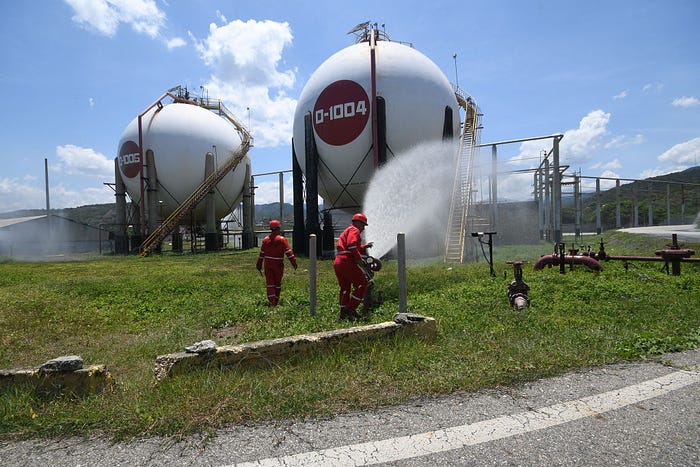
Recent U.S. military actions in Venezuela have raised questions about the potential impact on global oil prices, which could influence the costs Americans face at the gas pump. Venezuela currently holds an impressive reserve of 303 billion barrels of oil, approximately one-fifth of the world’s total reserves. The situation in Venezuela is now under close scrutiny as market analysts assess how these developments may affect crude oil supply and prices.
The oil market is highly responsive to geopolitical events, and the U.S. assault on Venezuela has shifted focus to the country’s significant oil stockpile. While fluctuations in oil prices are a concern for consumers, experts believe that any immediate effects will be limited. Currently, Venezuela produces less than 1% of the world’s daily crude supply, which suggests that its current output will not drastically alter global prices in the short term.
Venezuelan Oil Infrastructure Remains Intact
Reports indicate that Venezuela’s oil infrastructure has not suffered damage from the recent military actions. This lack of disruption minimizes the potential for immediate impacts on oil production levels. Analysts suggest that the stability of Venezuela’s oil facilities will likely help maintain the current equilibrium in global oil prices.
Additionally, forecasts show that a record global oil surplus is expected to reach its peak by 2026. This surplus may further cushion the effects of any changes in Venezuelan production on the market. With current prices for crude oil already depressed, any increase in output from Venezuelan reserves could contribute to a further decline in prices, making it an important factor for U.S. consumers.
The Dilemma for U.S. Oil Companies
As the U.S. government signals intentions to tap into Venezuelan oil reserves, U.S. companies face a complicated decision-making process. If they begin drilling in Venezuela, they could contribute to an already oversaturated market. The paradox lies in the fact that increasing production may lead to even lower oil prices, which would diminish profit margins for these companies.
Historical data indicates that crude oil prices have decreased notably since early last year, raising concerns among industry stakeholders. The interplay between additional oil from Venezuela and global market dynamics will shape the outlook for both producers and consumers in the months to come.
Ultimately, the decisions made by U.S. companies regarding Venezuelan oil will have significant implications for oil prices and, consequently, what consumers pay at the pump. The ongoing situation in Venezuela is a critical factor to monitor, as its developments will continue to resonate within the global oil market.