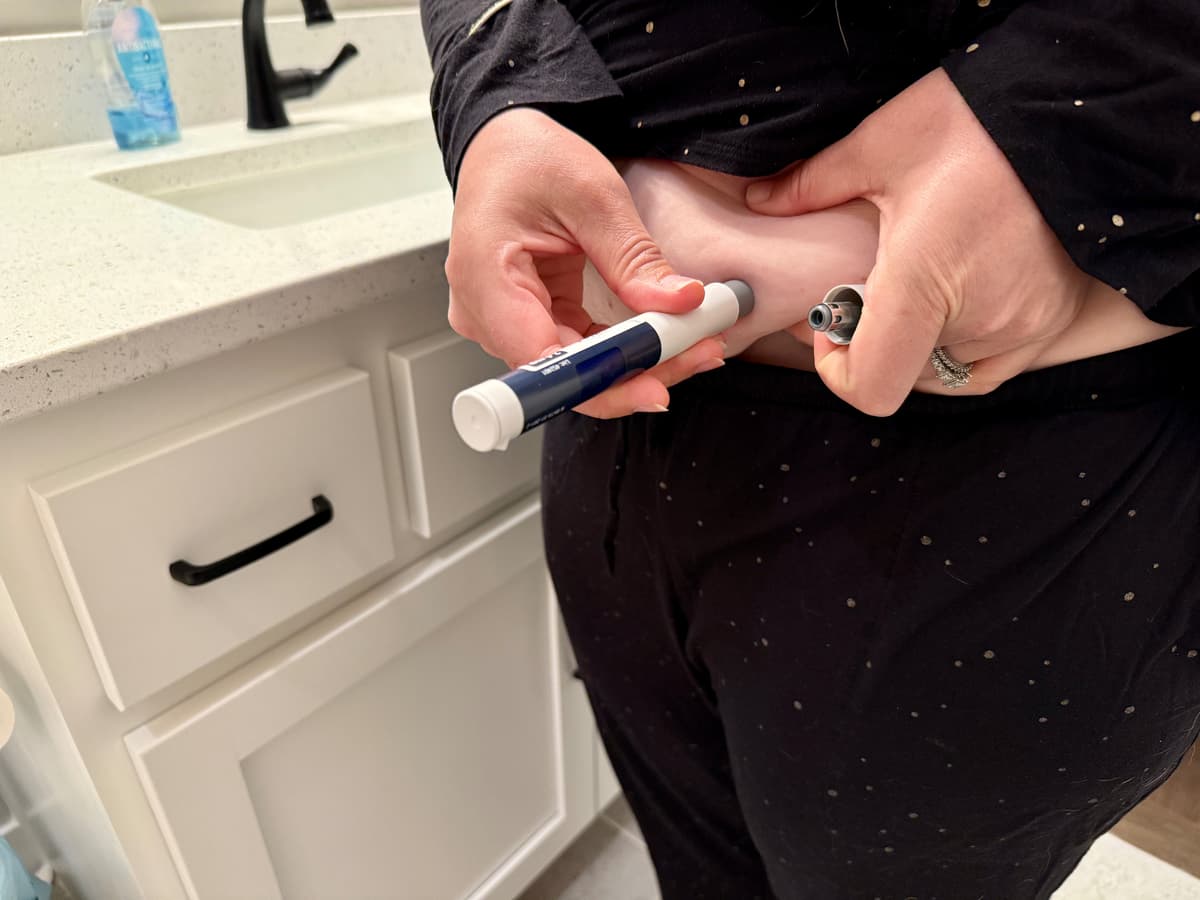
The popularity of GLP-1 weight loss medications is reshaping dining habits, leading to an increase in spending at restaurants. As users of these drugs—such as Ozempic and Wegovy—seek convenient meal options, eateries are adjusting their menus to attract this growing customer base.
The rise in restaurant spending linked to GLP-1 users reflects broader trends in consumer behavior. According to a recent report by Business Insider, individuals using these medications often experience reduced appetite, prompting them to seek out meals that are both appealing and easy to consume when they do choose to eat. This shift has created opportunities for restaurants to innovate their offerings and cater to this specific demographic.
Menu Innovations for GLP-1 Users
To accommodate the needs of GLP-1 users, many restaurants are modifying their menus. This includes introducing smaller portion sizes and focusing on nutrient-dense ingredients that align with the dietary preferences of those seeking weight loss. Additionally, some eateries are emphasizing the availability of healthier options that are quick to prepare and can be enjoyed without the need for extensive home cooking.
In response to changing consumer demands, food delivery services are also seeing a surge in requests for meals tailored to the dietary restrictions of GLP-1 users. This trend highlights a significant shift in how consumers engage with food, prioritizing convenience and health-oriented choices.
A study conducted by Datassential revealed that nearly 30% of restaurant operators have noted an increase in demand for dishes suitable for health-conscious diners. This aligns with broader statistics indicating that restaurant spending has been steadily increasing, with food service sales projected to reach $899 billion in the United States alone by the end of 2023.
Economic Impact and Future Trends
The economic implications of this trend are substantial, as restaurant owners adapt to attract GLP-1 users. By shifting their focus to convenience and health, eateries not only expand their customer base but also capitalize on a lucrative market segment. As the demand for GLP-1 medications continues to rise, the food service industry is likely to see ongoing growth, driven by the evolving preferences of consumers.
Furthermore, analysts predict that this trend may lead to a lasting change in the restaurant landscape. As more people embrace weight loss medications, the emphasis on healthier, convenient meal options may become a permanent fixture in menus across various dining establishments.
In summary, the intersection of GLP-1 medication use and restaurant spending reflects a significant change in consumer behavior. Eateries are not just meeting the needs of a new demographic; they are also harnessing this opportunity to innovate and thrive in an increasingly competitive market. As these trends continue to develop, the food service industry is poised to adapt and evolve further to cater to health-conscious diners.