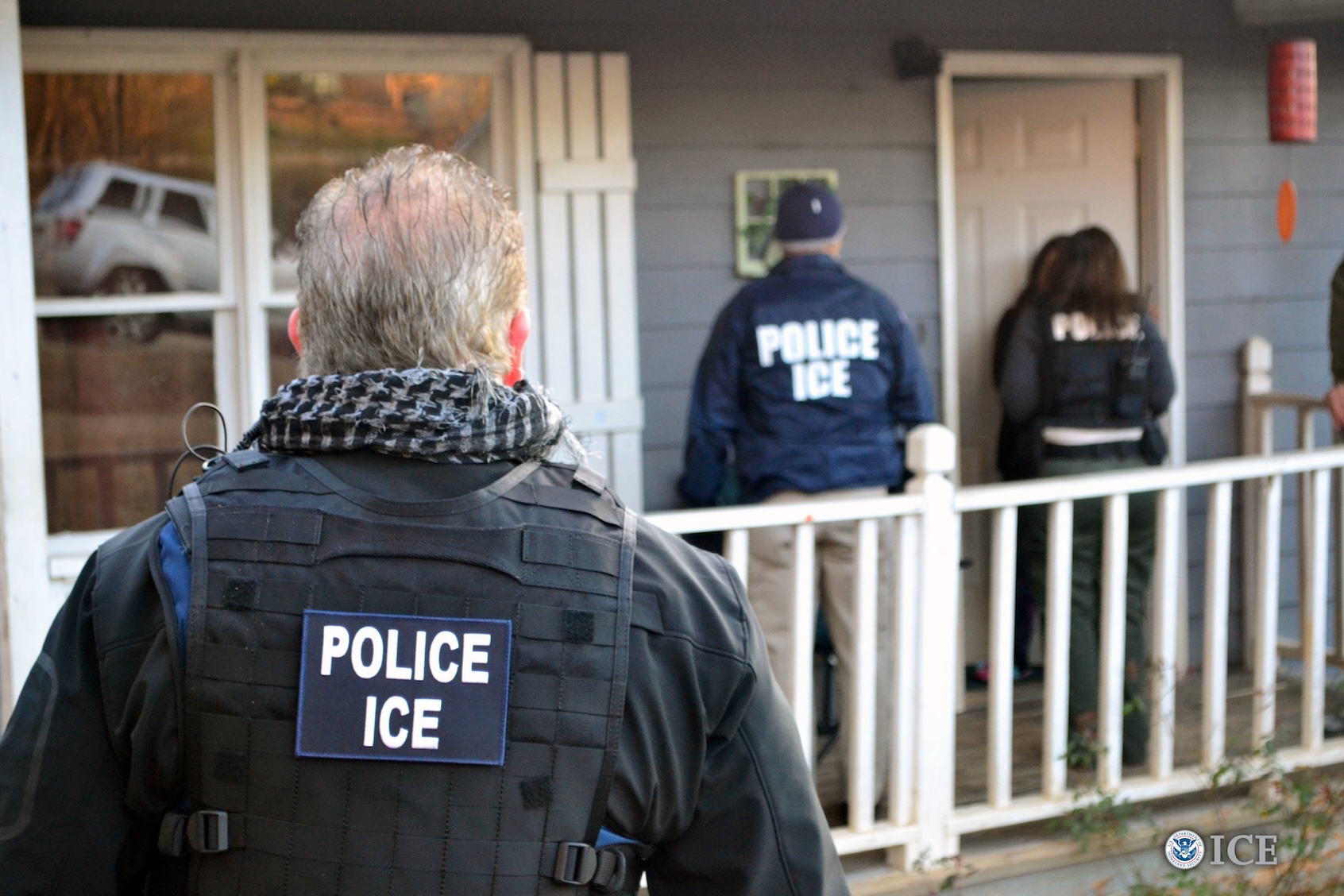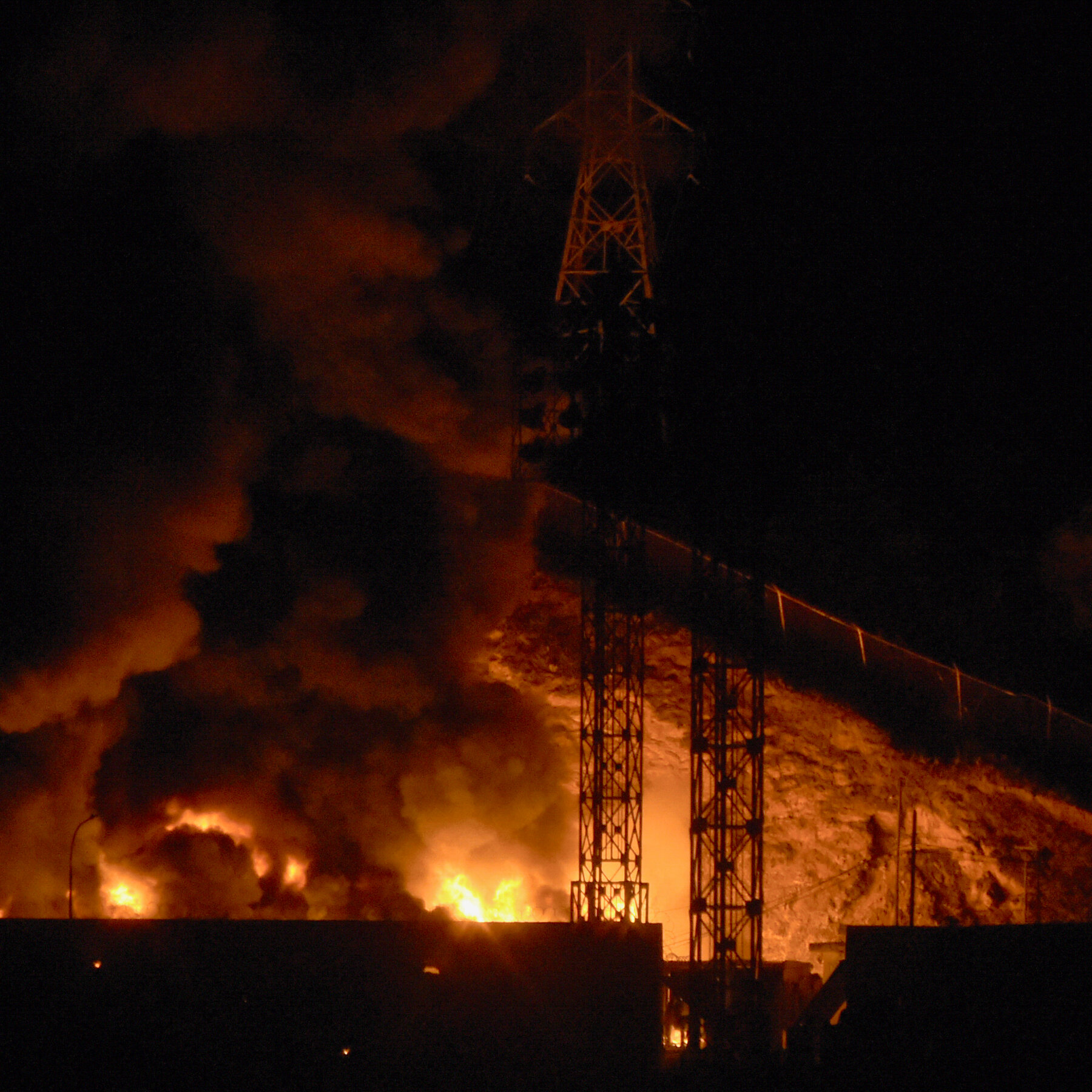
President Donald Trump announced a significant military operation on October 7, 2023, resulting in the capture of Venezuelan leader Nicolás Maduro. According to the President, U.S. forces executed “a large scale strike against Venezuela,” successfully extracting Maduro and his wife from the country. This operation marks a critical moment in U.S.-Venezuelan relations, which have been strained for years.
The offensive follows months of increasing pressure from the Trump administration aimed at undermining Maduro’s government. The U.S. has long criticized Maduro for his handling of the Venezuelan economy and alleged human rights abuses. The military action illustrates a notable shift in U.S. foreign policy, emphasizing a more interventionist approach in Latin America.
Details of the Operation
While specific operational details remain classified, sources indicate that the strike involved coordinated air and ground units. U.S. forces reportedly utilized intelligence gathered over several months to locate Maduro’s whereabouts. The extraction was described as a precise operation with minimal civilian impact, although exact casualty figures have not been disclosed.
The striking announcement by President Trump came during a press conference where he emphasized the importance of restoring democracy in Venezuela. “We are committed to supporting the Venezuelan people in their quest for freedom,” he stated. This declaration aligns with long-standing U.S. policy aimed at removing Maduro from power.
In the aftermath of the military operation, reactions from the international community have been mixed. Some nations have applauded the U.S. for taking decisive action, while others have condemned the strike as an infringement on Venezuela’s sovereignty. The Venezuelan government has vowed to retaliate against what it calls an “act of aggression.”
Implications and Reactions
The capture of Nicolás Maduro raises several questions regarding the future of Venezuela. Analysts speculate that his removal could lead to a power vacuum, potentially igniting further unrest in the country. Juan Guaidó, a prominent opposition leader, has welcomed the news, suggesting that it could pave the way for a transitional government.
On the economic front, the U.S. has imposed sanctions on the Venezuelan oil sector for years, significantly impacting the country’s economy. The situation remains fluid, and it is unclear how the capture will affect existing sanctions or U.S. relations with other Latin American nations.
Critics of the operation caution that military interventions can have unintended consequences. Maria Elena Salazar, a political analyst at the University of Caracas, stated, “While the removal of Maduro might seem beneficial, we must consider the long-term implications for stability in the region.”
As the situation develops, the global community watches closely, with many awaiting further statements from both the U.S. government and Venezuelan officials. The potential for a new chapter in Venezuelan history hangs in the balance, with the U.S. taking a bold step in its foreign policy strategy.