The United States government announced new sanctions on four companies involved in Venezuela’s oil sector, designating associated oil tankers as blocked property. This decision, made public on October 25, 2023, by the Treasury Department’s Office of Foreign Assets Control (OFAC), is part of an ongoing effort to exert pressure on President Nicolás Maduro and his administration.
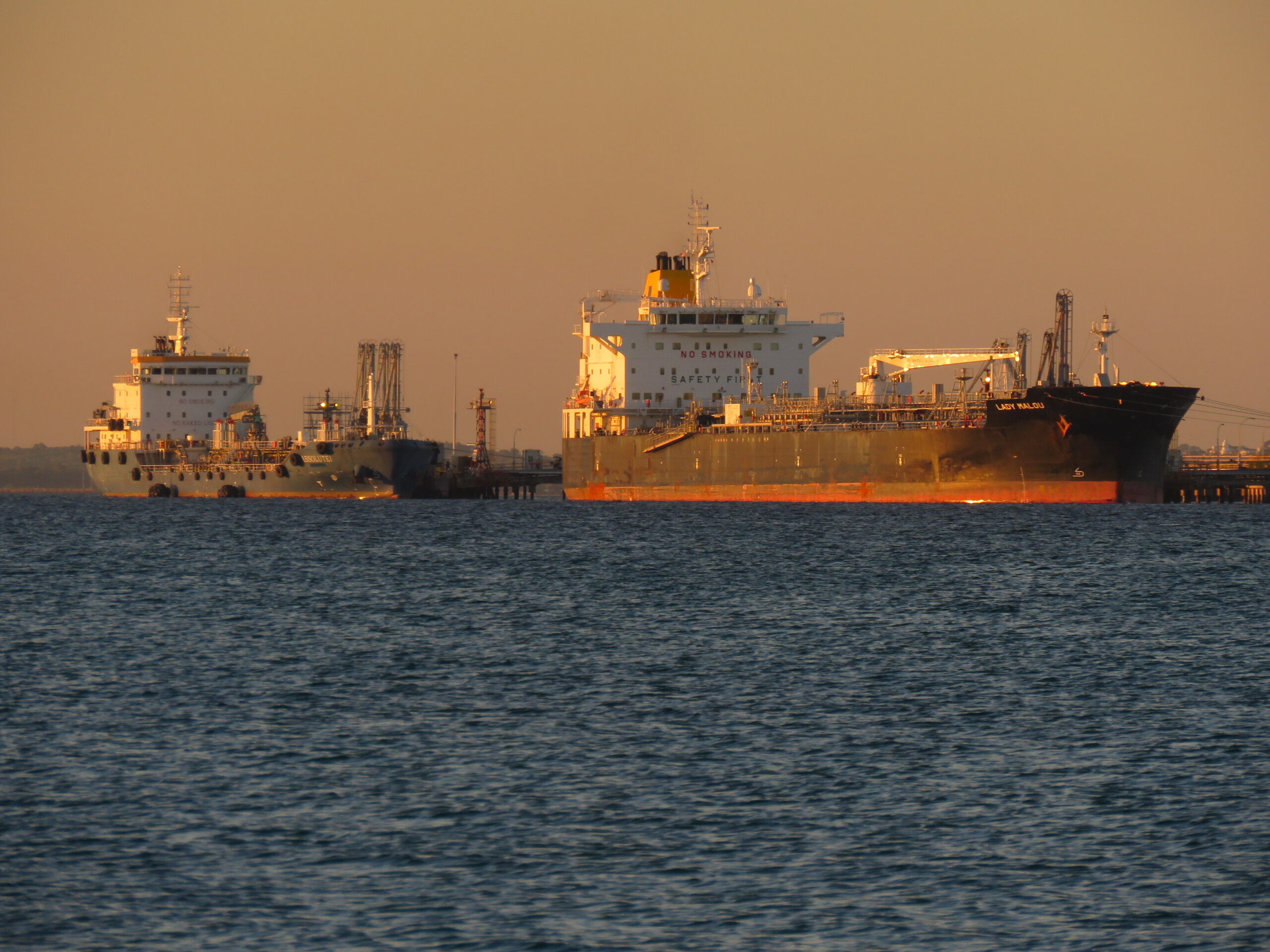
According to the Treasury Department, the sanctioned vessels—Nord Star, Lunar Tide, Rosalind, and Della—are linked to a shadow fleet that supports Maduro’s government. The sanctions are aimed at curbing the financial resources that the U.S. alleges are fueling what it describes as Maduro’s “illegitimate narco-terrorist regime.”
In a statement, Scott Bessent, the Secretary of the Treasury, emphasized the administration’s stance, saying, “We will not allow the illegitimate Maduro regime to profit from exporting oil while it floods the United States with deadly drugs.” He asserted that the Treasury Department will continue to implement a campaign of pressure against Maduro’s regime.
These sanctions mark a significant escalation in the U.S. response to Maduro’s government, which has faced numerous accusations of drug trafficking and evading sanctions. Under these new measures, any U.S. property linked to the designated companies will be blocked, and U.S. entities and individuals are prohibited from engaging with them without prior authorization from OFAC.
The sanctions also include a “spillover” rule, meaning that if a company is more than 50 percent owned by blocked entities, it will be treated as blocked as well. Violations of these regulations could lead to civil or criminal penalties, prompting the Treasury Department to warn that individuals involved in the Venezuelan oil trade face significant risks.
While the U.S. maintains that its actions are justified, members of the international community, including the United Nations, have criticized the sanctions. Some experts have described them as violations of international law, arguing that there is no right to enforce unilateral sanctions through what they characterize as an armed blockade. UN experts referenced Article 2(4) of the UN Charter, stating, “The illegal use of force, and threats to use further force at sea and on land, gravely endanger the human right to life and other rights in Venezuela and the region.”
Despite these criticisms, the Trump administration defends its actions as narrowly tailored to avoid civilian impact, asserting that they do not constitute an illegal act of war. In response, the Venezuelan government has categorically rejected the sanctions, labeling them “illegal” and claiming that the U.S. is using economic pressure to undermine its oil industry and effect political change.
Venezuela’s oil sector is crucial to its economy, being the country’s primary export. By imposing sanctions, the U.S. aims to isolate Venezuela from international markets. As the Venezuelan government contests these designations, and as international observers question the legality of the U.S. maritime enforcement actions, the sanctions are likely to exacerbate the challenges facing Venezuela’s oil exports. Companies and insurers may become increasingly hesitant to engage in trade, tightening economic constraints on a nation already under pressure.
This announcement follows President Donald Trump’s declaration of a blockade on all sanctioned oil tankers associated with Venezuela. The U.S. has accused Maduro and members of his administration of being part of a purported foreign terrorist organization known as the Cartel de los Soles. Although evidence supporting the existence of this cartel remains scant, hostilities have continued, with the U.S. Navy conducting operations against vessels suspected of drug trafficking.
Since early September 2023, the UN has documented at least 30 attacks on civilian vessels in the region, and last month, the U.S. seized an oil tanker off the coast of Venezuela while deploying a substantial naval force in the Caribbean. The ongoing situation presents a complex backdrop, with potential repercussions for regional stability and international relations as the U.S. intensifies its sanctions regime against Venezuela.