UPDATE: New reports reveal that older gay men are increasingly turning to social media to combat chronic loneliness, a situation exacerbated by the ongoing isolation many face. A recent AARP survey indicates that nearly 20% of older adults in the U.S. reported experiencing loneliness frequently, marking the highest level in two years.
The pressing issue of loneliness among LGBTQ+ males is becoming a critical concern, with many individuals reporting a preference for online interactions over in-person gatherings. The survey highlights that older gay men, often facing unique social challenges, are at a heightened risk for chronic loneliness and frequently rely on digital platforms for connection.
According to the 2018 AARP Loneliness and Social Connections Survey, technology serves as a lifeline, allowing these men to socialize and engage with peers. This trend raises urgent questions about the effectiveness of traditional social groups versus online communities. With Facebook hosting numerous groups like Gay Men Over 50 (156,000 members) and Gay Life After 60 (19,800 members), it is clear that these virtual spaces are filling a significant gap in social engagement.
The emotional toll of loneliness is profound, affecting mental and physical health, and often leading to increased rates of depression and premature death. Research shows that social engagement—interacting in physical locations—yields significant mental and physical benefits, yet many older gay men are choosing the digital realm for their social needs.
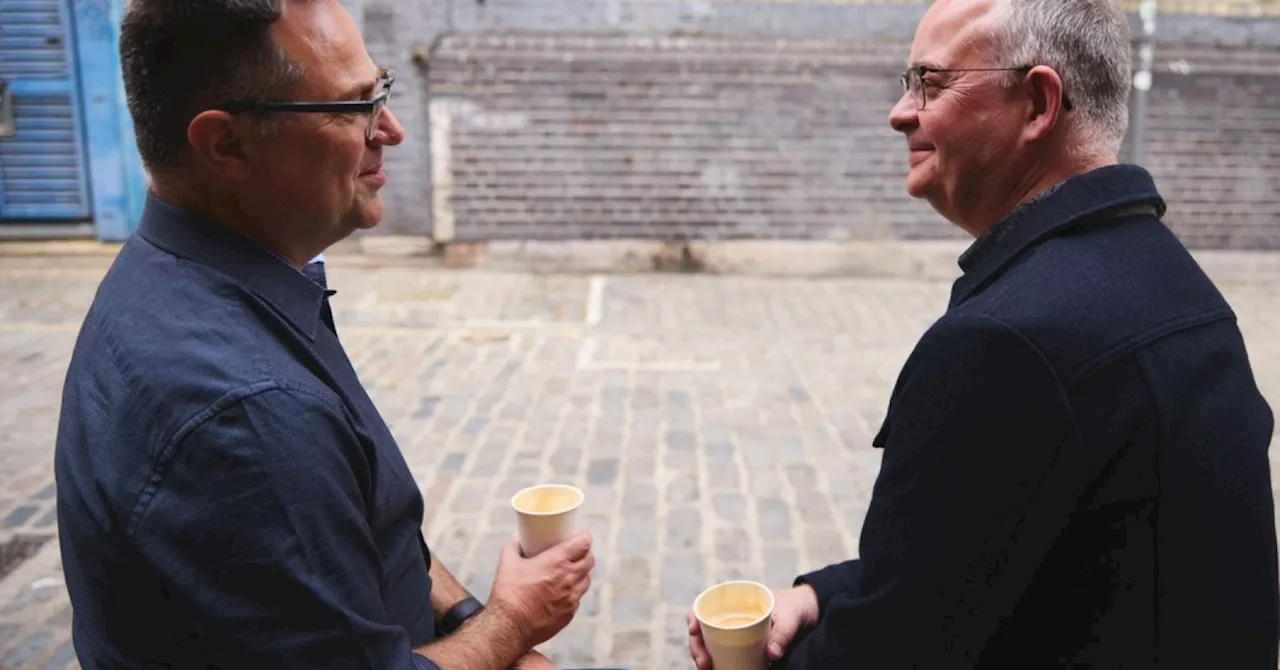
Historically, socializing for older gay men meant gathering in safe spaces, often in homes or bars. However, as seen in the experiences of the founders of Prime Timers in the 1980s, the landscape is shifting. This organization, which emphasizes community and support for older gay men, has chapters across the U.S. and internationally. The recent 30th anniversary celebration of the Greater New Orleans Chapter underscores the importance of these traditional gatherings.
While social media offers a quick solution to loneliness, the question remains: will face-to-face interactions retain their value? Many still find joy and satisfaction in in-person socializing, but the allure of online engagement, especially during times of isolation, cannot be overlooked.
As loneliness becomes an epidemic affecting half of all Americans, the findings from the AARP survey are a wake-up call. Authorities, including the U.S. Surgeon General, have recognized the urgent need for social connection and community to combat this growing crisis. The social landscape for older gay men is evolving, and it is crucial to understand these dynamics to better support their well-being.
Stay tuned for further updates as we explore how communities can adapt to these changing social needs and work to foster connections that combat loneliness effectively.