UPDATE: A federal judge has just dismissed Louisville’s police reform settlement with the U.S. Department of Justice (DOJ), marking a significant setback in efforts to address police misconduct. The ruling, made by U.S. District Judge Benjamin Beaton on December 31, 2023, comes after the DOJ withdrew its support for the plan earlier this year, reflecting a major shift in federal oversight of local law enforcement.
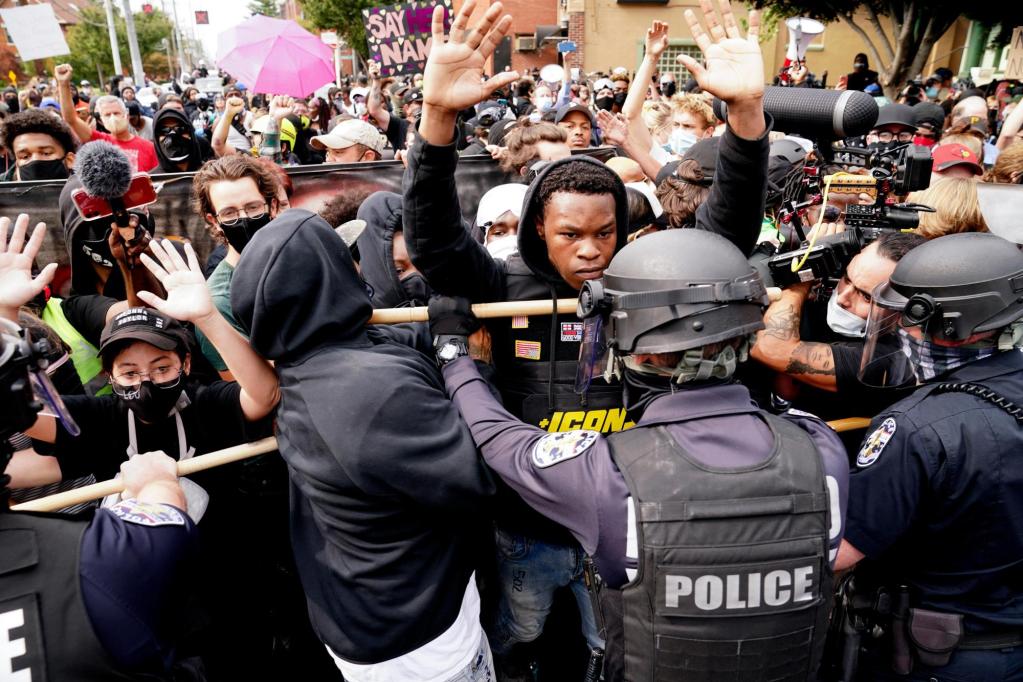
This urgent ruling is critical for Louisville, as it highlights the challenges faced in reforming police practices following the tragic deaths of Breonna Taylor and George Floyd, which ignited nationwide protests in 2020. The DOJ had previously announced plans for consent decrees intended to curb systemic racial bias and excessive force. However, in a surprising turn, the department abandoned these efforts, leading to this latest development.
Judge Beaton’s ruling emphasizes that the responsibility for reforming the Louisville Metro Police Department must rest with the city’s elected officials and the communities they serve. He stated, “the responsibility to lead the Louisville Metro Police Department in compliance with federal law must remain with the city’s elected representatives and the people they serve.” This statement underscores a critical moment where local accountability is brought to the forefront.
The DOJ’s withdrawal from the consent decree process has raised eyebrows, especially after a lengthy investigation that concluded in early 2023. This investigation found that the Louisville Police Department discriminated against Black individuals, utilized excessive force, and conducted searches based on invalid warrants. The new leadership within the DOJ has criticized previous approaches as flawed, indicating a potential shift in federal strategies toward policing.
This dismissal comes on the heels of reforms initiated by the city since Taylor’s death. Notably, Louisville has banned the use of “no-knock” warrants and launched a pilot program to send behavioral health professionals to assist with certain 911 calls. Additionally, the city paid a $12 million settlement to Taylor’s family, acknowledging the tragedy and its impact on the community.
In a related development, former police detective Brett Hankison, involved in the Taylor case, was sentenced to nearly three years in prison for excessive force, a rare accountability moment in police oversight. His conviction, despite efforts by the DOJ to reduce his sentence, signifies growing public demand for accountability in law enforcement.
As this situation develops, the focus now turns to what local leaders will do in the absence of federal oversight. The city is under pressure to implement meaningful reforms independently, without the guidance of a federal monitor, which could significantly impact community relations and policing practices.
Next Steps: The city of Louisville faces a critical juncture as it must navigate these challenges while responding to community demands for justice and reform. Observers will be watching closely to see how local leaders address these urgent issues, especially in light of the ongoing national conversation about police practices and systemic racism.
Stay tuned for more updates on this developing story as Louisville grapples with the implications of the court’s decision and the future of police reforms in the city.