As the new year approaches, many individuals seek ways to mark the occasion with intention and reflection. One creative method is to craft a floral arrangement that embodies the aspirations and sentiments one wishes to carry into the coming months. Rachel Bull, Head of Gardens at Homes & Gardens, shares insights on creating a symbolic arrangement that resonates personally and embraces deeper meanings associated with various flowers.
Understanding Floral Symbolism
Navigating the meanings of flowers can be complex, as interpretations often vary by culture and historical context. For those unfamiliar with the intricacies of the language of flowers, it can be challenging to discern which symbolism to adopt. Bull emphasizes that the most crucial aspect of arranging flowers is ensuring they evoke joy and happiness for the creator. Nonetheless, understanding the traditional symbolism adds an enriching layer to the experience.
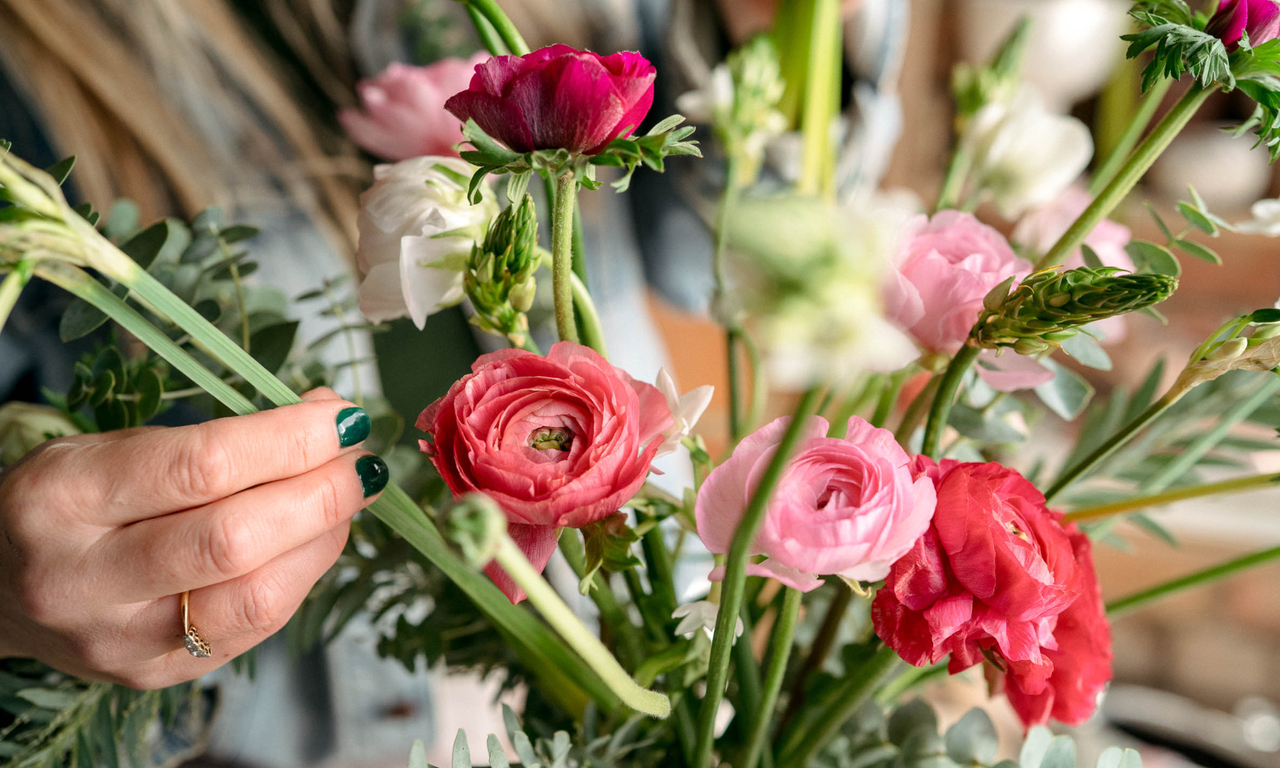
In her recent episode of Petals & Roots, Bull demonstrates a simple yet impactful vase design, utilizing flowers such as anemones, star of Bethlehem, ranunculus, narcissus, privet berries, eucalyptus ‘baby blue’, and acacia. Each flower was selected to reflect themes of hope, rejuvenation, and joy—sentiments Bull wishes to embody as she enters 2026.
Step-by-Step Floral Arrangement
To begin the arrangement, Bull suggests using foliage to establish a base. She chose eucalyptus for its refreshing scent and its association with healing, which she finds particularly significant as the new year begins.
Adding to the arrangement, Bull included star of Bethlehem, known scientifically as Ornithogalum. In the Victorian language of flowers, this bloom symbolizes hope, innocence, and purity. Its conical stems gradually reveal white star-shaped flowers, which historically have represented guidance—a fitting sentiment for starting a new year.
Another striking addition is the anemone, cherished for its bold black centers and delicate petals. The white anemone is linked to sincerity, while its broader Victorian symbolism encompasses love. Notably, anemones are known to close at night and reopen with daylight, symbolizing anticipation and the excitement of new beginnings.
Bull also incorporated ranunculus, a favorite of hers due to its multi-layered blooms. These flowers traditionally represent charm and joy, infusing the arrangement with a sense of cheer and brightness. Their vibrant presence is sure to uplift anyone who views the arrangement.
Narcissus, or daffodils, were chosen for their rich history and symbolism. Originating from Greek mythology, these flowers remind us of the dangers of self-obsession. They are often associated with renewal and new beginnings, making them an ideal choice for the start of a new year. In some cultures, narcissus symbolizes good fortune and prosperity, enhancing their significance in the arrangement.
Concluding the design, Bull added black privet berries, which not only complement the anemones visually but are also believed to symbolize protection. Interpretations of their meaning can vary, adding yet another layer of depth to the arrangement.
For those interested in exploring the meanings behind floral symbolism further, Bull recommends Shane Connolly’s book, *Discovering the Meaning of Flowers*, available from various retailers.
As people prepare to welcome the new year, creating a floral arrangement can serve as a meaningful ritual. By incorporating flowers that resonate personally and carry significant symbolism, individuals can reflect on their hopes and intentions for the year ahead. Bull’s insights and step-by-step guidance make this creative endeavor accessible and enjoyable for anyone wishing to celebrate the arrival of 2026 with purpose and joy.