Baltimore County has received over $29 million from various opioid settlements aimed at addressing the ongoing opioid crisis. This funding, allocated as part of the county’s opioid abatement strategy, seeks to enhance addiction treatment services and support harm reduction efforts.
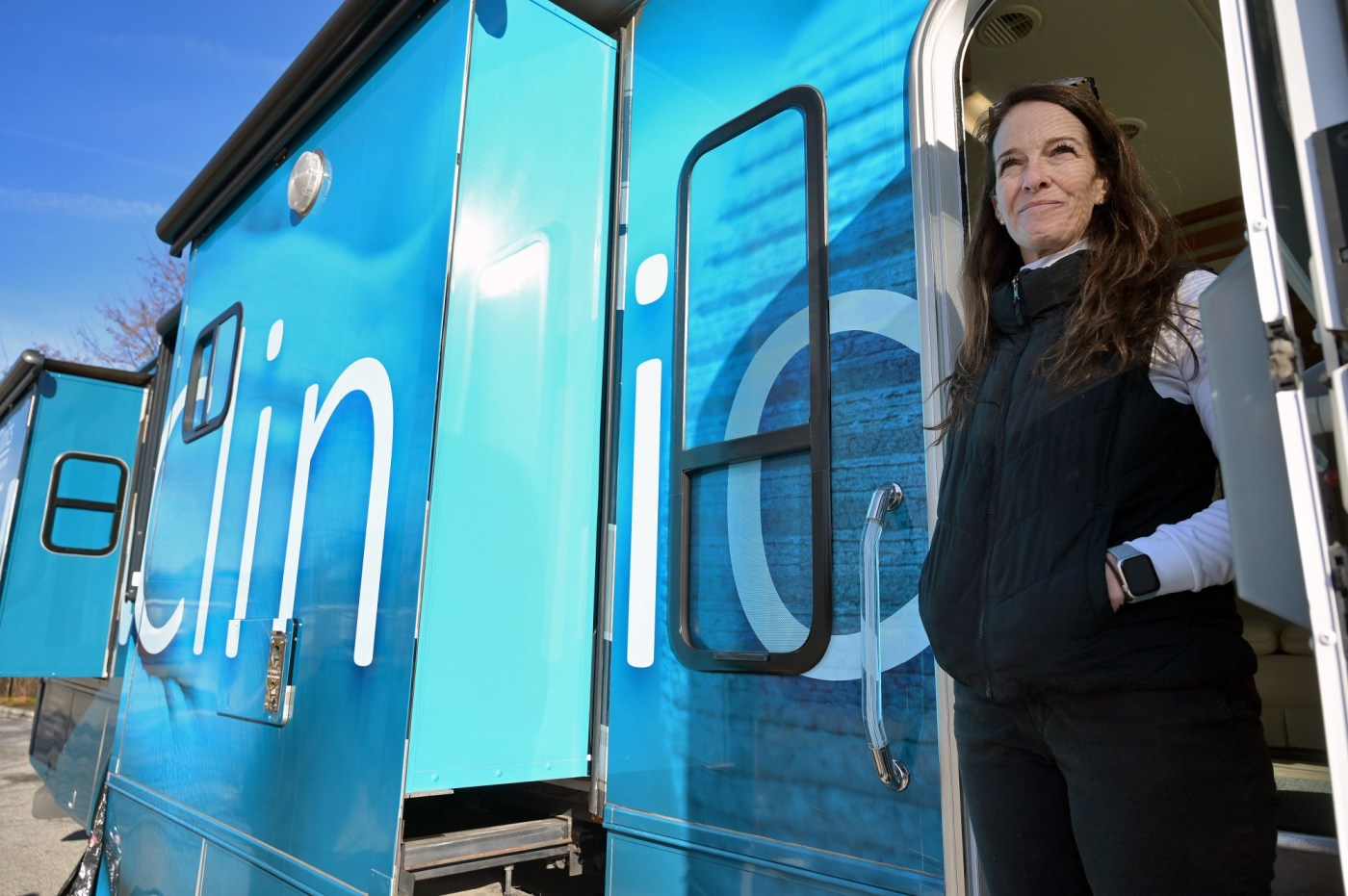
As part of this initiative, MATClinics, co-founded by Lauren Reck, has expanded its services to include a mobile treatment unit. This 35-foot RV, funded by a $200,000 grant from the county’s opioid abatement fund, travels to locations throughout the county, including the Westside Men’s Shelter and local libraries, to provide accessible care to those in need. Since its launch in February 2023, the mobile unit has aimed to overcome barriers that some patients face in accessing traditional in-person care.
Elise Andrews, Baltimore County’s opioid strategy coordinator, emphasized the county’s commitment to ensuring the sustainability of funded programs. “The last thing we want to do is start a bunch of initiatives that then, all of a sudden, we’re going to have to tell them to stop,” Andrews stated. This approach aims to build trust and reliability in services essential for individuals battling addiction.
The opioid crisis has severely impacted Baltimore County, with overdose deaths rising dramatically in recent years. Data from the Maryland Department of Health indicated that from 2014 to 2018, opioid-related overdoses doubled before seeing a slight decrease in 2019, only to rise again in 2020. As Andrews noted, the COVID-19 pandemic further exacerbated the situation, with many individuals losing access to their treatment options during that time.
Through these settlement funds, Baltimore County has directed resources to various programs, including the distribution of naloxone, a life-saving medication that can reverse opioid overdoses. Specific allocations include funding for the Baltimore County Detention Center’s opioid use disorder program, ensuring that incarcerated individuals have access to FDA-approved medications.
The county’s efforts also extend to supporting mental health services. Much of the initial funding has been directed towards programs that integrate substance use disorder treatment with mental health care. For instance, a centralized provider now offers comprehensive services for participants in the Baltimore County Circuit Court’s drug treatment court program.
Baltimore County has also initiated a grant program, setting aside $1 million to support community-based opioid remediation projects. This program emphasizes harm reduction and access to medication for opioid use disorder, particularly for vulnerable populations such as pregnant women or those experiencing homelessness. The Daniel Carl Torsch Foundation, founded in memory of a young man who died from a drug overdose, received close to $184,000 to operate a mobile unit that provides case management services and essential supplies.
Despite these advancements, challenges remain. Stigma surrounding addiction continues to hinder individuals from seeking help. Toni Torsch, co-founder of the Daniel Carl Torsch Foundation, highlighted the importance of compassionate outreach, stating, “We’re bringing services to them … no judgment — the only thing that we pack is a lot of compassion and services.”
In addition to mobile services, health care organizations like MedStar Franklin Square Medical Center are enhancing their support for pregnant women and new mothers with opioid use disorder. The center has received nearly $250,000 to create a recovery health navigator position and develop treatment protocols for its OB-GYN practices. “What we are doing is working to make sure that that stigma is reduced across the health continuum,” said Lucas Carlson, an emergency medicine physician at MedStar.
Efforts to bolster in-person care are also evident among local health providers. For example, Chase Brexton expanded its STEP (Substance Use Treatment Enhancement Program) Clinic with over $214,000 in opioid grant funding. This clinic aims to provide flexible and supportive treatment options for individuals balancing recovery with daily responsibilities.
The funds from the opioid settlements represent a critical opportunity for Baltimore County to address the devastating impact of the opioid crisis. As the county continues to allocate these resources thoughtfully, officials remain committed to developing sustainable programs that can effectively serve the community and reduce overdose rates.
With overdose deaths in Baltimore County decreasing from 361 in 2021 to 179 in 2024, according to state data, there is hope that these initiatives will foster long-term change and support recovery for those affected by addiction.