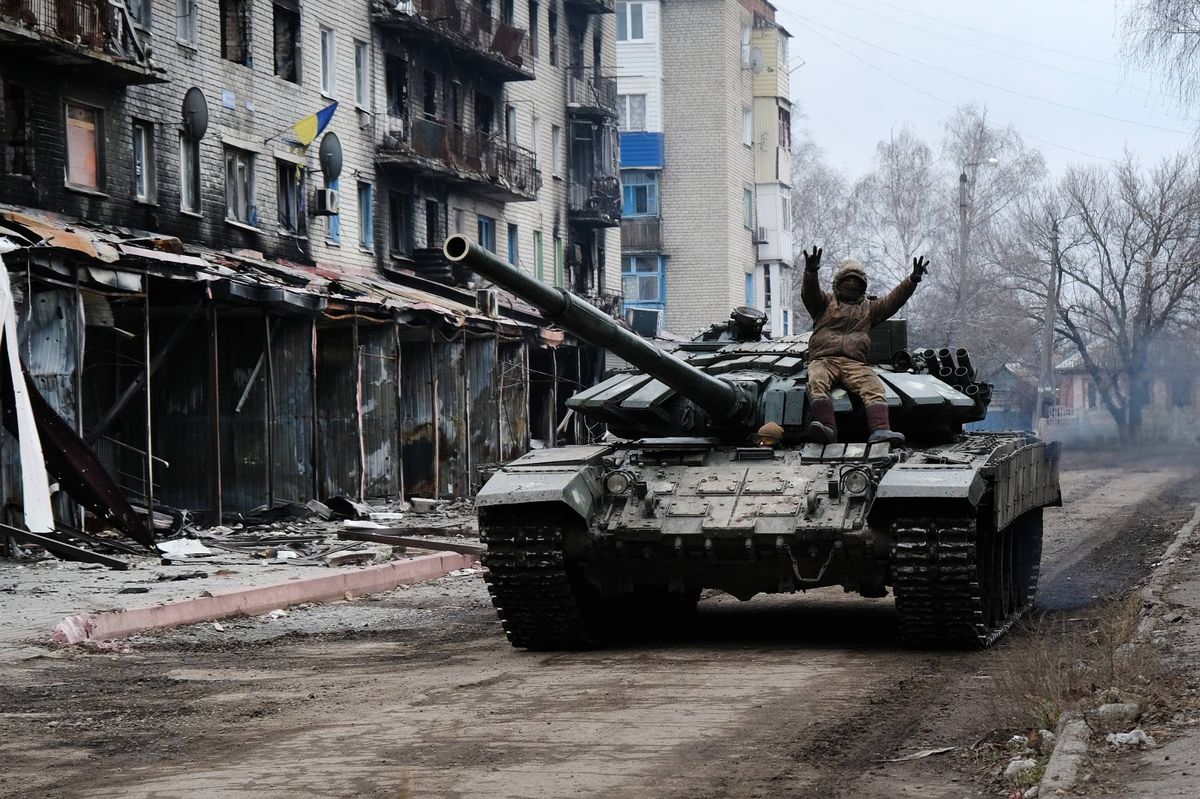
Russian President Vladimir Putin has instructed his military to intensify operations in Ukraine, directing forces to seize additional territories in the eastern regions of Sumy and Kharkiv. This escalation undermines former US President Donald Trump’s recent peace proposal aimed at resolving the ongoing conflict. The announcement was made by General Valery Gerasimov, Russia’s top military official, during a visit to a front-line command center on December 30, 2026.
According to Gerasimov, Russian troops have successfully captured over 700 square kilometers (approximately 270 square miles) of territory in December alone, marking a significant increase in offensive operations. “The troops of the joint grouping are confidently advancing deeper into the enemy’s defenses,” Gerasimov stated, emphasizing the intent to create a “security buffer” around areas of interest, particularly in the border regions adjacent to Belgorod and Kursk in Russia.
Putin’s directive reportedly follows allegations of a Ukrainian drone strike on his Valdai palace, a claim widely dismissed as unsubstantiated. American officials, including NATO ambassador Matthew Whitaker, expressed skepticism about the validity of these claims, suggesting they may be fabricated. Whitaker noted, “It is unclear whether it actually happened,” and speculated that Ukraine would not engage in actions detrimental to peace talks.
Ukrainian President Volodymyr Zelensky categorically denied the allegations, labeling them a “hoax” intended to distract from peace negotiations. He emphasized the need for dialogue, stating, “All we should strive for is peace.” Furthermore, reports from railway employees indicated no signs of air defense systems being activated, casting doubt on the legitimacy of the reported attack.
As the conflict escalates, Russian forces have intensified their attacks on Ukrainian civilian infrastructure. The city of Odesa suffered significant damage during nighttime strikes, leaving many residents without heating and electricity amid harsh winter conditions. Tragically, a seven-month-old infant and two other children, aged eight and 14, were confirmed among the casualties of these devastating drone attacks. Local MP Oleksiy Goncharenko described the situation as “a disaster,” highlighting the dire need for humanitarian assistance.
Civilians in other areas, including Bila Tserkva in the Kyiv region, also faced injuries as residential buildings were struck. In a notable counter-operation, Ukraine has conducted a record number of strikes on Russian energy facilities throughout December, targeting what are perceived as military assets. A recent strike ignited a strategic oil plant in Tuapse, located in the Krasnodar region, while a gas pipeline and dock in a Black Sea port were also affected.
As the situation develops, the international community watches closely, with the potential for diplomatic efforts being overshadowed by ongoing military actions. The ramifications of Putin’s directives and the responses from Ukraine may significantly influence the trajectory of peace negotiations in the coming months.