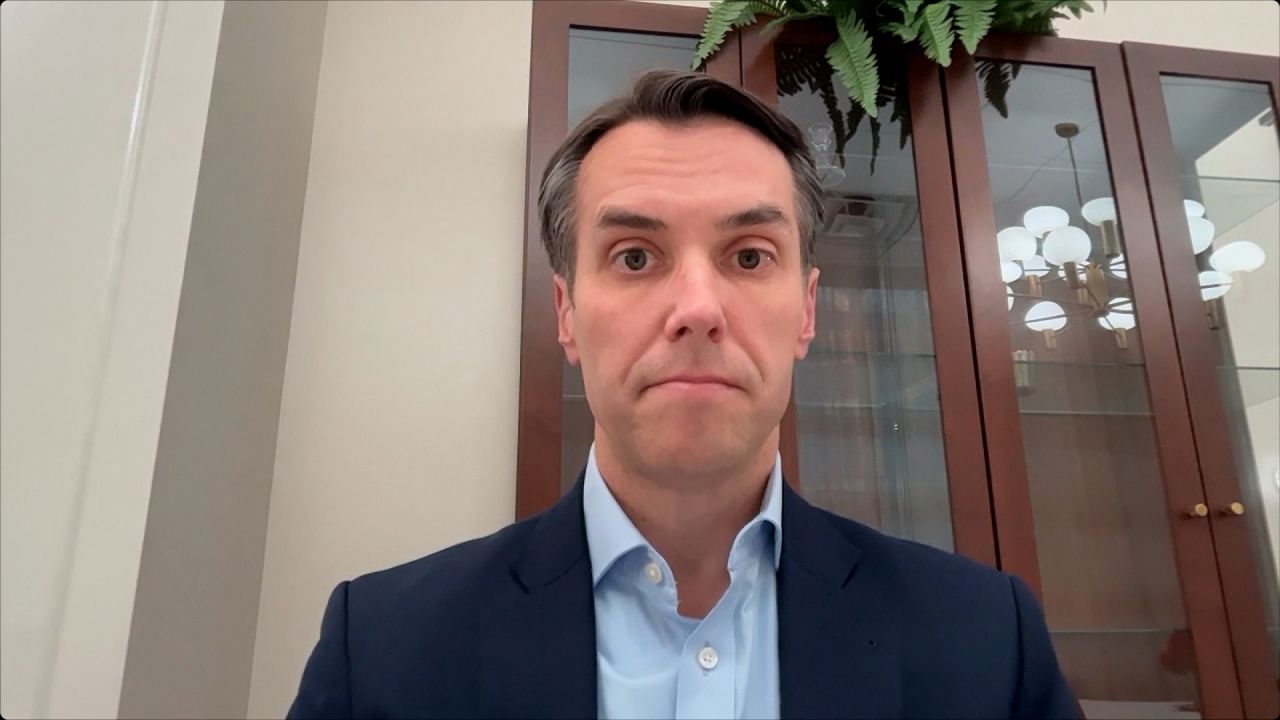
Production at Jim Beam, the renowned bourbon distillery based in Kentucky, is set to pause as the company grapples with the financial implications of tariffs imposed during the previous administration. Democratic Representative Morgan McGarvey has publicly attributed this decision to the ongoing impact of these tariffs, which he argues have placed undue strain on American manufacturers.
During an interview on October 10, 2023, McGarvey highlighted the challenges faced by local businesses in maintaining profitability. “The tariffs on steel and aluminum have increased production costs significantly,” he stated, emphasizing that this situation is not isolated. McGarvey’s comments reflect broader concerns regarding the economic environment for Kentucky’s bourbon industry, which relies heavily on both domestic and international markets.
The decision by Jim Beam to pause production is particularly significant given the brand’s status as a leader in the bourbon market. As one of the largest distillers in the world, Jim Beam’s operations have a substantial influence on both the local economy and the broader spirits industry. The pause underscores the vulnerabilities that even established brands face in the face of fluctuating trade policies.
In recent years, tariffs have been a contentious issue in American politics, especially under former President Donald Trump. His administration implemented various tariffs aimed at protecting American industries, but critics argue that these measures have often led to increased costs for consumers and businesses alike. McGarvey’s remarks serve to amplify calls for a reassessment of such policies.
The impact of these tariffs on Jim Beam is not just a business concern; it resonates with local workers and communities who depend on the distillery for their livelihoods. With a significant portion of the workforce engaged in production and distribution, any disruption in operations can have far-reaching consequences.
As the pause in production unfolds, industry analysts will be watching closely to assess the long-term effects on Jim Beam and the Kentucky bourbon sector. The situation serves as a reminder of the intricate connections between trade policy and local economies, highlighting the challenges that arise when global dynamics intersect with regional interests.
Looking ahead, it remains crucial for lawmakers, including McGarvey, to advocate for policies that support American manufacturers while considering the implications of international trade agreements. The future of Kentucky’s bourbon industry may well depend on how these challenges are addressed in the coming months.