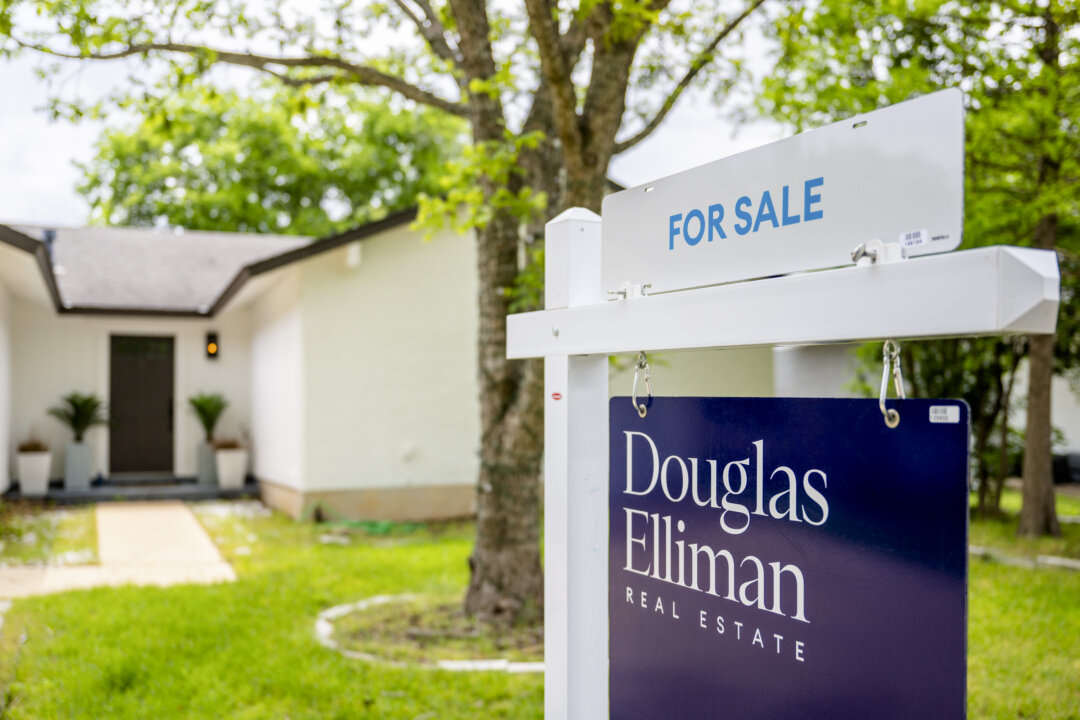
Prospective homeowners in the United States are now spending an average of seven years to save for a down payment on a house, as outlined in a report released on December 29, 2025, by Realtor.com. This duration, while shorter than the twelve years reported in 2022, still represents a significant increase compared to the pre-pandemic norm.
According to the report, several factors contribute to the extended saving period. Danielle Hale, chief economist at Realtor.com, noted that “higher home prices and intensified competition have pushed typical down payments higher, at the same time that inflation and rising household expenses have reduced savings rates.”
Changing Landscape for Homebuyers
The report underscores the ongoing challenges faced by potential homebuyers. Although conditions have improved since 2022, the time required to save for a down payment remains considerably longer than it was prior to the pandemic. In high-cost markets, where housing prices are particularly steep, the timeline for saving can be even more daunting.
Home prices have surged in recent years, driven by a combination of demand and limited inventory. This has made it increasingly difficult for first-time buyers, who often struggle to gather the necessary funds for a down payment. With average home prices continuing to rise, many buyers are finding themselves in a prolonged waiting period.
Aside from escalating prices, inflation has also played a critical role in shaping the financial landscape for prospective homeowners. Rising costs of everyday living have led to diminished savings rates, making it harder for individuals to set aside money for a future home purchase.
Future Implications for Homeownership
The implications of these trends are significant. For many, the dream of homeownership seems to drift further away, particularly for younger generations who may be looking to enter the market. The extended timeline for saving can lead to increased frustration and uncertainty, as potential buyers weigh their options in a competitive market.
Real estate experts warn that without substantial intervention to address housing supply and affordability, the challenge of saving for a down payment may persist. As the market evolves, both policymakers and industry leaders will need to consider strategies to ease the financial burden on aspiring homeowners.
In summary, while the average time to save for a down payment has decreased since 2022, it remains alarmingly high at seven years. The ongoing pressures of inflation and rising housing costs continue to pose significant obstacles for many would-be buyers, particularly in high-cost areas. As the situation develops, the future of homeownership in the United States remains uncertain.