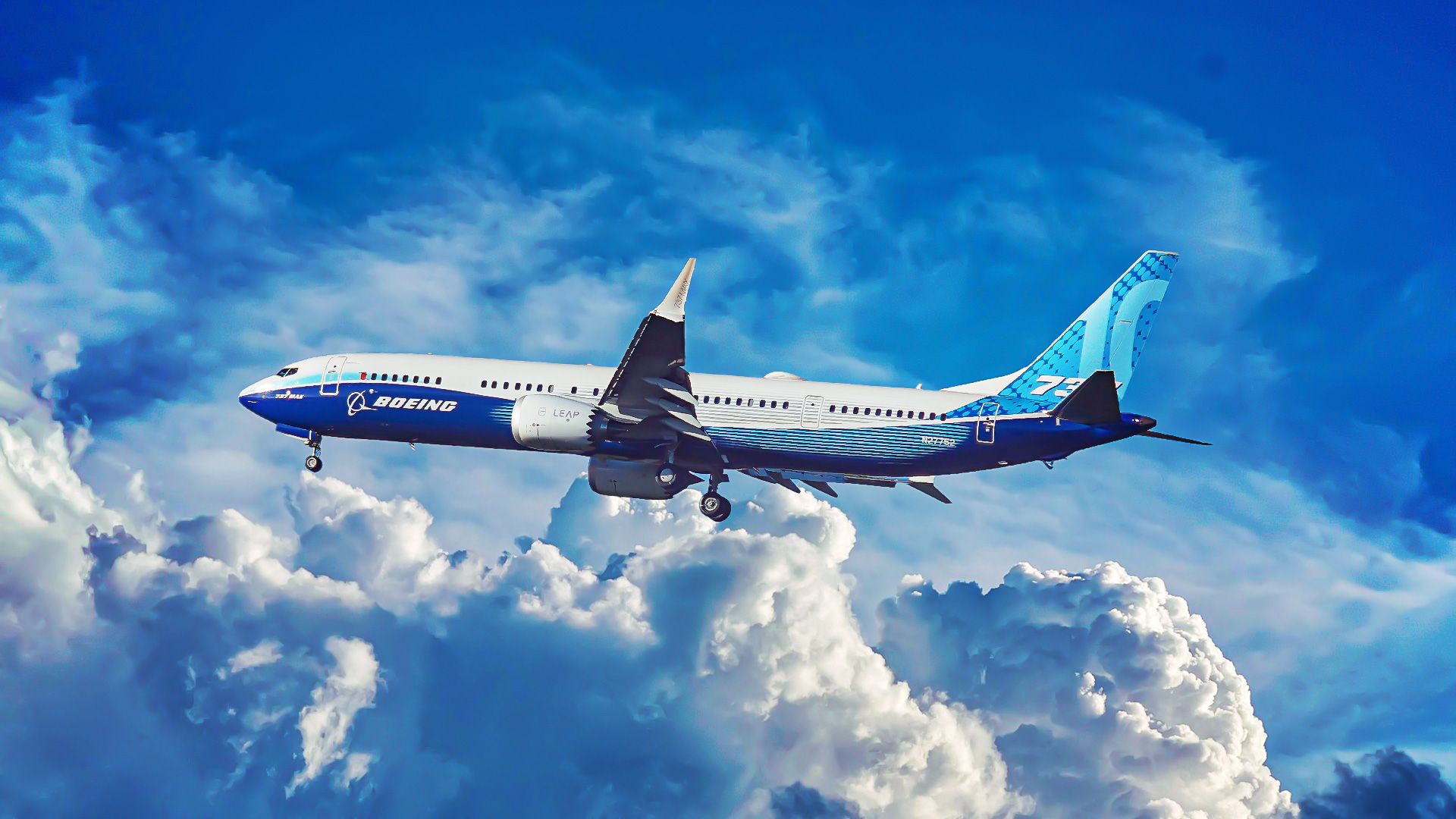
Boeing’s 737 MAX 10 has been positioned as a potential leader in profitability among large single-aisle aircraft. The company promotes the MAX 10 as a solution for airlines facing rising fuel prices and operational costs. Despite this enticing narrative, the aircraft is still awaiting certification, leaving its profitability unproven.
Airlines are eager for aircraft that promise economic advantages, particularly in a competitive landscape where every dollar counts. The 737 MAX 10 is marketed as having the lowest seat-mile costs in its category, but without real-world data, these claims remain speculative. Current profitability assessments rely on theoretical models rather than operational performance, which introduces significant uncertainty.
Uncertain Profitability and Market Comparisons
Boeing’s assertions about the MAX 10’s profitability hinge on factors such as seating capacity and trip-cost efficiency. The aircraft can accommodate approximately 220 to 230 passengers in high-density configurations, allowing airlines to spread fixed costs over more seats. While this is advantageous, it must be balanced against the aircraft’s limitations, including a shorter range compared to competitors like the Airbus A321neo, which can cover 3,500 nautical miles.
Many airlines, including United Airlines, view the MAX 10 as a tool for reducing costs on high-demand routes rather than a guaranteed profit generator. This perspective is crucial, as it underscores that while the MAX 10 may enable better economic performance, it does not automatically translate to higher profits across all operations.
Airbus has already established a strong foothold with the A321neo family, which has proven its profitability through extensive operational use. This aircraft’s flexibility allows it to serve diverse route structures, from high-density domestic flights to longer international missions. In contrast, the MAX 10 is still theoretical, and its delayed entry into service has raised concerns about its competitiveness.
The Road Ahead for Boeing
Boeing faces several challenges that could impact the future success of the MAX 10. Certification delays have postponed its expected entry into service by nearly seven years, complicating fleet planning for airlines that have made commitments to the aircraft. Each delay not only affects revenue generation but also allows competitors to solidify their market presence.
The profitability narrative surrounding the MAX 10 also depends on industry conditions. In a strong market with high demand, the aircraft may perform very well. However, during downturns, filling a high-capacity aircraft consistently can become problematic. Thus, while the MAX 10 may have advantages in specific scenarios, its success is not guaranteed in fluctuating market conditions.
In summary, the claim that the 737 MAX 10 is the world’s most profitable large single-aisle aircraft is currently unsubstantiated. Boeing’s argument is grounded in sound economic principles, particularly for high-density, short-haul operations. Yet, until the aircraft is certified and operational, any assertions about its profitability remain theoretical. For airlines, the MAX 10 could prove to be a valuable asset, but it must first demonstrate its capabilities in real-world environments to earn a definitive title in the industry.