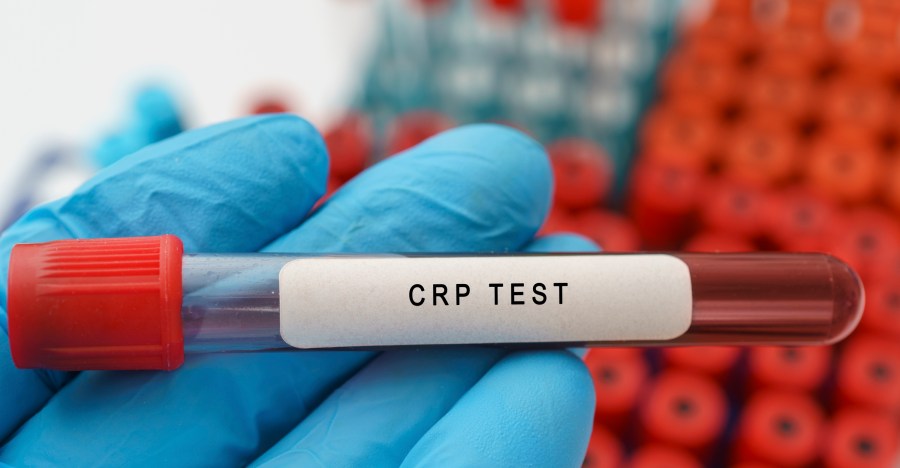
URGENT UPDATE: New research has revealed that C-reactive protein (CRP) now surpasses ‘bad’ cholesterol as the primary indicator for assessing the risk of heart disease. This groundbreaking finding, which challenges decades of traditional cardiovascular health assessment, was just announced by leading researchers in the field.
Heart disease remains the leading cause of death in the United States, with over 697,000 fatalities recorded in 2020 alone. Since the 1950s, cholesterol levels have been the gold standard in evaluating heart health, but accumulating data suggests that CRP, a marker of inflammation in the body, may provide a more accurate reflection of cardiovascular risk.
The implications of this research are profound, especially as health officials encourage routine blood tests to determine CRP levels alongside traditional cholesterol assessments. The American Heart Association is now urging practitioners to reconsider their diagnostic approaches in light of these findings.
Researchers conducted a comprehensive analysis involving thousands of participants, revealing that elevated CRP levels correlate more strongly with heart attack and stroke risk than previously understood cholesterol metrics. This shift in understanding could change how healthcare providers across the country screen for heart disease, potentially leading to earlier interventions and saving countless lives.
In a statement, a lead researcher stated,
“These findings are a wake-up call for both doctors and patients. Monitoring C-reactive protein could be key in preventing heart disease, especially in those who may have normal cholesterol levels but are still at risk.”
As the healthcare community digests these developments, patients are encouraged to consult their doctors about comprehensive blood tests that include CRP measurements. This news is particularly critical for individuals with a family history of heart disease or other risk factors.
What happens next? Health professionals will likely begin implementing these recommendations in clinical settings, and patients may see changes in routine screenings as early as next month. The urgency of this change cannot be overstated, as millions may benefit from enhanced risk assessment and tailored prevention strategies.
Stay tuned for updates as this story develops and more research is published. The shift towards recognizing CRP as a leading marker in heart disease could reshape public health policies and personal health strategies for years to come.