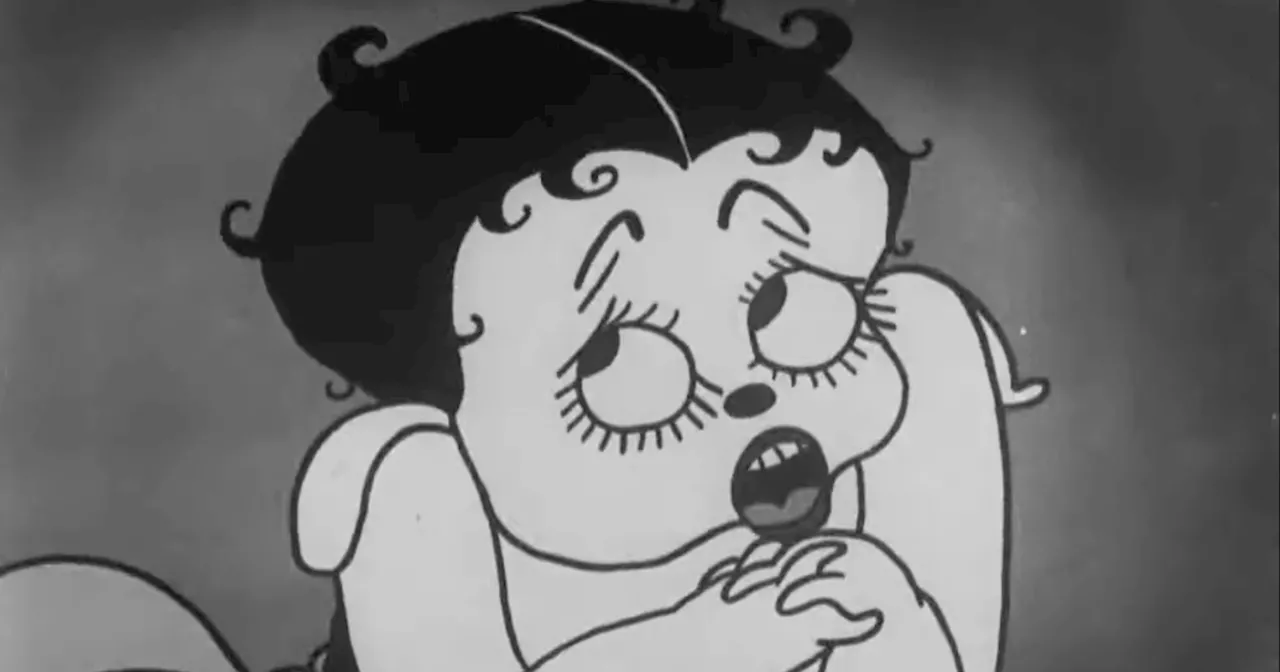
The copyright for a vast array of creative works from the year 1930 will expire at midnight on January 1, 2026, allowing thousands of films, books, and musical compositions to enter the public domain. This significant change means that creators will be free to use, share, and adapt these works without seeking permission or paying royalties.
This year’s notable entries include iconic characters like the original Betty Boop, whose distinctive hoop earrings were initially designed as floppy dog ears. The first rendition of Disney’s Pluto, originally named Rover, will also become publicly accessible. According to Jennifer Jenkins, the director of the Duke University Law School’s Center for the Study of the Public Domain, these works not only represent important cultural artifacts but also offer a unique opportunity to explore the history of animation studios such as Fleischer and Disney.
Celebrating a Rich Cinematic Legacy
The upcoming public domain entries encompass a diverse selection of films, spanning genres from war stories and musicals to thrillers and comedies. Renowned directors such as Alfred Hitchcock, Howard Hughes, and Salvador Dalí are among those whose works will soon be free to the public. This rich selection includes memorable musical compositions like “Georgia on My Mind” and “Dream a Little Dream of Me,” as well as timeless songs by the Gershwin brothers, including “I Got Rhythm” and “Embraceable You.”
Visual arts will also be represented, featuring works like Piet Mondrian’s “Composition with Red, Blue and Yellow” and the Jules Rimet Cup designed by Abel Lafleur. Jenkins noted that her team dedicated over 80 hours to meticulously sift through archives to compile this year’s list, emphasizing the value of public domain in fostering creativity and accessibility.
Impact on Creativity and Accessibility
The expiration of these copyrights is anticipated to have a positive effect on both creators and consumers. Jenkins explained that anyone with skills in choreography or songwriting can now create their own interpretations of characters like Betty Boop without the need for permissions that were previously necessary. This newfound freedom encourages artistic innovation.
“Public domain isn’t just good news for those who want to create art, but also for those who simply want to consume it,” Jenkins said.
This transition is particularly crucial for educational institutions where resources are often limited. Many works from the 1930s have been out of print for decades, and ownership disputes have hindered their availability online. Jenkins highlighted that when these works enter the public domain, educators can access them freely, enriching learning environments.
Moreover, the ability for third parties to digitize old films and recordings will facilitate their preservation and wider distribution. As Jenkins pointed out, this is especially beneficial for teachers who are facing shrinking budgets, allowing them to utilize these historical resources at no cost.
The upcoming shift into the public domain underscores the human connection inherent in these works, created by individuals grappling with the aftermath of global events like World War I. As Jenkins succinctly stated, “Human authorship is a requisite for copyright.” Therefore, works generated by artificial intelligence would not enjoy the same protections.
With the expiration of these copyrights, the cultural landscape is set to undergo a transformation that celebrates creativity while preserving history. As January 2026 approaches, anticipation builds around the opportunities that will arise from this influx of classic works into the public domain.