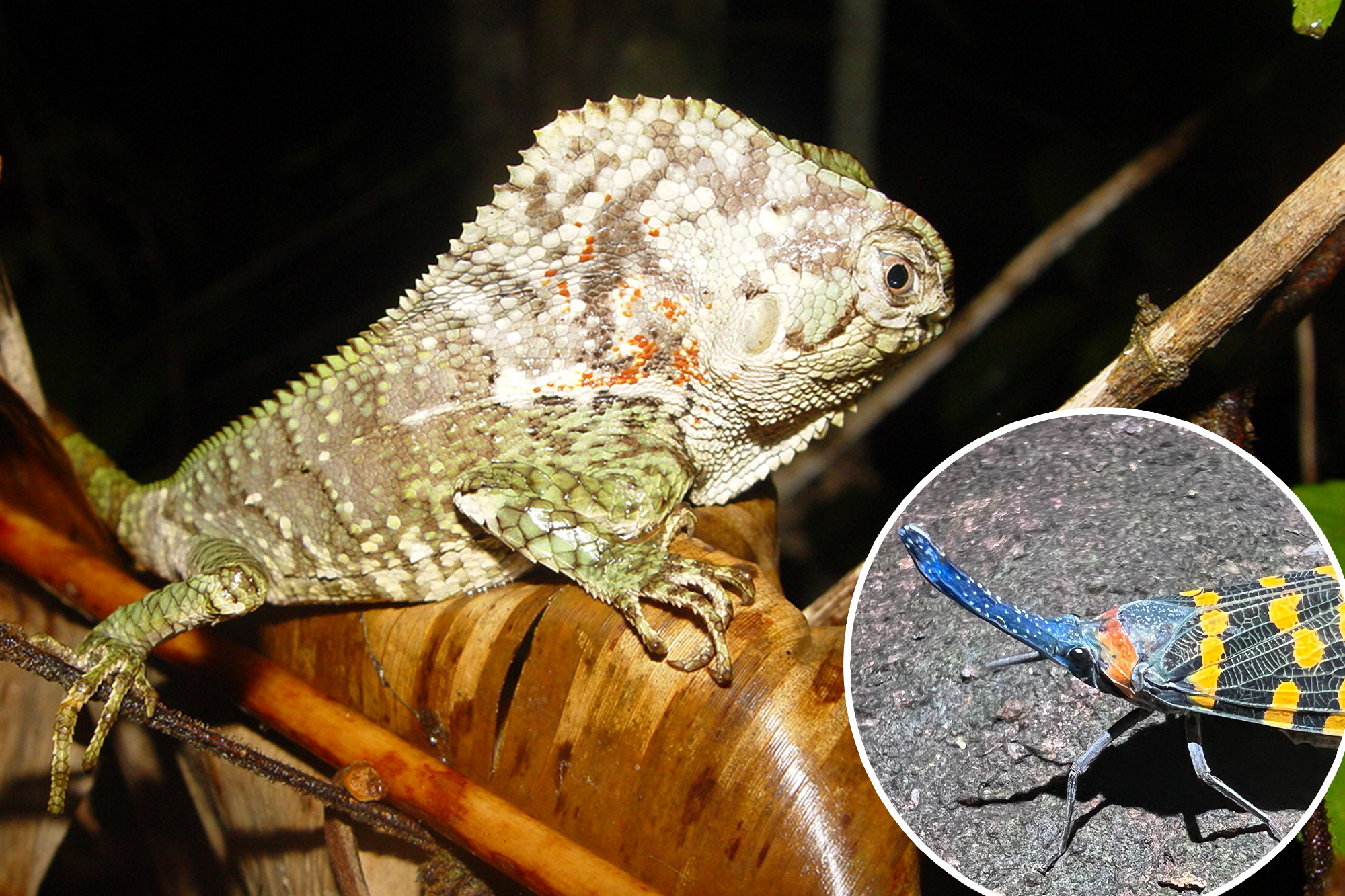
A recent study led by scientists at the University of Arizona indicates that new species are being discovered at an unprecedented pace, exceeding 16,000 annually. This finding reveals a rich biodiversity that may be considerably greater than previously understood, particularly among groups such as plants, fungi, arachnids, fish, and amphibians.
The research, published in the journal Science Advances, highlights a significant trend: approximately 15% of all known species have been identified in the last two decades alone. Professor John Wiens, the study’s senior author, emphasized that the discovery rate contradicts the notion that we are nearing the limit of new species to be found. “In fact, we’re finding new species at a faster rate than ever before,” he stated.
Unprecedented Discovery Rates
The Arizona team analyzed taxonomic histories of about two million species, covering various living organisms. Between 2015 and 2020, researchers documented an average of more than 16,000 new species each year, which includes over 10,000 animals, predominantly arthropods and insects, along with 2,500 plants and 2,000 fungi.
This surge in discovery is noteworthy when compared to extinction rates, which the researchers estimate to be around 10 species per year. “Our good news is that this rate of new species discovery far outpaces the rate of species extinctions,” said Professor Wiens. Notably, these findings encompass a wide range of organisms, from microscopic entities to larger vertebrates.
The researchers also made projections about future discoveries. They estimate there could be as many as 115,000 fish species and 41,000 amphibian species. Currently, only around 42,000 fish and 9,000 amphibian species have been described. Furthermore, they anticipate that the total number of plant species could exceed 500,000.
The Importance of Discovering New Species
Professor Wiens referred to the famous ecologist Robert May when discussing the unknown biodiversity on Earth. “Right now, we know of about 2.5 million species, but the true number may be in the tens or hundreds of millions or even the low billions,” he noted.
The discovery rate of new species is likely to continue increasing. Currently, scientists have identified around 1.1 million insect species, but estimates suggest the actual number may be closer to six million, with some projections reaching up to 20 million. As molecular tools improve, the potential to uncover even more cryptic species—those identifiable only through genetic analysis—will increase.
Professor Wiens pointed out that documenting new species is crucial for conservation efforts. “We can’t safeguard a species from extinction if we don’t know it exists,” he explained. The identification of new species also has implications for medicine and technology. Natural products derived from various organisms, such as weight-loss drugs inspired by hormones found in Gila monsters, demonstrate the potential benefits of biodiversity.
Beyond medical applications, many species possess unique adaptations that could inspire innovative human inventions. For instance, the “super-clinging” feet of geckos are being studied for materials that mimic their climbing abilities. “We’re still just scratching the surface of what these species can do for humanity,” said Professor Wiens.
The research team plans to map the geographical distribution of newly discovered species to identify biodiversity “hotspots.” Despite the significant progress made since Carl Linnaeus‘s efforts to classify organisms over 300 years ago, the fact that 15% of all known species have been identified in just the past twenty years underscores how much remains to be learned. Each new discovery is a step closer to comprehensively understanding and protecting the rich tapestry of life on our planet.