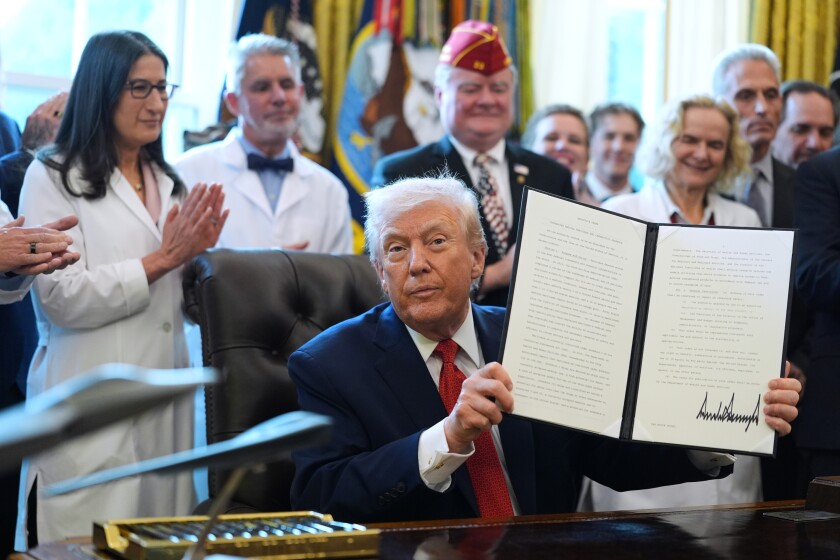
President Donald Trump has mandated a significant reclassification of marijuana, shifting it from Schedule I to Schedule III under the Controlled Substances Act. This decision, announced on May 1, 2024, acknowledges the potential medical benefits of marijuana, which has been classified among the most dangerous substances for over 50 years.
The reclassification means that marijuana will no longer be grouped with drugs like heroin and LSD, which are deemed to have no accepted medical applications. Instead, it will join Schedule III substances, which include prescription medications such as ketamine and anabolic steroids. Although this change does not legalize marijuana, it suggests a shift in how the federal government views its risks and benefits.
The history of marijuana’s classification is steeped in controversy. Nearly four decades ago, Francis Young, the former chief administrative law judge at the Drug Enforcement Administration (DEA), argued against marijuana’s Schedule I status. His conclusion, that marijuana is among “the safest therapeutically active substances known to man,” was ultimately overturned by then-DEA Administrator John Lawn. Young’s findings indicated that marijuana had recognized medical uses, particularly for conditions like chemotherapy-induced nausea and multiple sclerosis.
For years, the DEA has dismissed numerous petitions to reconsider marijuana’s classification. However, a recent review by the U.S. Department of Health and Human Services (HHS), initiated by President Joe Biden, found “credible scientific support” for marijuana’s therapeutic applications. HHS cited its effectiveness in treating pain, nausea, and conditions leading to anorexia, which contributed to its recommendation to move marijuana to Schedule III.
In its report, HHS noted that the majority of marijuana users do so without experiencing serious negative outcomes. It concluded that the potential hazards associated with marijuana do not justify its continued placement in Schedule I. The department further emphasized that while marijuana has a high prevalence of abuse, its profile does not align with substances that pose the same level of serious risks.
In May 2024, then-Attorney General Merrick Garland accepted HHS’s recommendations, setting the stage for Trump’s executive order. Trump described the reclassification as beneficial for “American patients suffering from extreme pain, incurable diseases, aggressive cancers, seizure disorders, and neurological problems.”
While this reclassification will facilitate medical research by removing the stringent regulatory framework surrounding Schedule I drugs, it does not equate to legalization. The Food and Drug Administration must still approve specific cannabis-based products for medical use before they can be prescribed. Moreover, state-licensed marijuana businesses, while benefiting from reduced penalties under federal law, will not gain legal status; they remain classified as criminal enterprises.
Despite the complexities of the new regulations, businesses in the cannabis sector may find relief in the form of standard deductions on their income tax returns, a significant change given the previously high effective tax rates they faced. This aspect of the reclassification is notable, especially considering Trump’s previous support for recreational legalization in states like Florida.
Currently, 40 states have legalized marijuana for medical use, and 24 states also allow for recreational use. This widespread acceptance has led to a growing conflict with federal prohibition, a stance that is increasingly unpopular among the American public.
While Trump has emphasized that his order does not legalize marijuana, the implications of this reclassification could lead to a more significant dialogue about marijuana’s place in U.S. law and society. As the landscape of cannabis regulation evolves, the effects of this executive order will be closely monitored by advocates, researchers, and policymakers alike.