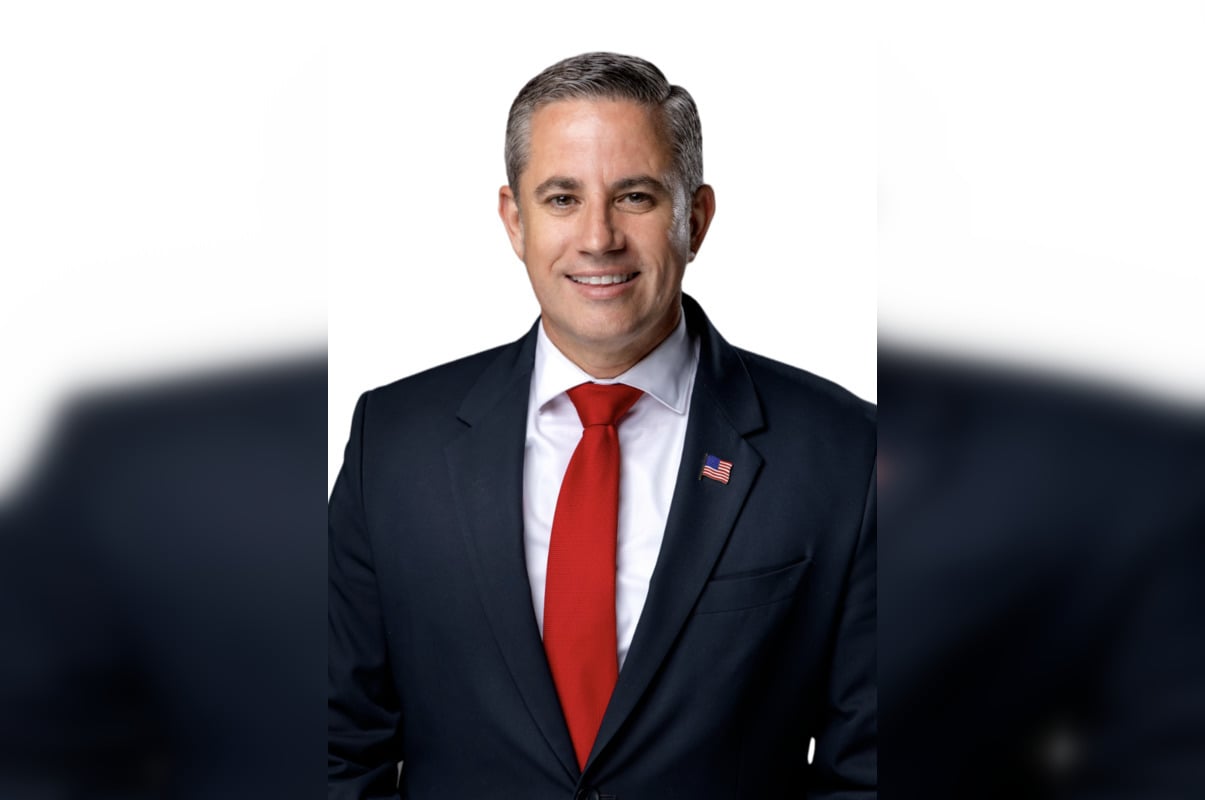
The Miami-Dade Tax Collector, Dariel Fernandez, has revoked the licenses of 20 businesses due to suspected connections with the Cuban government. This decision, announced on Monday, is part of ongoing efforts to enforce local regulations and federal laws that restrict trade with Cuba. Fernandez, who emigrated from Cuba, emphasized national security concerns as a critical factor in this crackdown.
In October, the tax collector’s office initiated a review by contacting 75 businesses, requesting documentation to demonstrate that they were not involved in commercial activities with Cuba. Of those, 48 businesses complied with the request, while the remaining entities received a second notice. Ultimately, the 20 businesses that failed to respond had their licenses revoked, preventing them from legally operating within Miami-Dade County.
Among the businesses affected are Havana Sky Travel Inc., Global Cargo Corp, and Yumuri Shipping & Travel LLC, as reported by NBC Miami. This enforcement action underscores Miami-Dade County’s commitment to regulating commerce with Cuba and adhering to longstanding U.S. trade restrictions.
Ongoing Regulatory Scrutiny
The tax collector’s office indicated that further enforcement actions are on the horizon. “In the coming weeks, more businesses will be notified, and those that do not comply with the requirements will have their Local Business Tax revoked. This is just the beginning,” Fernandez stated, according to NBC Miami.
These actions highlight the increasing scrutiny that businesses in Miami-Dade face regarding their trade practices, especially those with potential ties to Cuba. Companies operating in the area must ensure their activities align with federal regulations to avoid similar sanctions in the future.
The revocation of licenses reflects a broader effort to uphold compliance with regulatory frameworks governing international trade and national security. As the situation develops, businesses in Miami-Dade may need to take proactive measures to demonstrate their compliance with the law. The landscape of commerce in the region could shift significantly as enforcement intensifies.