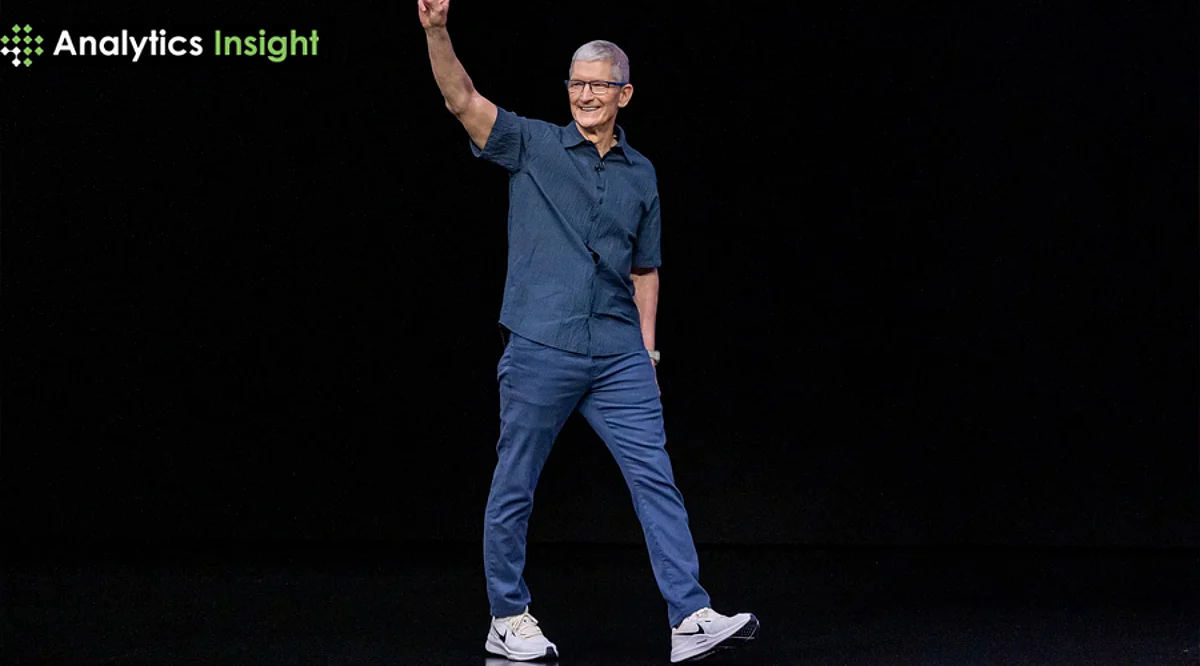
Nike’s stock experienced a rebound in early trading on December 24, 2023, following a significant insider purchase by Apple CEO Tim Cook. The move comes after a notable decline in Nike’s share price, which fell nearly 13% post-earnings announcement, reflecting investor concerns over the company’s profitability and market performance.
Tim Cook’s Insider Purchase
According to a Form 4 filing with the U.S. Securities and Exchange Commission (SEC), Cook acquired 50,000 shares of Nike Class B common stock on December 22, 2023, at a weighted average price of $58.97 per share. This purchase amounted to approximately $2.95 million. The filing detailed that Cook executed several transactions within a narrow price range of $58.96 to $58.97. Following this acquisition, Cook’s total holdings in Nike increased to around 105,000 shares.
Cook has been a member of Nike’s board since 2005 and currently serves as the lead independent director. Insider purchases often attract investor attention, particularly during periods of stock underperformance, as they indicate a personal financial commitment to the company.
Market Reaction and Broader Context
Nike shares rose nearly 2% in premarket trading after the announcement, reaching around $58.49. Despite this uptick, the stock has faced significant challenges since the company released its quarterly results on December 18, 2023. The earnings report revealed that while revenue reached $12.43 billion, net income fell by 32% and gross margins declined by approximately 300 basis points. Sales in China, a crucial market for Nike, decreased by 17%, marking a continued downturn in that region.
In addition to Cook’s acquisition, another Nike director, Robert Holmes Swan, reported a separate open-market purchase of 8,691 shares at $57.54 on the same day. This kind of insider buying is noteworthy as it reflects a willingness to invest personal capital rather than relying on stock awards, which can influence market sentiment.
While Cook’s purchase does not alter Nike’s financial outlook, it underscores the board’s involvement amidst ongoing challenges. Investors are particularly focused on demand in China, new product launches, inventory management, and the financial impact of tariffs, which Nike estimates could add about $1.5 billion in costs by 2025.
Looking ahead, Nike’s management has indicated that the company remains in recovery mode, emphasizing a focus on core sports products. Despite exceeding revenue expectations, the firm faces increasing competition from brands like On and Hoka. The upcoming third-quarter earnings call will provide further insights into Nike’s performance, particularly in relation to its direct-to-consumer strategy and wholesale growth, as analysts assess whether these factors can counterbalance the weak demand in Nike’s digital channels.
Investors will be closely monitoring future updates concerning guidance and sales in China, as these elements are likely to have a more significant influence on Nike’s stock performance than insider transactions.