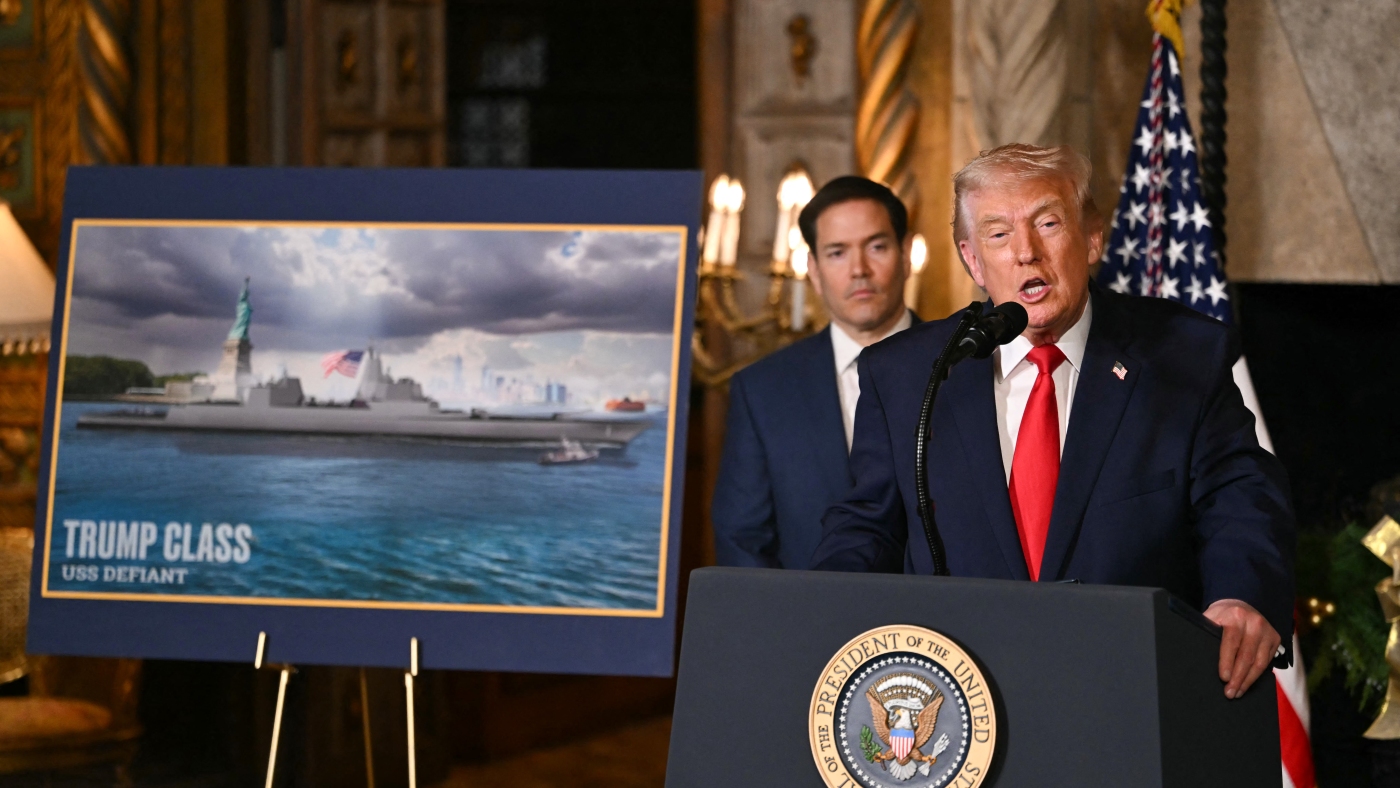
Former President Donald Trump announced plans for a new class of warships named after him during a press event on March 15, 2024. The U.S. Navy is set to invest billions of taxpayer dollars to construct these ships, with initial plans to begin production on two vessels equipped with nuclear missile capabilities. Although Trump mentioned the intention to increase production, he did not specify a timeline for the rollout.
During the event, Trump also addressed ongoing operations involving U.S. forces pursuing a third large oil tanker, but he focused less on the specifics of those actions. This announcement follows a board decision to honor Trump by naming a facility at the Kennedy Center after him, which further underscores his influence in contemporary American politics.
Legal Ruling on Deportation of Venezuelans
In a separate but significant development, U.S. District Judge James Boasberg ruled that the deportation of over 100 Venezuelan men to El Salvador was illegal, citing violations of due process. The judge’s decision mandates that the men be granted hearings, either in the United States or in their home country, after they were sent to a Salvadoran prison earlier this year under the Alien Enemies Act invoked by Trump.
The ruling highlights serious concerns about the treatment of the deported individuals, who reported inadequate nutrition, unsanitary conditions, and abuse during their four-month incarceration. The government is expected to appeal Boasberg’s decision, but advocates for the Venezuelan men stress that the ruling affirms the principle that individuals cannot be sent to harsh foreign prisons without fair legal procedures.
The controversy surrounding these deportations has garnered attention, especially after CBS News decided to halt the airing of interviews with former detainees on its program “60 Minutes.” The actions of the new CBS News leadership, including Bari Weiss, reflect the ongoing tension in how media outlets handle sensitive political issues.
Division within the Republican Party
Amidst these events, a notable shift is occurring within the Republican Party. More than a dozen staff members from the conservative think tank Heritage Foundation have departed to join a new initiative founded by former Vice President Mike Pence. This group, known as Advancing American Freedom, aims to redefine the future of conservatism by promoting traditional values such as free trade and a more engaged foreign policy.
While Heritage Foundation remains a prominent voice in conservative circles, the formation of Pence’s organization indicates a growing divide as the party grapples with its identity and direction. The developments within these groups suggest a re-evaluation of what it means to be part of the Republican movement in the current political landscape.
As these stories unfold, the implications for U.S. domestic and foreign policy continue to resonate, reflecting the complexities of governance and the evolving dynamics within political factions.