The recent departure of Marcel Vernon from his position as CEO of the Massachusetts Convention Center Authority (MCCA) has sparked significant discussion about the role of Black leadership in Boston. This transition raises important questions about accountability, representation, and the economic stewardship of public institutions in the region.
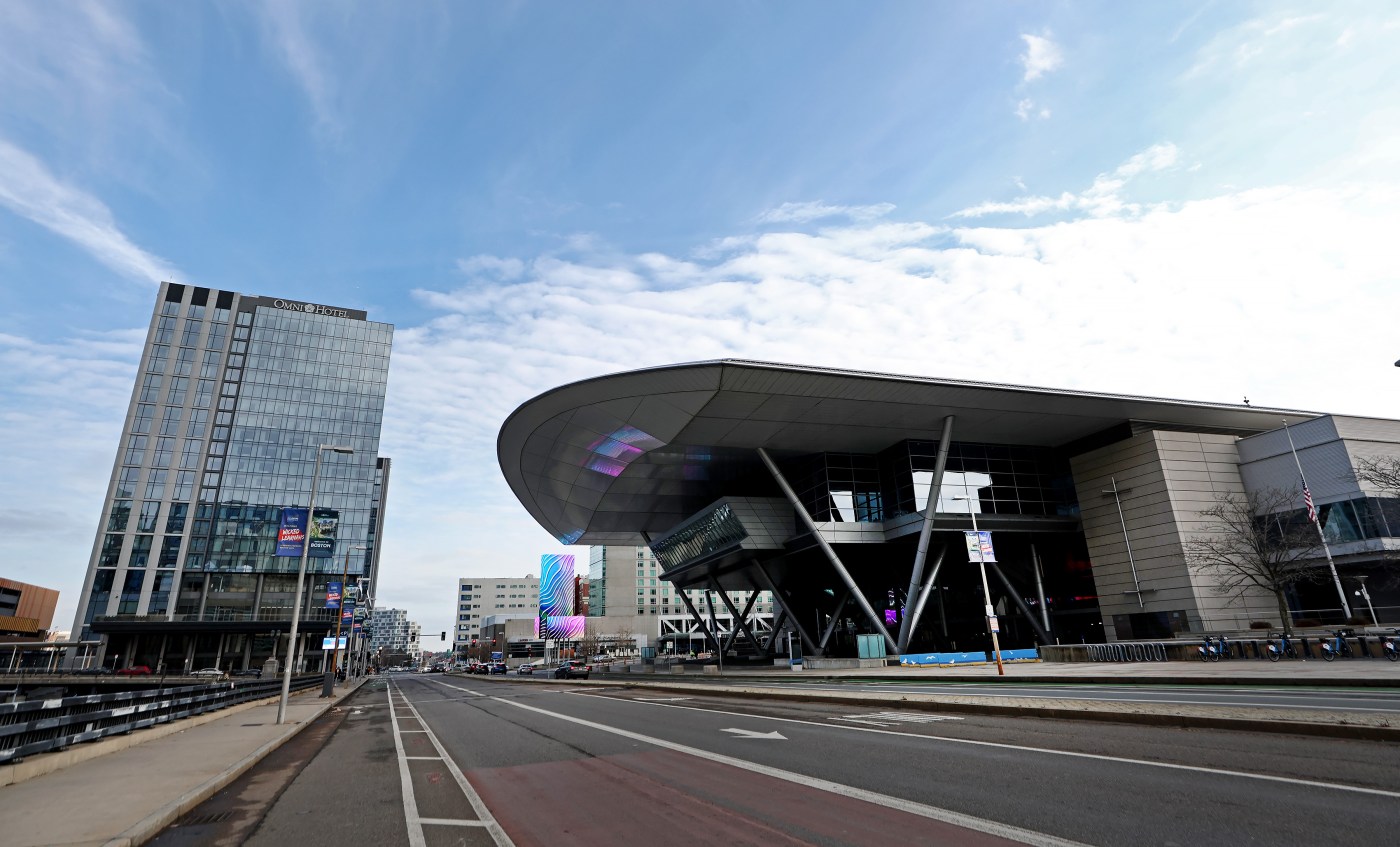
The MCCA is responsible for several key venues, including the Thomas M. Menino Convention and Exhibition Center and the John B. Hynes Veterans Memorial Convention Center. It also manages valuable properties such as the Boston Common Garage and the MassMutual Center in Springfield. The Authority oversees approximately 30 acres of land in the South Boston Waterfront, with potential real estate values reaching up to $3 billion when considering vertical development and air rights. With an annual budget of $137 million, the MCCA generates an estimated $1.2 billion in economic impact and supports nearly 11,500 jobs across Massachusetts.
Vernon’s leadership marked a pivotal moment, as he was the first Black individual to head the MCCA in its history. His tenure was characterized by a commitment to transparency and a push for independent investigations into prior misconduct. Unfortunately, his efforts to foster accountability were met with resistance, leading to his departure. This situation has highlighted a troubling pattern: despite the presence of Black leadership, significant support from Boston’s political and civic establishments appears to be lacking.
The response—or lack thereof—from Boston’s Black political leadership following Vernon’s exit has raised concerns. No public statements emerged from influential groups like the Governor’s Black Advisory Council or the Black and Latino Legislative Caucus. Such silence suggests a troubling message: if the Black community does not advocate for its interests, the existing power structures may feel no obligation to do so.
Vernon’s vision for the MCCA extended beyond traditional convention center roles; he aimed to use these venues as catalysts for economic development throughout Massachusetts. His initiatives included the creation of a Chief Procurement Officer and Supplier Diversity Officer, roles designed to ensure equitable access for small, minority-, and women-owned businesses to MCCA contracting opportunities. Additionally, he formed a partnership with the Black Economic Council of Massachusetts valued at $580,000, aimed at supporting local vendors.
Under Vernon’s leadership, the MCCA sought to redefine its economic impact, striving to connect with communities across the Commonwealth—from Springfield to smaller towns. His approach emphasized that convention centers are not merely venues for events but public infrastructure that can foster inclusive growth and job creation.
The recent election cycle in Boston further illustrates the lack of a coordinated Black agenda. Candidates for mayor and city council did not face questions regarding their commitments to this critical issue. This absence of dialogue leaves little framework for accountability or actionable plans to address the needs of the Black community.
The debate surrounding the proposed renovation of White Stadium, rumored to cost $300 million, exemplifies this disconnect. Without a unified demand from Black leadership for equitable participation and shared economic benefits, the opportunity to leverage such projects for community enrichment remains unfulfilled.
As the dust settles on Vernon’s unexpected departure, it becomes clear that the challenge extends beyond individual leadership. It reflects a broader systemic issue within Boston, where Black leadership may be acknowledged symbolically but lacks the practical support necessary to effect real change. Until there is a collective effort to advocate for equitable representation and accountability, discussions on Black wealth and leadership will continue to ring hollow.
The potential for Massachusetts to set a national example in leveraging public assets for the broader public good remains unrealized. As Boston moves forward, it must address these crucial issues to ensure that all voices are heard and represented in the economic landscape.