In a thought-provoking moment during a recent discussion at Hopkins University, freshman Bryce Leiberman confronted his own biases while writing a paper on the Iraq War. This experience prompted him to critically examine how personal and national identities influence perspectives on foreign policy. His reflections highlight the complexities of American identity and the inherent biases that can shape academic discourse.
Understanding Personal Bias Through National Identity
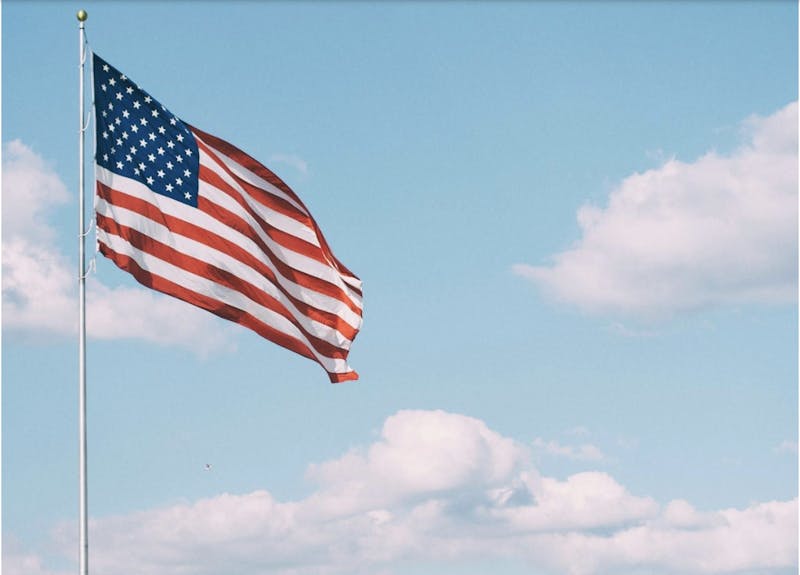
While drafting his paper, Leiberman described the war’s causes to a friend, who encouraged him to consider how his language reflected personal bias. When Leiberman used the term “we” to refer to America, he was struck by how this phrasing suggested a deeper connection to national identity, despite his lack of direct involvement in the events of the war. The realization that he had unconsciously tied himself to a collective American identity led him to question the implications of such associations.
Leiberman recognized that identity is a multifaceted construct, shaped by physical, psychological, and social factors. He reflected on the notion that while pride in one’s country is natural, it does not necessarily entail an endorsement of all its actions. The distinction became particularly significant in the context of discussing U.S. foreign policy, especially with international peers at Hopkins.
The Complexity of Collective Identity
The conversation prompted Leiberman to explore how individuals often align themselves with various groups, whether they be based on nationality, sports teams, or political affiliations. He acknowledged that while these identities can foster unity and support, they can also create division and tribalism. The tendency to equate personal identity with group identity can lead to biases that cloud judgment and analysis.
As Leiberman noted, American citizens are not a monolithic group. Recognizing this diversity is essential when engaging in discussions about national policies, particularly those with significant global ramifications, such as the Iraq War. He emphasized the importance of approaching such topics with a critical awareness of one’s biases and a willingness to engage with contrasting viewpoints.
Ultimately, Leiberman’s introspection serves as a reminder of the need for intellectual humility. As he continues his studies in Political Science and Philosophy, he aims to cultivate a more nuanced understanding of identity and its impact on discourse. His journey reflects a broader challenge for students and scholars alike: to navigate the complexities of personal and collective identities while striving for informed and balanced discussions on critical issues.
Leiberman’s column, which explores his quest for authenticity, illustrates the ongoing work of becoming oneself in an increasingly complex world. As he stated, “learning how to adjust and rebalance our mental calculus” is crucial in understanding how biases form and how they can be addressed in meaningful dialogue.