URGENT UPDATE: A groundbreaking report from the Virginia-based research institute AidData reveals that China’s global lending portfolio has surged to an astonishing $2.1 trillion, far exceeding previous estimates. This development dramatically alters our understanding of China’s influence and lending practices worldwide.
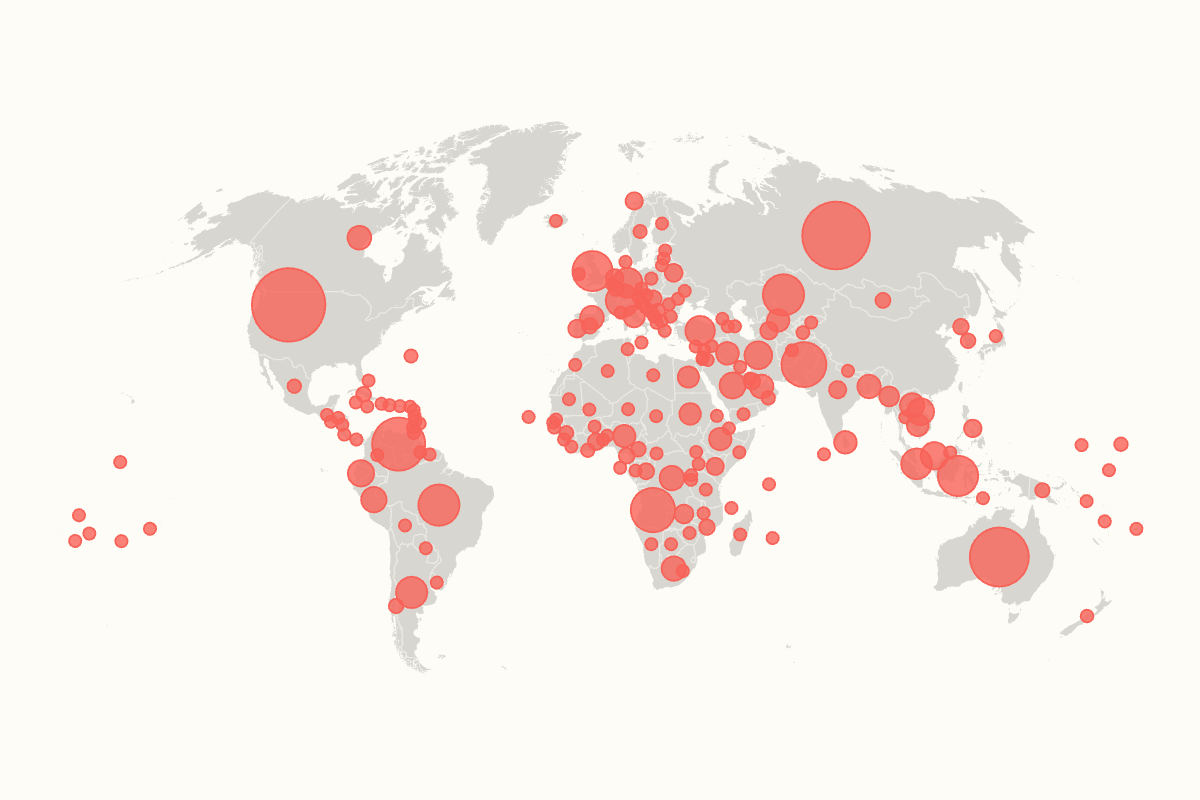
The report, based on a comprehensive three-year study tracking 30,000 projects across 217 countries and territories, indicates that high- and upper-middle-income nations account for a staggering 76 percent of these loans. This challenges long-held assumptions that China’s financial outreach primarily targets developing nations.
In an urgent reflection of China’s rising geopolitical clout, the top recipients of these loans include major economies. The United States leads the list, having received $202 billion in Chinese state-linked loans, covering 2,500 projects across the nation. Following closely is Russia, with $172 billion, and Australia at $130 billion. The report also highlights Venezuela and Pakistan as significant recipients, with $105.7 billion and $75.6 billion respectively.
Critics have long accused China of engaging in “debt-trap diplomacy,” where high repayment demands lead to financial distress for borrowing nations. AidData’s findings suggest this narrative may require reevaluation. Brad Parks, executive director of AidData, stated, “This is an extraordinary discovery given that the U.S. has spent the better part of the last decade warning other countries of the dangers of accumulating significant debt exposure to China.”
Chinese officials have adamantly rejected claims of debt-trap diplomacy. Yang Baorong, director of African Studies at the Chinese Academy of Social Sciences, emphasized in statements to the Global Times that “China’s financing focuses on infrastructure and capacity-building to enable self-reliance, not create dependency.”
The implications of this report are profound. As China asserts itself as a “new global pace-setter,” traditional lenders such as the U.S., Germany, and Japan will need to recalibrate their credit and aid strategies to maintain relevance on the world stage.
The report’s revelations about China’s strategic lending position are particularly critical as they underscore the shifting dynamics of international relations. As more countries rely on Chinese funding, the balance of power in global finance is poised for significant transformation.
What happens next is crucial. The authors of the report suggest that these findings will compel major economies to rethink their approaches to international aid and credit. The urgency for a response from Western nations is palpable as they navigate this new landscape shaped by China’s financial reach.
Stay tuned for further developments as the world grapples with these revelations about China’s extensive loan portfolio and its potential impact on global diplomatic relations.