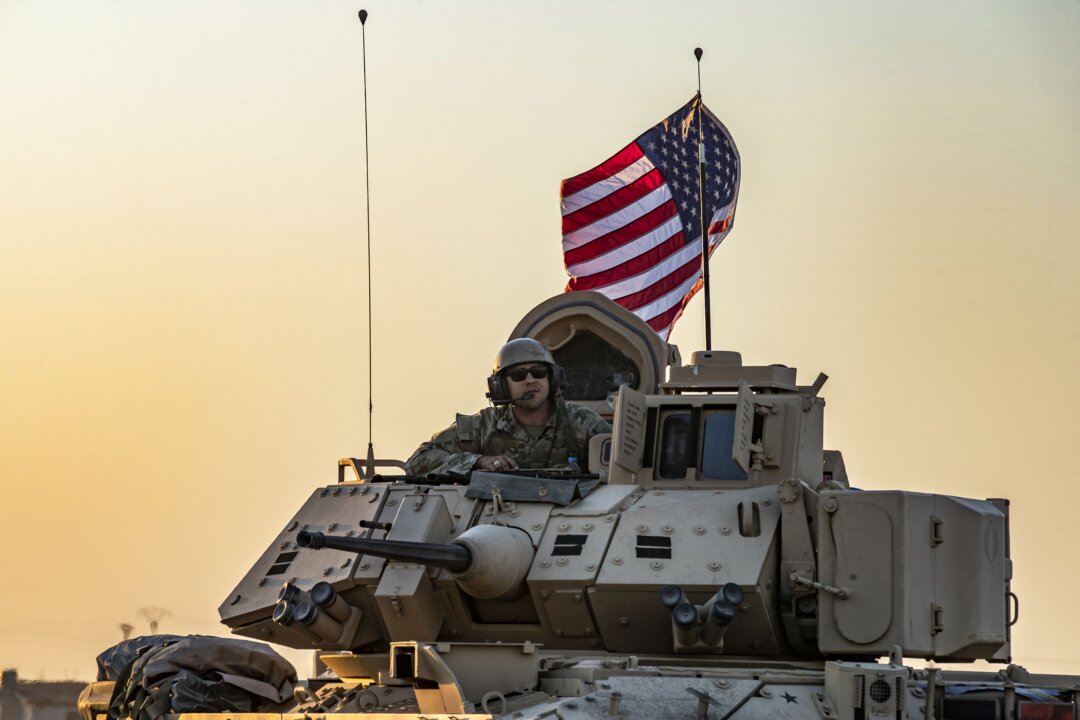
The United States Congress has effectively relinquished its constitutional authority to declare war by declining to pass resolutions that would require congressional authorization for military operations against Venezuela. This decision allows President Joe Biden to initiate military actions without the usual debate or oversight that typically accompanies such significant decisions.
This development raises concerns about the balance of power between the legislative and executive branches of government. By not asserting its authority, Congress has opened the door for potential military engagements that could escalate without public scrutiny or legislative approval. Critics argue that this move undermines the fundamental checks and balances designed to prevent unilateral military action by the presidency.
September 29, 2023, marked a pivotal moment in this ongoing debate. Congress voted on a series of resolutions that would have required prior authorization for any military action against Venezuela. The failure to pass these resolutions means that, moving forward, the president can engage military forces without legislative consent. This shift not only impacts U.S. foreign policy but could also have significant implications for international relations in the region.
The reluctance of Congress to assert its war powers reflects a broader trend in American politics. Over the years, lawmakers have increasingly deferred to the executive branch when it comes to military matters. This trend raises questions about the role of Congress in foreign policy decisions and the potential consequences of such a shift.
Supporters of the decision argue that swift action may be necessary in response to threats from Venezuela. They contend that the complexities of modern warfare require a more agile response that could be hampered by lengthy congressional processes. Yet, opponents fear that without the oversight of Congress, the potential for miscalculation and unnecessary conflict increases.
As military tensions persist in the region, the implications of this decision could reverberate far beyond the halls of Congress. The potential for military engagement with Venezuela, a nation already grappling with political and economic crises, raises concerns about the humanitarian impact on its citizens.
The decision also highlights a growing divide in American politics over the appropriate use of military force. With public opinion often swaying in response to specific conflicts, lawmakers may find themselves in a precarious position if military actions lead to unintended consequences.
Moving forward, it remains to be seen how this shift in authority will influence U.S. military strategy and foreign policy, particularly in relation to Latin America. The absence of congressional oversight could lead to a precedent in which future presidents may feel empowered to engage in military actions with minimal checks.
As this situation unfolds, the role of Congress and its responsibility to provide oversight on military operations will likely come under scrutiny. The balance of power between the legislative and executive branches may very well define the future of U.S. foreign policy and military engagements in the years to come.