The evolution of modern surgery and prosthetics can be traced back to significant changes in attitudes toward amputation during the Renaissance, particularly in 16th and 17th century Europe. This transformation laid the groundwork for how we view the human body today, where limbs can be replaced or enhanced with advanced technology. The period marked a departure from earlier hesitance toward invasive procedures, leading to the development of various amputation techniques and the first complex artificial limbs.
During the American Civil War, which lasted from 1861 to 1865, amputation emerged as the most common medical operation. Surgeons conducted approximately 60,000 amputations, often in less than three minutes per limb. The urgency of these procedures stemmed from the devastating impact of gunpowder weaponry on the battlefield. Yet, the roots of this surgical practice extend back several centuries before that conflict.
Shifting Perspectives on Amputation
In the early 1500s, surgical interventions such as amputations were rarely performed due to the high risk of death. The cultural shift began as European surgeons started to see the body not merely as something to preserve but as a construct they could reshape. The rise of gunpowder warfare created new types of injuries that challenged traditional surgical methods. Wounds from firearms often resulted in gangrene and severe trauma, necessitating immediate surgical intervention.
The invention of the printing press played a pivotal role in disseminating surgical knowledge. Surgeons documented their methods in treatises, sharing techniques that, while gruesome by modern standards, were designed to save lives. Procedures often involved quick amputations and innovative uses of cautery irons to prevent excessive bleeding. This era marked a notable departure from medieval practices, leading to a progressive embrace of surgical innovation.
Emergence of Prosthetic Technology
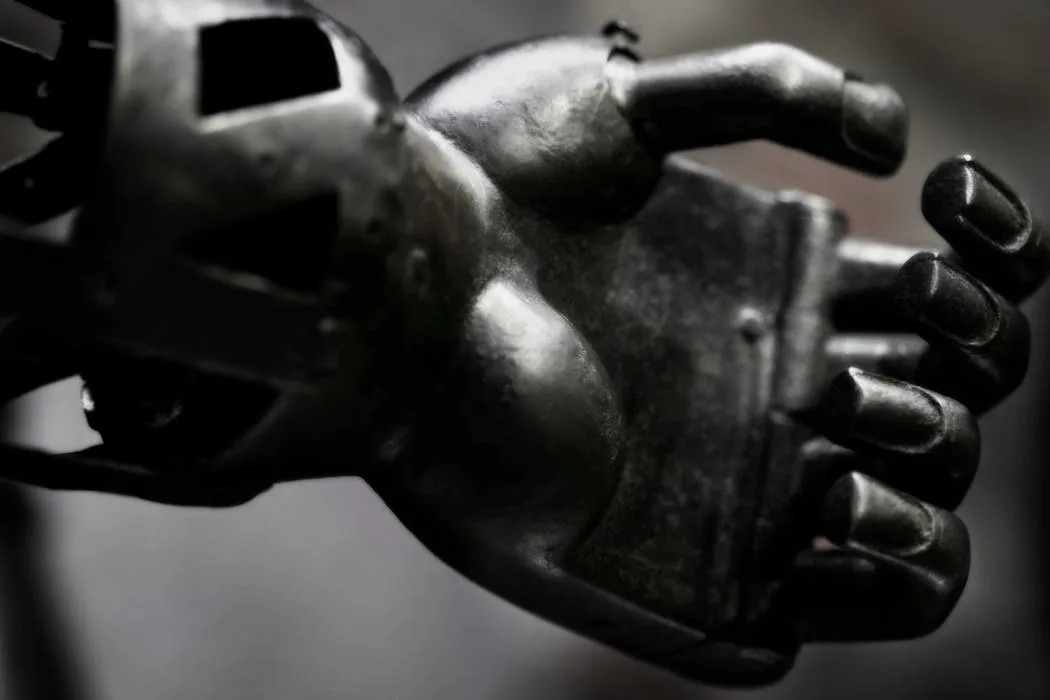
As surgical techniques evolved, so too did the field of prosthetics. The late 15th century saw the emergence of mechanical iron hands, a significant advancement in artificial limbs. These devices were not merely functional; they were intricate creations that reflected the artistry and craftsmanship of the time. Historical evidence indicates that the survival rate for amputation was around 25%, making the development of effective prosthetics all the more crucial for those who survived.
Amputees often collaborated with artisans to create their prosthetic devices, which were tailored to individual needs. Iron hands featured movable fingers that could be locked into various positions, allowing wearers to perform tasks. Some designs even mimicked lifelike details, such as engraved fingernails and flesh-toned paint. This innovation was not just practical; it served to empower amputees, challenging societal perceptions of disability.
The introduction of artificial limbs during this period created a distinct divide among different social classes. Wealthier individuals had access to more sophisticated designs, highlighting the interplay between technology and class in early modern Europe. The proliferation of iron hands prompted surgeons to consider how prosthetic devices could be integrated into surgical planning, further transforming the medical landscape.
Throughout history, iron hands have been mischaracterized as primarily belonging to knights or warriors, with figures like the 16th century knight Götz von Berlichingen often cited as a prime example. However, recent research indicates that many prosthetic devices were used by individuals from diverse backgrounds, including artisans and laborers. These hands became symbols of resilience, challenging stereotypes and redefining notions of ability.
The legacy of these early innovations continues to shape modern medicine. The understanding that the human body can be altered and enhanced through technology is a fundamental principle in contemporary surgical practices, such as hip replacements and other prosthetic advancements. This evolution reflects a broader cultural shift that began centuries ago, driven by the collaboration of surgeons, amputees, and artisans.
In conclusion, the history of amputation and prosthetics during the Renaissance illustrates a critical turning point in medical practice. It was a time when the boundaries of the human body began to be reimagined, paving the way for the complex and innovative medical technologies we see today. The collaboration between those who underwent amputation and the artisans who crafted their prosthetics showcased a remarkable blend of creativity and necessity that still resonates in our understanding of medicine and technology.
This article was written by Heidi Hausse, a historian at Auburn University, and is republished from The Conversation, a nonprofit organization dedicated to providing factual and insightful analysis on current issues.