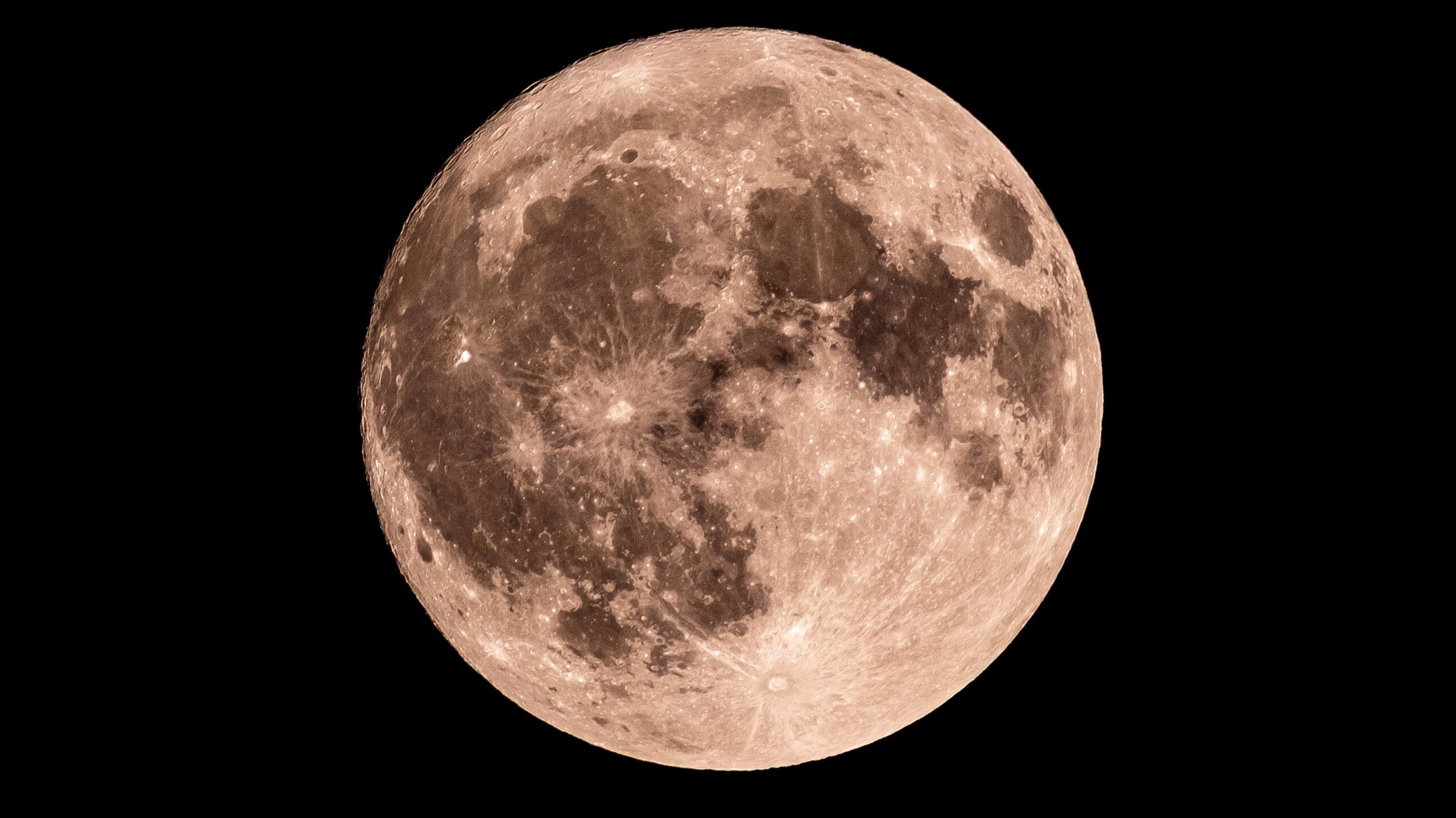
The Moon is re-emerging in the night sky, marking the start of a new lunar cycle. As of December 21, 2023, the current moon phase is a Waxing Crescent, with only 2% of its surface illuminated. This initial phase indicates that the Moon will gradually grow larger and brighter each night, leading up to the next Full Moon on January 3, 2024.
According to NASA’s Daily Moon Observation, with such a small portion of the Moon lit, there will be limited visibility of its surface details tonight. Observers will notice a slender crescent, but the majority of the Moon remains shrouded in darkness. The previous Full Moon occurred on December 4, 2023, which means enthusiasts will need to wait just a little longer for the next opportunity to enjoy a fully illuminated lunar display.
Understanding the Lunar Cycle
The Moon undergoes a complete cycle approximately every 29.5 days, a process known as the lunar cycle. During this time, the Moon transitions through eight distinct phases as it orbits Earth. While the same hemisphere always faces our planet, the amount of sunlight reflecting off the Moon varies, resulting in different appearances throughout the month.
The phases of the Moon include:
– **New Moon**: The Moon is positioned between the Earth and the Sun, rendering it invisible.
– **Waxing Crescent**: A small sliver of light appears on the right side.
– **First Quarter**: Half of the Moon is illuminated on the right side, resembling a half-moon.
– **Waxing Gibbous**: More than half of the Moon is lit but not fully illuminated.
– **Full Moon**: The entire face of the Moon is bright and visible.
– **Waning Gibbous**: The Moon begins to lose light from the right side.
– **Third Quarter (Last Quarter)**: The left side becomes illuminated, again resembling a half-moon.
– **Waning Crescent**: A thin sliver of light remains on the left side before the cycle restarts.
This rhythmic cycle of illumination captivates stargazers and informs various cultural traditions and scientific observations. As the Moon continues its journey towards fullness, enthusiasts may anticipate clearer views and more detailed observations in the coming nights.
The Waxing Crescent phase serves as a reminder of the celestial mechanics at play and the beauty of nature’s rhythms. Whether for scientific study or personal enjoyment, the Moon’s phases provide a fascinating glimpse into the universe surrounding us.