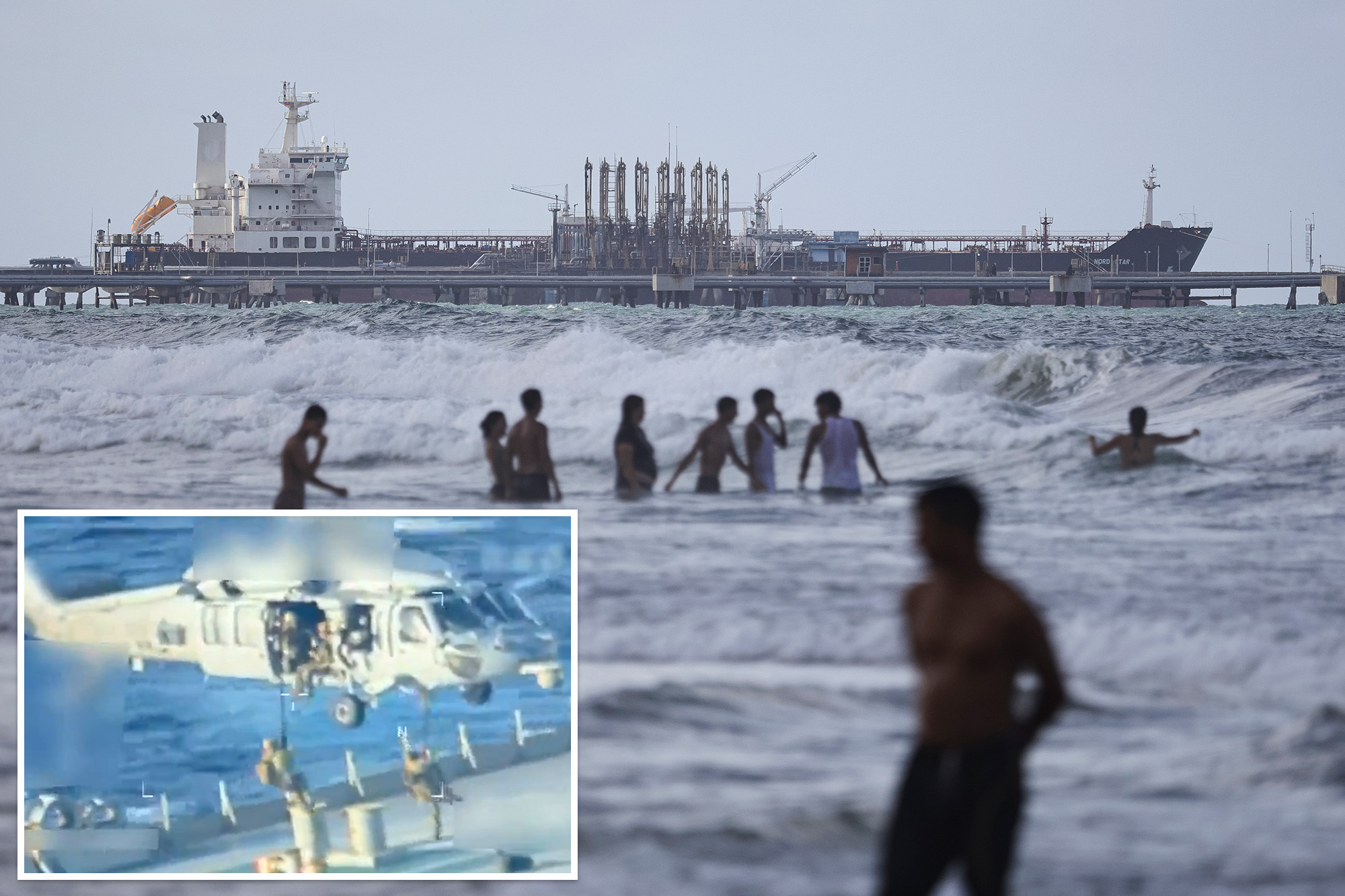
The United States has initiated the seizure of a vessel off the coast of Venezuela in international waters, according to three U.S. officials. This action follows a recent announcement by U.S. President Donald Trump, who declared a “blockade” against all sanctioned oil tankers entering or leaving Venezuela. The officials, who requested anonymity, did not specify the exact location of the operation, but confirmed that the U.S. Coast Guard is leading the initiative.
This seizure is significant as it represents the second such action taken by the Coast Guard and allied agencies within a matter of weeks. In a statement made on December 15, Trump ordered “a total and complete blockade of all sanctioned oil tankers going into, and out of, Venezuela.”
The implications of this blockade have already been felt in the region. Following the seizure of a sanctioned oil tanker off Venezuela’s coast last week, an effective embargo has been established. Numerous vessels carrying millions of barrels of oil have opted to remain in Venezuelan waters to avoid the risk of seizure.
The Coast Guard, along with the Pentagon, directed inquiries to the White House regarding the latest operation. As of now, the White House has not provided a response to these requests for comment, leaving questions about the broader strategy and potential consequences of the blockade unanswered.
The ongoing U.S. actions are part of a broader strategy aimed at exerting economic pressure on the Venezuelan government, which has faced intense scrutiny and sanctions from multiple nations due to its controversial policies and human rights record. The situation remains fluid, and further developments are expected as U.S. authorities continue their enforcement measures in the region.
As the U.S. aims to curb oil exports from Venezuela, the international community watches closely, aware that the outcome of these operations may have far-reaching impacts on global oil markets and diplomatic relations in the Americas.