UPDATE: Urgent reports confirm that severe cuts to U.S. aid have left millions of Syrians facing an imminent thirst crisis. Just announced funding reductions from USAID have drastically affected humanitarian efforts, plunging regions like Atmeh into desperate conditions as winter approaches.
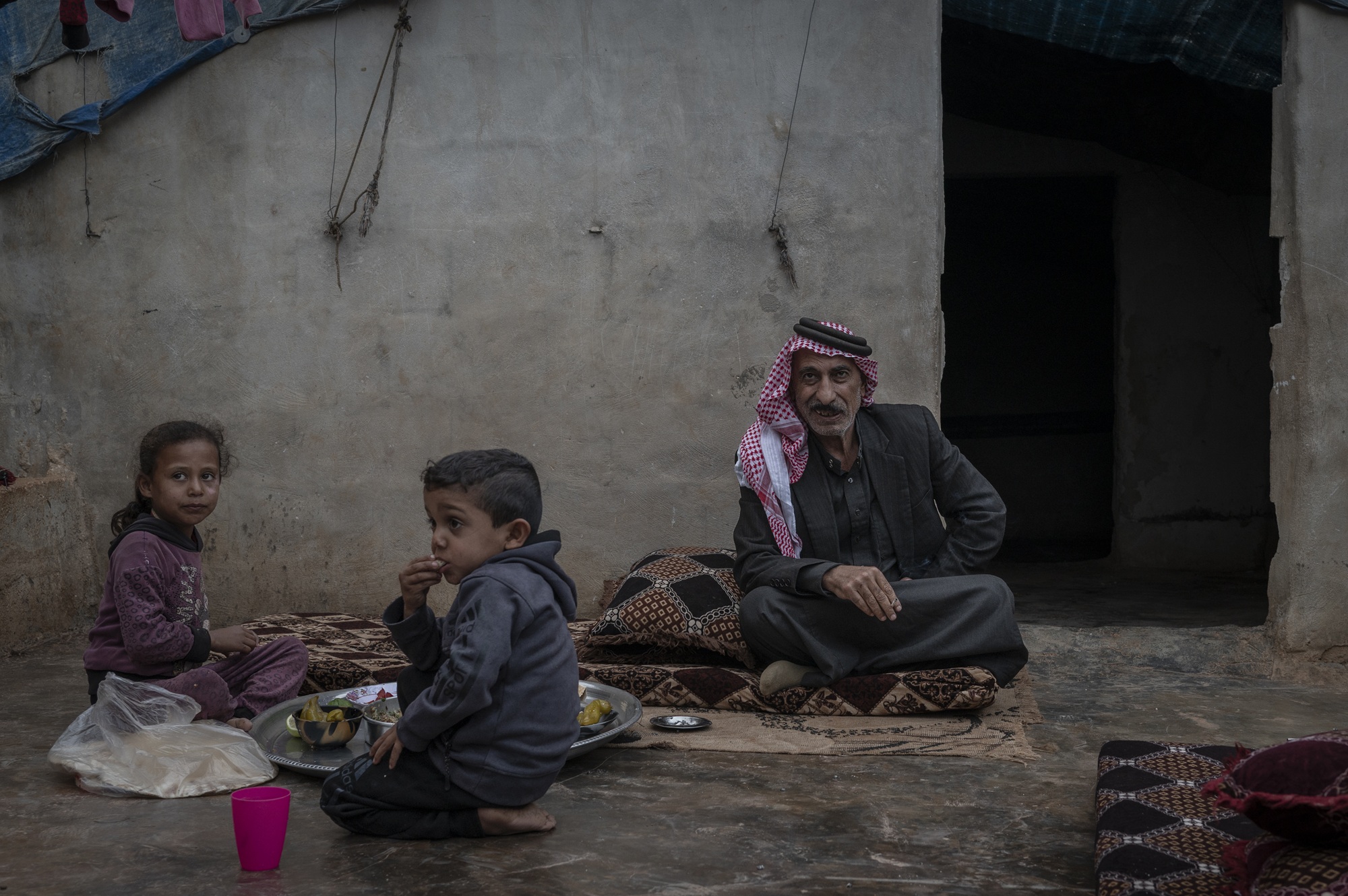
Mustafa Abdelqader, a displaced father living in the Karameh camp in Atmeh, said, “We’re left with no aid, just a little food trickling in,” highlighting the dire situation facing families across northwest Syria. As of February 27, 2025, hundreds of aid organizations, including GOAL and Relief International, halted operations following the sudden suspension of U.S. funding. This decision has left over 16 million people dependent on humanitarian aid on the brink of disaster.
In Idlib, which houses 3.5 million displaced individuals, the impact is devastating. Mohamed Fadel, director of the Sarmin Health Center, stated, “The funding cuts were brutal.” Hospitals and clinics have suffered from a nine-month supply shortage, forcing healthcare workers to volunteer without pay. Clinics that once provided essential medical services are closing, increasing the risk of health crises.
The humanitarian toll in Syria is staggering: over 600,000 deaths and more than 100,000 missing. As the transitional government led by Ahmad al-Shara attempts to rebuild the country, the withdrawal of U.S. aid could destabilize recovery efforts. Humanitarian organizations report a shortfall of $237 million in aid funding, exacerbating the suffering of millions.
With winter looming, conditions are worsening. Abu Muhammad, a resident of Hamze camp, described a grim reality: “We barely get food items… before, they pumped water for an hour a day, now we get just ten minutes.” Contaminated water supplies pose a significant health risk, while families are forced to reduce meals to once a day.
Abu Ali, a former humanitarian worker, emphasized that 80 percent of water, sanitation, and hygiene services have ceased. Streets in Atmeh are now filled with garbage, increasing the spread of disease. The cuts have led to the dismissal of hundreds of workers, crippling the already fragile infrastructure.
As the international community grapples with the consequences of funding cuts, the stability of Syria hangs in the balance. The U.N. Office for the Coordination of Humanitarian Affairs reports that about 70 percent of the Syrian population relies on aid, underscoring the urgent need for renewed support.
Experts warn that the U.S. funding reductions, driven by domestic political agendas, undermine stabilization efforts in Syria. The lack of reliable aid during this critical transition threatens to escalate tensions and push more Syrians to consider fleeing their homeland.
With the humanitarian crisis deepening and winter approaching, the pressure on local communities intensifies. “The needs are enormous and increasing, but the money is dwindling,” said Youssef Khoury, an NGO coordinator. The situation is becoming increasingly urgent, and without immediate action, the ripple effects could lead to an even greater humanitarian disaster.
As we witness this unfolding crisis, the world must respond to the urgent needs of the Syrian people. The time to act is now.