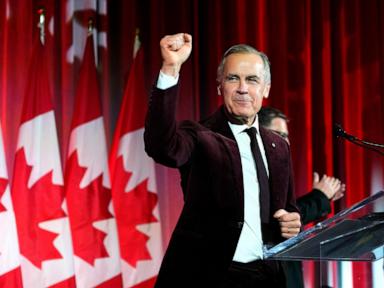
Canada and the United States are preparing to engage in formal discussions regarding their free trade agreement, set to commence in mid-January 2024. This announcement was made by the office of Canadian Prime Minister Mark Carney, who informed provincial leaders that Dominic LeBlanc, Canada’s lead negotiator for U.S.-Canada trade relations, will meet with U.S. counterparts to initiate the review process.
The current agreement, known as the United States-Mexico-Canada Agreement (USMCA), is scheduled for a comprehensive review in 2026. The original deal was negotiated by former U.S. President Donald Trump during his first term, which included a clause allowing for potential renegotiation. Carney provided an update to the leaders of Canada’s provinces during a meeting on Thursday, emphasizing the importance of these discussions given Canada’s trade-dependent economy.
More than 75% of Canada’s exports are directed to the United States, underscoring the significance of this relationship. Currently, many of these exports benefit from exemptions under the USMCA. Trade talks had previously stalled in October 2023 after Ontario’s provincial government aired an anti-tariff advertisement in the U.S., leading to heightened tensions over Trump’s suggestion that Canada should become the 51st state.
Carney mentioned that prior to the breakdown of discussions, Canada and the U.S. were nearing an agreement on tariff relief in various sectors, including steel, aluminum, and automobiles. Tariffs imposed on these materials have adversely affected several sectors of Canada’s economy. In addition, U.S. Trade Representative Jamieson Greer highlighted that ongoing discussions would address U.S. concerns related to Canadian policies on dairy, alcohol, and digital services.
Key Economic Ties and Future Discussions
Canada serves as the top export destination for 36 U.S. states, with nearly $3.6 billion CAD (approximately USD 2.7 billion) worth of goods and services crossing the border daily. Furthermore, Canada supplies about 60% of U.S. crude oil imports and 85% of U.S. electricity imports. The nation is also the leading foreign supplier of steel, aluminum, and uranium to the U.S., alongside holding 34 critical minerals and metals that the Pentagon is keen to secure for national security purposes.
Carney noted that while U.S. access to Canada’s critical minerals is a potential opportunity, it is not guaranteed. “It’s part of a bigger discussion in terms of our trading relationship,” he stated. “We have other partners around the world, in Europe for example, who are very interested in participating.” This statement reflects the complexity of international trade dynamics and the competitive landscape surrounding resource acquisition.
In light of these developments, Carney and the provincial premiers are set to meet in person in Ottawa early in the new year to further discuss strategies and priorities for the upcoming negotiations. The outcome of these talks will likely have significant implications for both nations’ economies and their trade policies moving forward.