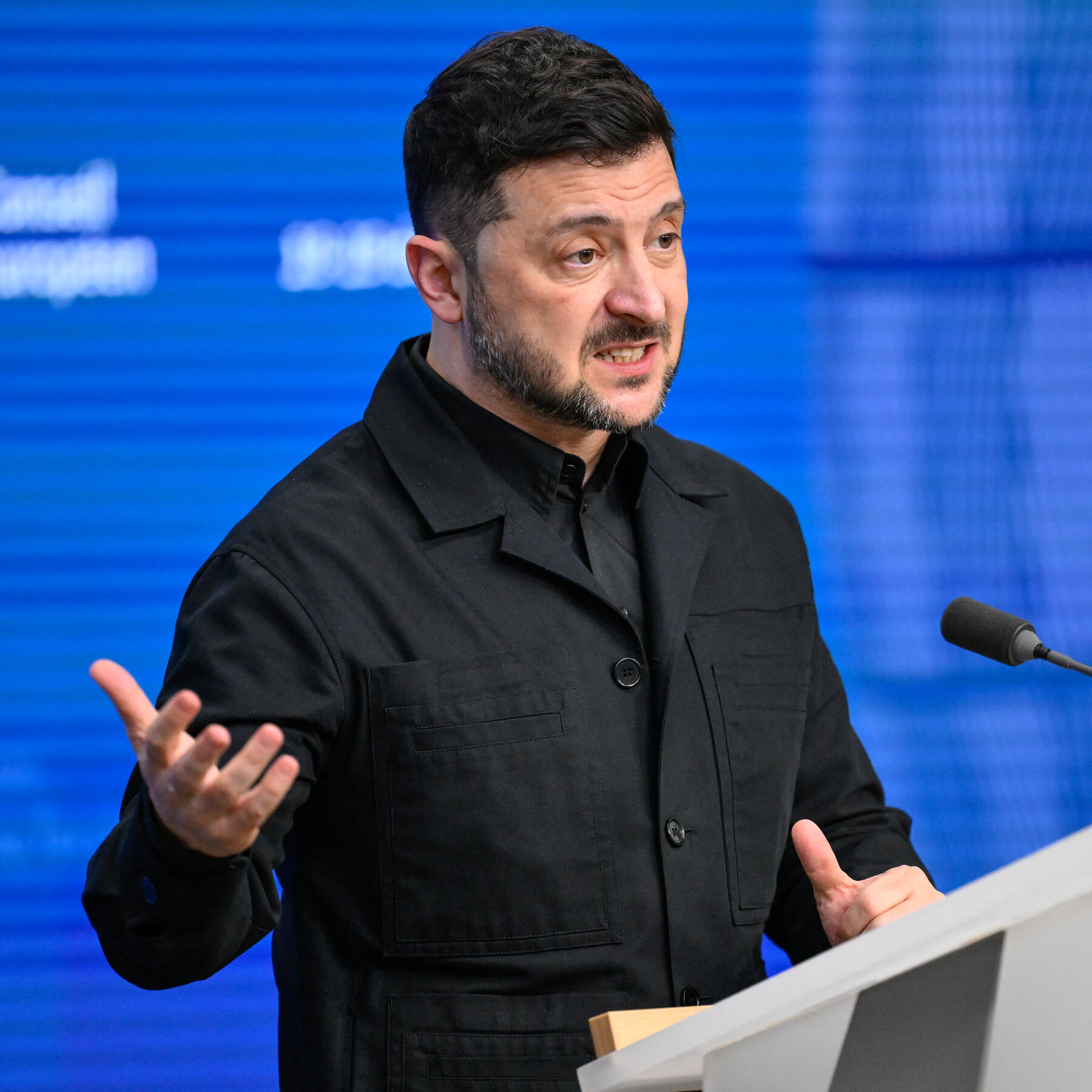
Ukrainian President Volodymyr Zelensky made a direct appeal to European Union leaders in Brussels on March 15, 2024, urging them to release frozen Russian assets. He emphasized that without access to these funds, Ukraine would face significant challenges in maintaining its military capabilities, particularly in drone production.
During the summit, Zelensky highlighted that the ongoing conflict with Russia has strained Ukraine’s financial resources. He stated that the lack of funding could lead to a drastic reduction in the country’s ability to produce drones, which play a critical role in its defense strategy. “Without these resources, we will not be able to meet our production targets,” Zelensky warned.
The leaders of the E.U. gathered in Brussels to discuss various pressing issues, with the war in Ukraine at the forefront. Zelensky’s request aligns with ongoing discussions within the bloc regarding how to further support Ukraine in its fight against Russian aggression. The proposal to utilize frozen Russian assets has gained traction among some E.U. members as a potential means of providing financial assistance to Ukraine.
In recent months, the E.U. has frozen billions of euros in Russian assets as part of sanctions imposed in response to the invasion of Ukraine. These measures aim to pressure the Russian government while providing support to Ukraine. However, accessing these funds has proven complex, with legal and logistical hurdles complicating the process.
Zelensky’s appeal underscores the urgency of the situation. Ukraine’s military has relied heavily on Western support, including funding and military equipment, to defend its sovereignty. The president reiterated that the continuation of such support is vital, particularly as the conflict shows no signs of abating.
The financial implications of the war have been significant. According to estimates, Ukraine has incurred losses exceeding $500 billion since the onset of the conflict in February 2022. As the war drags on, the necessity for sustainable funding sources becomes increasingly critical.
E.U. leaders are expected to deliberate on Zelensky’s proposal in the coming days. Several countries within the bloc have expressed willingness to explore options for releasing these frozen funds, although consensus remains elusive. The discussions reflect a broader commitment to supporting Ukraine while navigating the geopolitical complexities of the situation.
In conclusion, Zelensky’s call to action in Brussels serves as a poignant reminder of the ongoing struggles faced by Ukraine. The response from E.U. leaders will be closely watched, as it could have profound implications for the country’s defense efforts and its ability to sustain operations amidst an enduring conflict. The situation remains fluid, and the outcome of these discussions will be crucial for Ukraine’s future.