European Union leaders are urgently working to develop strategies to unlock Russia’s frozen assets in a bid to support Ukraine’s economy. The initiative comes as Ukraine faces increasing financial pressures, with concerns mounting that a lack of funding could hinder its ongoing efforts in the conflict with Russia. The stakes are high, with both the United States and Russia potentially using these funds as leverage in future negotiations regarding the war.
At the heart of the negotiations are approximately €300 billion in Russian assets that have been frozen across various jurisdictions since the onset of the conflict. As discussions progress, the European Union is grappling with internal divisions regarding how best to handle these funds. Some member states advocate for the immediate use of these resources to aid Ukraine, while others caution against acting too hastily.
Internal Disagreements Within the European Union
The European Union’s decision-making process has been complicated by differing opinions among its member states. Countries in Eastern Europe, particularly those bordering Ukraine, strongly support swift action to utilize frozen assets for humanitarian aid and military assistance. Conversely, nations with closer economic ties to Russia express reluctance, fearing potential repercussions on their own economies.
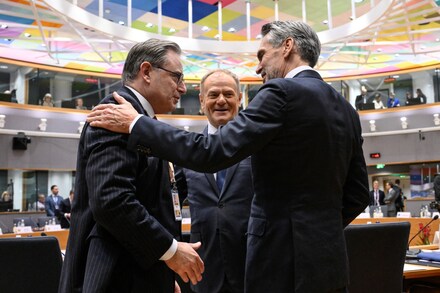
As discussions unfold in Brussels, there is a pressing need for a unified approach. The potential unlocking of these assets could significantly bolster Ukraine’s financial stability, alleviating immediate concerns about resource shortages. However, leaders must navigate the delicate balance of maintaining diplomatic relations while fulfilling their commitments to support Ukraine.
The Impact of U.S. and Russian Negotiations
The timeline for action is critical. Both the United States and Russia are poised to consider these assets in the broader context of negotiations. The U.S. has indicated a willingness to support measures that align with their interests in the region, which could further complicate the European Union’s efforts.
As EU leaders push for a resolution, the clock is ticking. Ukrainian officials have repeatedly warned that without timely financial assistance, their ability to sustain operations could diminish significantly. The European Union’s approach to managing these frozen assets may not only affect the immediate economic landscape in Ukraine but could also influence the long-term geopolitical dynamics in Eastern Europe.
In this complex scenario, the European Union is faced with the challenge of balancing economic realities with political considerations. The decisions made in the coming weeks will likely have lasting implications for the relationship between Europe, Russia, and Ukraine.
The urgency of the situation cannot be overstated. With Ukraine’s economic resilience on the line and the geopolitical landscape shifting, European leaders are compelled to act decisively. How they navigate these challenges will be a crucial test of unity and resolve within the European Union as it seeks to support Ukraine while addressing the broader implications of the ongoing conflict.