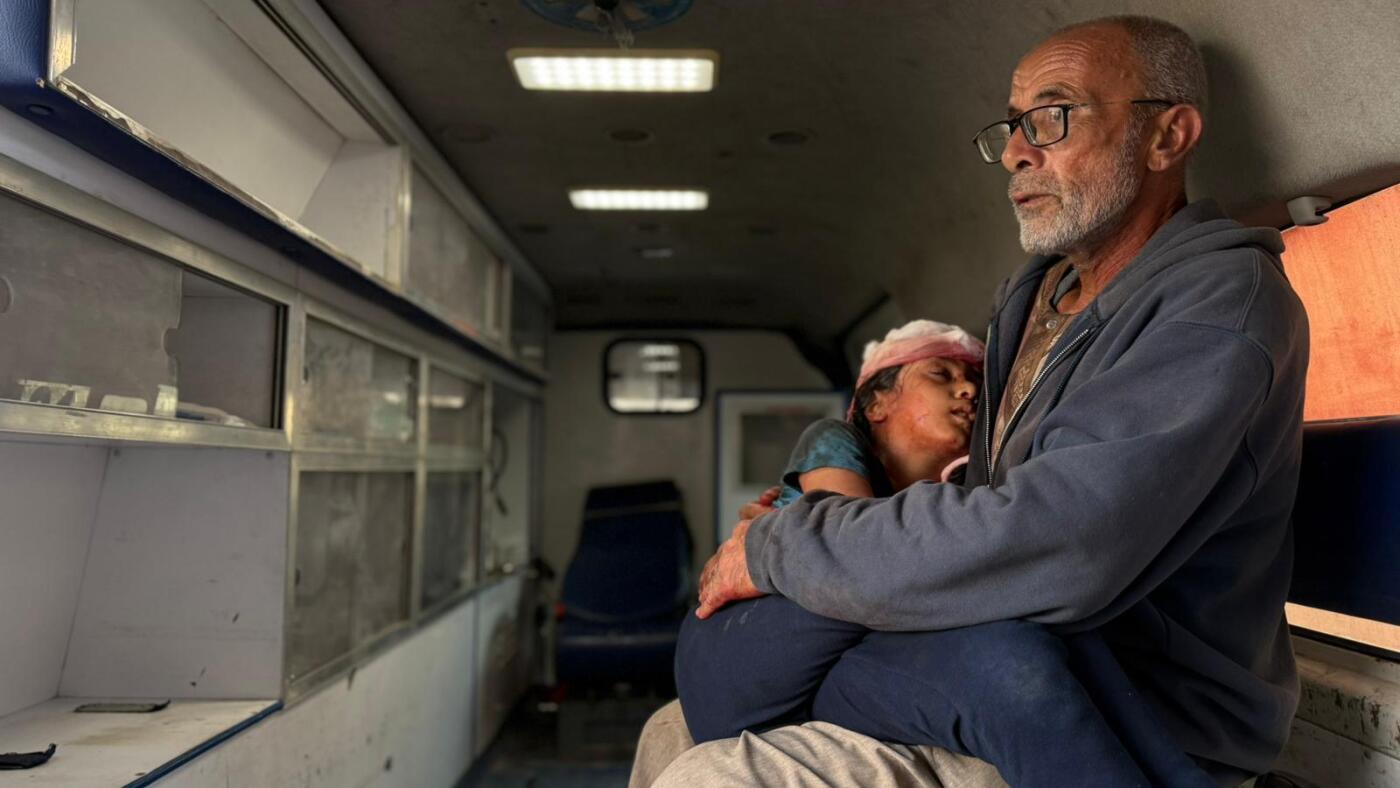
When 10-year-old Bayan Al-Ankah was reportedly shot in the head by Israeli military forces in a displaced persons camp in Gaza last week, her tragic death highlighted the ongoing violence amidst a fragile ceasefire between Hamas and Israel. According to her family, she became one of several hundred Palestinians killed during the ceasefire, raising concerns among mediators from Qatar and Egypt that the truce is increasingly threatened by frequent Israeli attacks in Gaza.
The future of the U.S.-backed ceasefire now hinges on two vital actions: the deployment of an international force in Gaza and the disarmament of Hamas. While discussions are underway, key nations involved are still grappling with fundamental questions about how to proceed, making the goal of having international troops in Gaza by early 2026 seem increasingly challenging.
Efforts to disarm Hamas forcefully face resistance from many countries. A document from the U.S. State Department outlines the previous administration’s vision for these international troops, aimed at “supporting the demilitarization of Gaza, dismantling terrorist infrastructure,” and “decommissioning weapons used by terrorists.” Yet, representatives from various nations indicate a reluctance to deploy troops tasked with confronting Hamas directly.
In a recent gathering in Doha, the United Nations Security Council mandated the operation of international troops in Gaza through the end of 2027. However, the role of these forces remains ambiguous. The U.S. convened representatives from numerous countries to discuss plans for the International Stabilization Force (ISF). This initial meeting did not result in formal troop commitments, according to an anonymous U.S. official. Countries like Italy, Egypt, Indonesia, Azerbaijan, and Turkey are being considered as potential contributors to the ISF.
Turkey’s Foreign Minister Hakan Fidan expressed that Turkey is ready to take a leading role in deploying troops but emphasized that military personnel should act as peacekeepers rather than engage in disarming Hamas. “We shouldn’t expect from the ISF work that has not been completed by Israeli security forces,” he stated at the Doha Forum.
Other Muslim-majority countries, notably Egypt, have also indicated they will not send troops to Gaza for the purpose of forcibly disarming Hamas. Egyptian Foreign Minister Badr Abdelatty articulated that the mandate should focus on peacekeeping rather than peace enforcement, advocating for rapid deployment of monitors to mitigate ongoing violations of the ceasefire by Israel.
Israeli Prime Minister Benjamin Netanyahu expressed skepticism regarding the capability of an international force to fulfill the objective of disarming Hamas. He stated, “Our friends in America want to try and establish a multinational force to do the job. I told them … please, be my guest.” Israel has voiced concerns about Turkey’s participation, viewing it as a nation sympathetic to Hamas. Furthermore, Israel has reiterated that it will not withdraw its troops from Gaza until the territory is fully demilitarized.
Disagreements among involved countries regarding the timing and sequencing of steps toward Hamas’ disarmament and an Israeli troop withdrawal persist. Qatari Foreign Ministry spokesman Majed Al-Ansari emphasized the urgency of decisions to prevent the collapse of the ceasefire, stating, “When does disarmament happen? How does it happen? … Every lack of decision on a lot of these issues provides time for the ceasefire to collapse.”
While Hamas appears willing to lay down arms, it insists that this disarmament must be linked to a robust political process that culminates in the establishment of a Palestinian state. In an interview, Bassem Naim, a Hamas negotiator, conveyed the organization’s openness to a ceasefire lasting “five, seven, or 10 years,” provided that Gaza remains free from attack during that time. He stated, “Disarmament or decommissioning of weapons have to be connected to a serious political track.”
Hamas welcomes the idea of the ISF as a peacekeeping force but insists on its role as a buffer separating Israeli forces from Palestinian communities. Senior Hamas leader Hossam Badran remarked that any discussions about disarmament must first clarify the implications of such actions and should be accompanied by the withdrawal of Israeli troops and the reopening of the Rafah border between Gaza and Egypt.
The humanitarian crisis in Gaza continues to worsen, with mediators Qatar and Egypt reporting that Israel is not permitting sufficient aid as agreed in the ceasefire deal. The United Nations has indicated that many families in Gaza are suffering severe food shortages, with a quarter of households reportedly surviving on just one meal a day. Furthermore, basic medical supplies remain largely unavailable.
As the situation remains precarious, aid agencies warn that the ongoing blockade of essential supplies is exacerbating the humanitarian crisis, particularly as winter approaches. A recent storm compounded these challenges, leading to further devastation as families struggle with inadequate shelter. Tragically, reports indicate that at least two infants died due to exposure to the cold, highlighting the urgent need for improved humanitarian support in the region.
As discussions continue regarding the deployment of international troops and the path toward lasting peace, the human cost of inaction remains painfully evident in Gaza.