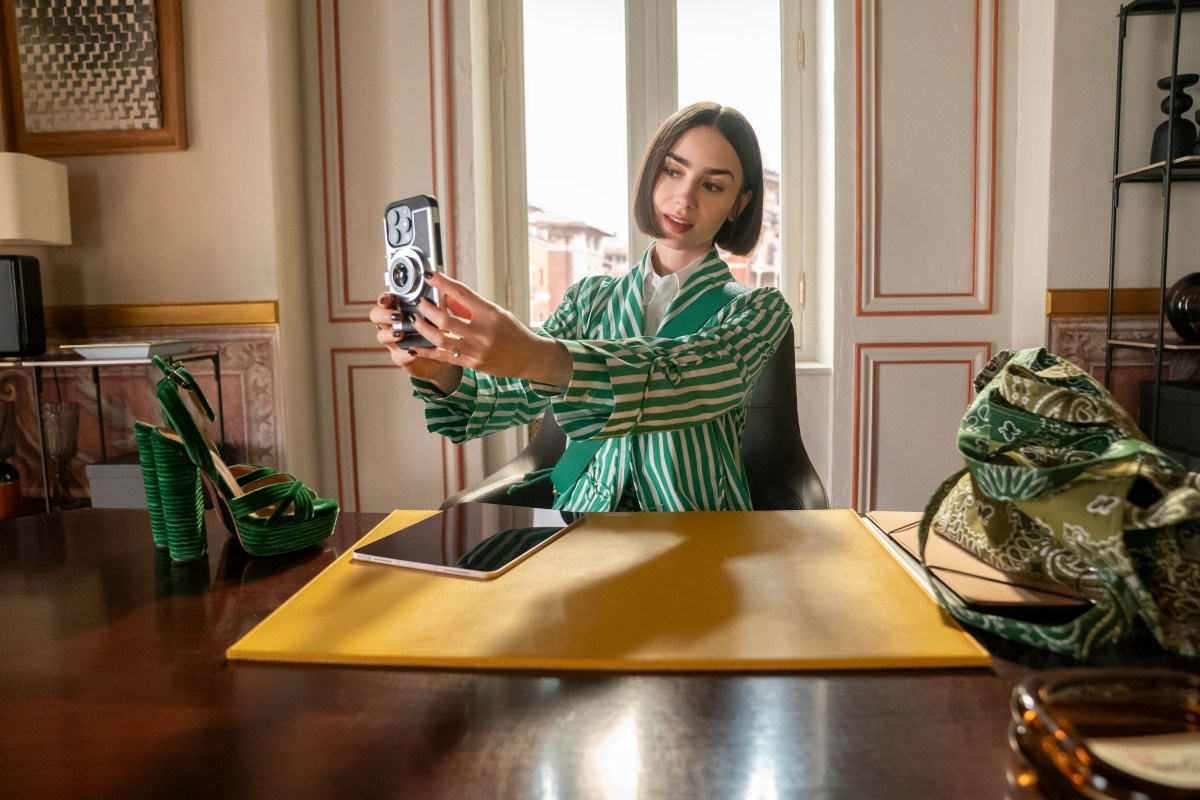
The popular Netflix series Emily in Paris is set to return for its fifth season on December 18, 2024. While details surrounding the upcoming season remain scarce, fans eagerly anticipate another ten episodes following the adventures of Emily Cooper, played by Lily Collins, as she navigates life in a stylized Paris and now Rome. Despite the show’s initial success, which saw its debut season reach 58 million households in 2020, recent seasons have struggled to maintain the same level of cultural impact and viewership.
Following the launch of season four, viewership numbers sharply declined, with only 19.9 million households tuning in. This drop has sparked conversations about the show’s relevance, especially as social media users have expressed fatigue over its repetitive plotlines and love triangles. Critics have echoed these sentiments, giving the series mixed or average reviews on platforms such as Metacritic.
As the cultural landscape continues to shift, the question remains: can Emily in Paris recapture its earlier magic? Lucille Befort, a cultural entrepreneur and founder of the media company French Vibes Club, noted that the show initially resonated with audiences during the pandemic, when escapist narratives were particularly appealing. “Its cultural dominance has naturally softened,” she stated. “Emily in Paris emerged at a time when viewers sought visually comforting content, coinciding with a peak in influencer culture.”
Lori Bindig Yousman, a professor specializing in media literacy, emphasized that while the novelty may have waned, there is potential for a resurgence. “Setting season five in Italy returns the series to its ‘fish-out-of-water’ premise,” she explained. Yousman believes that the current politically charged environment could lead audiences to seek out comfort shows like Emily in Paris. “The series is reassuringly familiar while offering an escape,” she added.
Befort echoed this sentiment, suggesting that the show could remain relevant if it evolves alongside its audience. “Paris itself has not lost its appeal,” she explained. “However, contemporary viewers expect greater depth and self-awareness.” Despite its escapist charm, the series has faced criticism for its portrayal of cultural differences, often relying on clichés rather than nuanced representation. Salvador Ordorica, a cultural heritage advocate, remarked, “The series skimmed the surface of cultural differences, and as audiences become savvier, this approach loses its appeal.”
Originally launched during a time when audiences craved beauty and fantasy, Emily in Paris has not been without controversy. Critics have pointed out its problematic portrayals, including a Ukrainian character that drew backlash from Ukraine’s minister of culture and scenes that some deemed dismissive of Chinese culture. These controversies, while damaging, kept the show in the public eye and reflect changing audience sensitivities.
Despite its declining viewership, the series has had a tangible impact on Paris’s global profile. A 2024 survey revealed that 38 percent of tourists cited Emily in Paris as a reason for visiting the city. The influence of the show is evident, with France’s first lady, Brigitte Macron, making a cameo appearance in season four. Paris’s tourist office continues to promote filming locations from the series.
As the fifth season approaches, the challenge lies in whether Emily in Paris can adapt to maintain its cultural relevance without the controversy that once fueled its visibility. Many fans still aspire to live the idealistic life portrayed by Emily Cooper, but as audience expectations evolve, so too must the narrative. The show’s ability to evolve could determine whether it can reclaim its status as a must-watch series in a rapidly changing media landscape.