The political landscape in Washington shifted dramatically on September 26, 2023, when President Donald Trump announced a blockade on Venezuelan oil tankers. This decision has ignited a fierce debate among lawmakers, particularly highlighting divisions between Democrats and Republicans regarding the administration’s transparency and intentions.
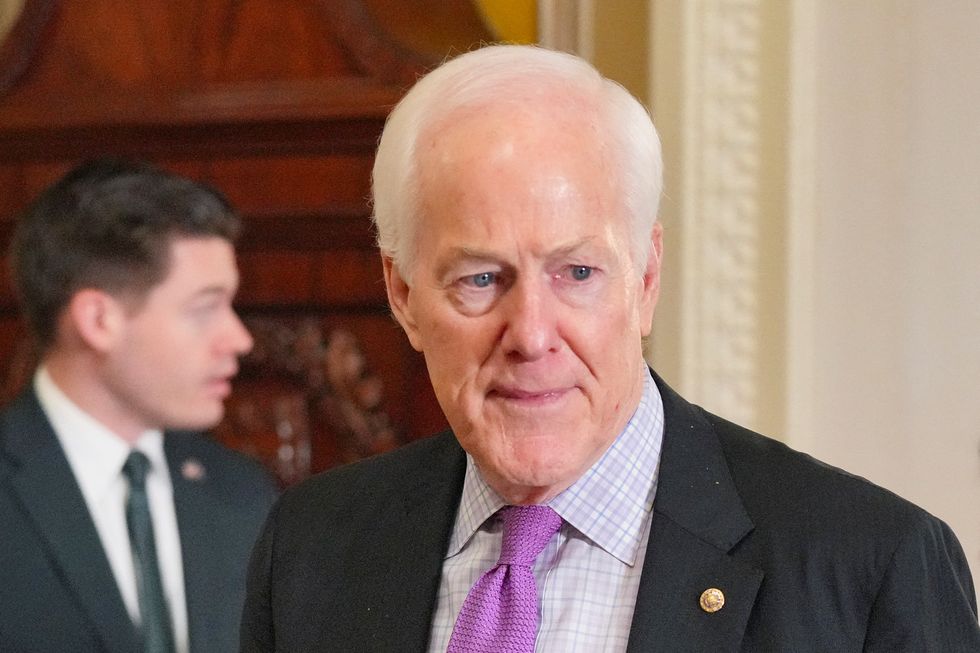
During a session at the Capitol, senior Republican senator John Cornyn from Texas dismissed concerns raised by Democrats about being misled by the administration. Cornyn’s remarks came in response to questions regarding whether he was surprised by Trump’s blockade announcement. He stated, “Not really,” emphasizing the geopolitical implications of Venezuelan oil as a significant revenue source for countries like Iran and China, as well as for Russia, which he claims uses this revenue to fund its military operations.
Democratic lawmakers, including Gregory Meeks of New York, expressed frustration over the lack of comprehensive briefings about the blockade. Meeks, who serves as the ranking member of the House Foreign Affairs Committee, noted that the discussions with Secretary of Defense Pete Hegseth and Secretary of State Marco Rubio focused primarily on U.S. military actions against alleged drug traffickers in the Caribbean, leaving the blockade largely unaddressed.
Meeks remarked, “After Trump’s blockade announcement, it was clear Venezuela was about oil. It’s not about drugs.” His statement underscores a growing sentiment among Democrats that the administration’s military actions are driven by economic interests rather than genuine concerns about drug trafficking.
The blockade announcement comes amid ongoing U.S. military operations that have reportedly resulted in nearly 100 casualties from strikes against boats accused of drug trafficking. Critics, including Meeks, have condemned these actions, with some referring to the method of targeting survivors as a potential violation of international law.
On the Senate floor, Cornyn’s comments drew ire from his Democratic colleagues who argue that Trump’s administration needs to seek congressional approval for military actions against the Nicolás Maduro regime. Cornyn trivialized the emotional responses from Democrats by stating, “Poor babies. They just need to open their eyes,” further amplifying tensions within the chamber.
Despite this dismissive attitude, not all Republicans share Cornyn’s perspective. Senator Rand Paul from Kentucky voiced his concerns about the legality of U.S. military operations, particularly criticizing the “double tap” strikes that resulted in the deaths of individuals who had previously survived an initial attack. Paul argued that these actions reflect a troubling inconsistency in U.S. military engagement and called for greater transparency and accountability.
Senator Dick Durbin of Illinois echoed similar sentiments, lamenting the lack of adequate briefings for Congress. He stated that the Trump administration’s approach reflects a disregard for legislative oversight, suggesting that the Republican majority in Congress is enabling this behavior.
As the situation develops, Democrats continue to call for a more open dialogue with the administration regarding its foreign policy strategies, specifically concerning Venezuela. The implications of Trump’s blockade and military actions could have far-reaching consequences for U.S. relations in Latin America and raise significant questions about the administration’s long-term objectives in the region.
In this politically charged environment, the clash between approaches to foreign policy remains a critical issue, shaping the discourse as the Trump administration navigates its next steps concerning Venezuela and its oil resources.