In a significant move, the Miami Dolphins have benched quarterback Tua Tagovailoa, opting to use the remaining three games of the season to evaluate rookie Quinn Ewers. This decision marks the end of a tumultuous six-year period for the franchise and highlights ongoing challenges within the organization.
The Dolphins’ choice to bench Tagovailoa is not merely about his performance; it reflects a deeper issue of dysfunction that has plagued the team for seven seasons. Steve Ross, the team’s owner, and president Tom Garfinkel had initially embraced a strategy of “tanking” to secure a top draft pick. This plan faltered, partly due to head coach Brian Flores winning games despite the organization’s intentions. As a result, the Dolphins failed to land a premier quarterback in the draft.
Failures in Leadership and Draft Decisions
In the 2020 NFL Draft, the Dolphins had the opportunity to select from a talented pool of quarterbacks, including Joe Burrow, Justin Herbert, Jordan Love, and Jalen Hurts. Instead, general manager Chris Grier chose Tagovailoa, who has struggled to establish himself as a reliable starting quarterback in the league.
This decision is emblematic of the broader issues within the Dolphins organization. Grier, who faced criticism for passing on high-potential quarterbacks in previous drafts, has now departed, leaving behind a legacy of missed opportunities. The Dolphins still grapple with the consequences of these choices as they search for a new direction.
Tagovailoa’s departure from the starting role comes after years of uncertainty regarding his ability to lead the team. Mike McDaniel, the current head coach, was brought in to nurture Tagovailoa’s development but has faced challenges in balancing the player’s physical limitations with organizational expectations. Despite showing flashes of potential, Tagovailoa has struggled to maintain consistent performance on the field.
A Need for Organizational Change
The Dolphins’ management structure has come under scrutiny, particularly regarding accountability and decision-making processes. Questions arise about why Ross and Garfinkel did not implement checks and balances to prevent the team from making questionable financial commitments, such as Tagovailoa’s substantial contract extension worth $210 million.
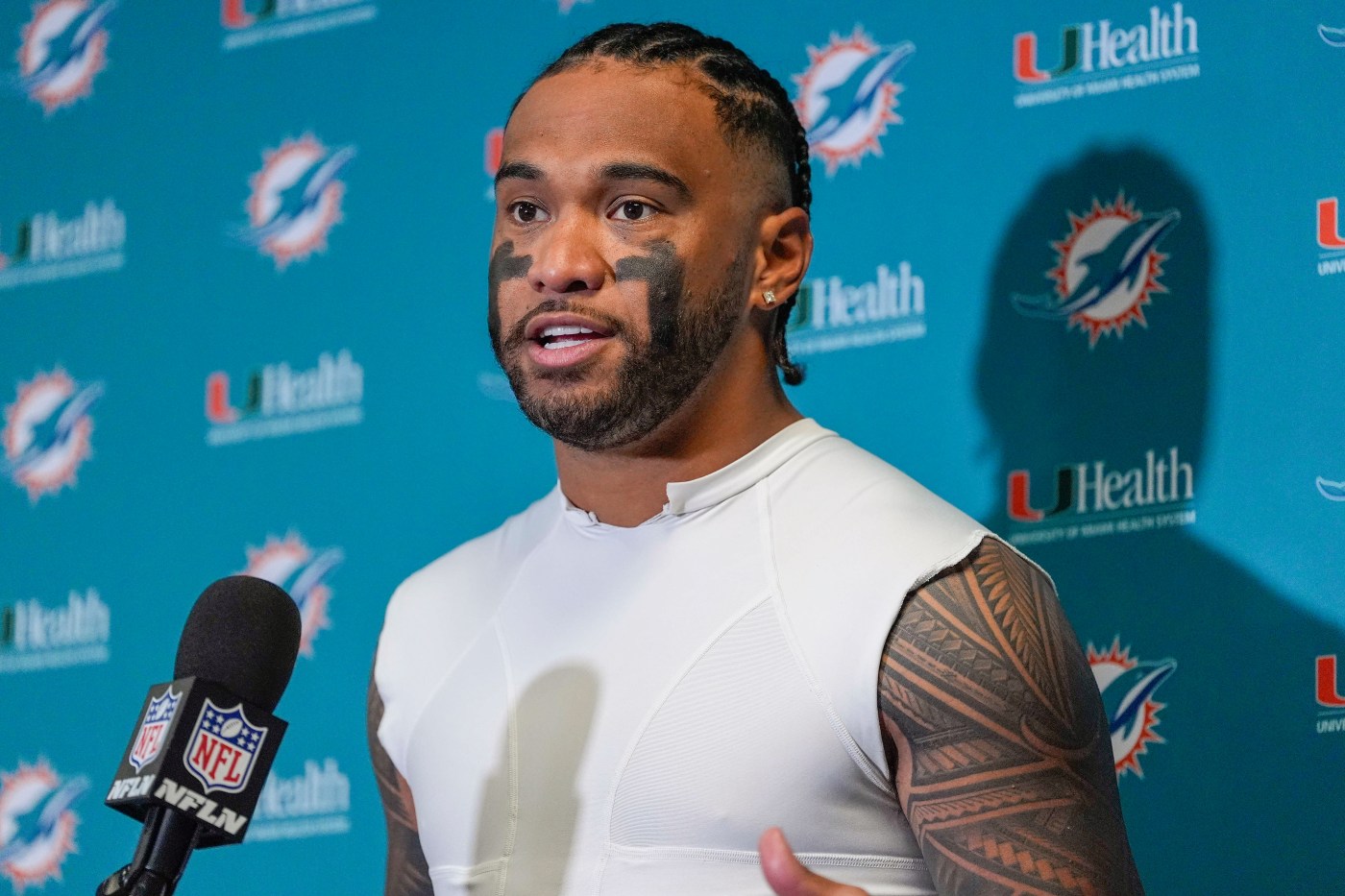
“My role here right now is to help whoever the quarterback is going to be,” Tagovailoa stated following his demotion.
As the Dolphins look to the future, it is clear that the franchise must confront its past mistakes. Ross must engage in an introspective evaluation of the organization’s failures and work towards creating a culture that avoids repeating the same errors. With a playoff victory eluding the Dolphins for 25 years, the urgency for change is palpable.
Despite being sidelined, Tagovailoa will remain a financial consideration for the Dolphins, as he will account for $99 million in dead money against the salary cap. The team’s strategy regarding his contract may influence their financial landscape in upcoming seasons, as they aim to reshape their roster.
In summary, the decision to bench Tagovailoa signifies not just a shift in the quarterback position but a critical moment for the Miami Dolphins. With a need for accountability and a redefined vision for the future, the organization faces an important crossroads as it seeks to overcome a legacy of dysfunction.