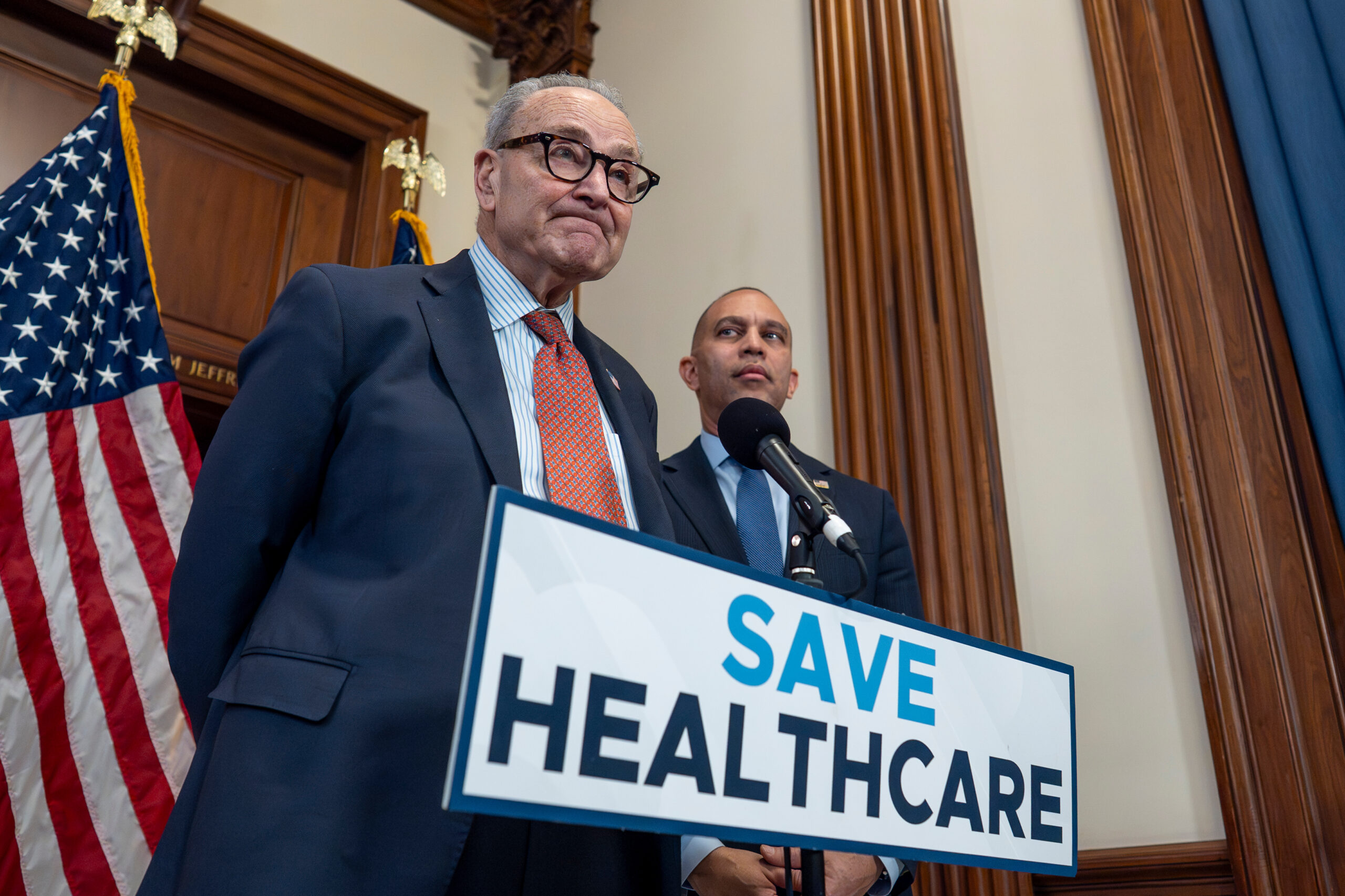
The debate surrounding health care subsidies continues to intensify as both abortion-rights and anti-abortion groups warn lawmakers that their positions may significantly influence the upcoming midterm elections. As discussions unfold, the potential impact on health care funding has become a critical issue, overshadowed by the contentious landscape of reproductive rights.
Both factions are mobilizing their supporters to communicate their expectations to elected officials. According to a recent survey conducted by the Pew Research Center, approximately 61% of Americans believe that women should have access to abortion services. This statistic highlights the importance of the issue not only to the electorate but also to the political calculus of lawmakers.
Political Ramifications of Abortion Stance
Lawmakers are keenly aware that any decision made regarding health care subsidies could have electoral consequences. Abortion-rights advocates argue that failing to support reproductive health funding compromises women’s access to necessary medical services. Conversely, anti-abortion groups insist that supporting such funding equates to endorsing abortion practices, urging lawmakers to align their votes with conservative values.
Both sides are preparing for a highly charged environment as the midterms approach. Political action committees are being mobilized, and grassroots campaigns are gaining momentum. For instance, the National Right to Life Committee has pledged to devote significant resources to candidates opposing abortion funding, while Planned Parenthood has announced plans to increase its outreach to ensure that reproductive health remains a prominent issue.
Public Sentiment and Legislative Challenges
Public sentiment is a double-edged sword for lawmakers navigating this complex terrain. While the Pew Research Center indicates a majority support for abortion access, there is also a sizable portion of the population advocating for more restrictions. This dichotomy places legislators in a precarious position, balancing the demands of their constituents with party lines and personal beliefs.
As of March 2024, the implications of this debate are evident in various states, where proposed legislation altering health care funding continues to surface. Some lawmakers are introducing bills that seek to limit funding for health care providers that offer abortion services, while others advocate for expanded access to comprehensive health care, including reproductive health.
The stakes are high. With the midterm elections looming, lawmakers who disregard the strong stances of either side may find themselves facing backlash from voters. The upcoming electoral cycle is poised to center not only on health care but also on the broader implications of reproductive rights in the United States.
Amid this heated discourse, it remains clear that the intersection of health care subsidies and abortion rights will be a decisive factor in shaping the political landscape in the coming months. As advocacy groups ramp up their efforts, the pressure on lawmakers intensifies, leaving many to ponder how their choices will resonate with an increasingly polarized electorate.