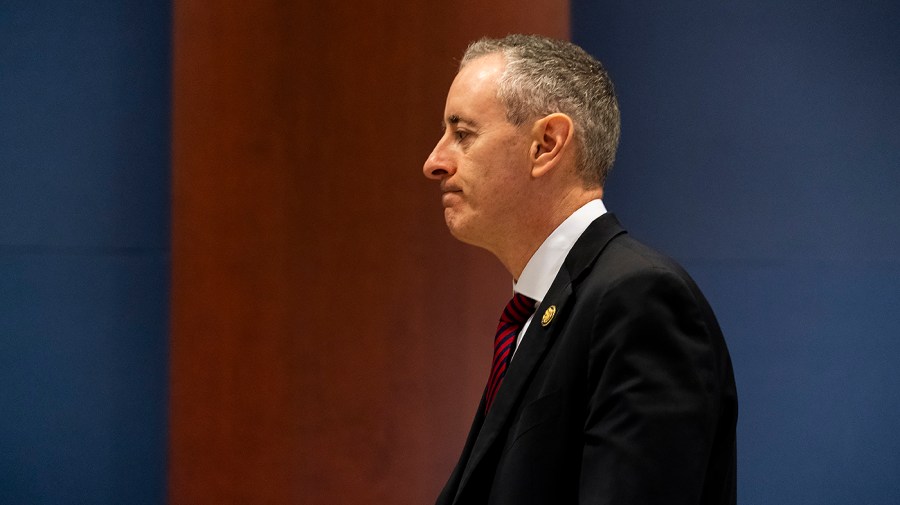
Rep. Brian Fitzpatrick (R-Pa.) asserted on Wednesday that leaders within the Republican Party engineered the debate surrounding a series of proposed amendments to ObamaCare, intending for them to fail. Fitzpatrick’s comments highlight a growing frustration among some lawmakers regarding the tactics used to sidestep a potentially contentious vote.
During a press conference, Fitzpatrick emphasized that the fear of a bill achieving 218 votes in Congress should not deter leaders from allowing it to reach the floor. “Fear of a bill getting 218 votes on the floor is not a reason to keep it off,” he stated. “It’s a reason to put it on the floor.” His remarks indicate a desire for a more transparent legislative process.
The amendments, which aimed to address various concerns about the Affordable Care Act, were largely seen as a litmus test for Republican unity on health care issues. Fitzpatrick’s stance reflects a growing division within the GOP, where some members advocate for a more open discussion on health care reform while others appear more focused on maintaining party cohesion.
The ongoing debate over ObamaCare has significant political implications. With the 2024 elections approaching, health care remains a pivotal issue for voters. Fitzpatrick’s willingness to challenge party leadership could resonate with constituents who feel that their health care needs are not being adequately addressed.
In response to Fitzpatrick’s comments, GOP leaders have defended their approach, arguing that they are prioritizing strategic legislative victories. They contend that certain amendments could complicate efforts to pass other critical legislation. This internal conflict within the party brings to light the difficulties of navigating health care reform amidst divergent views.
As discussions continue, the dynamics within the GOP will be closely monitored. Lawmakers like Fitzpatrick are pushing for a more open dialogue, which could lead to significant shifts in how health care policies are debated and implemented in the coming months. The outcome could influence both party unity and voter sentiment as the nation approaches a crucial election year.