Italy has indicated that it may withdraw its support for the proposed free trade agreement between the European Union and the Mercosur countries of South America. This development raises significant concerns about the future of the pact, especially as European leaders convene for a summit in Brussels. The announcement comes as farmers, opposed to the deal, protest in the capital.
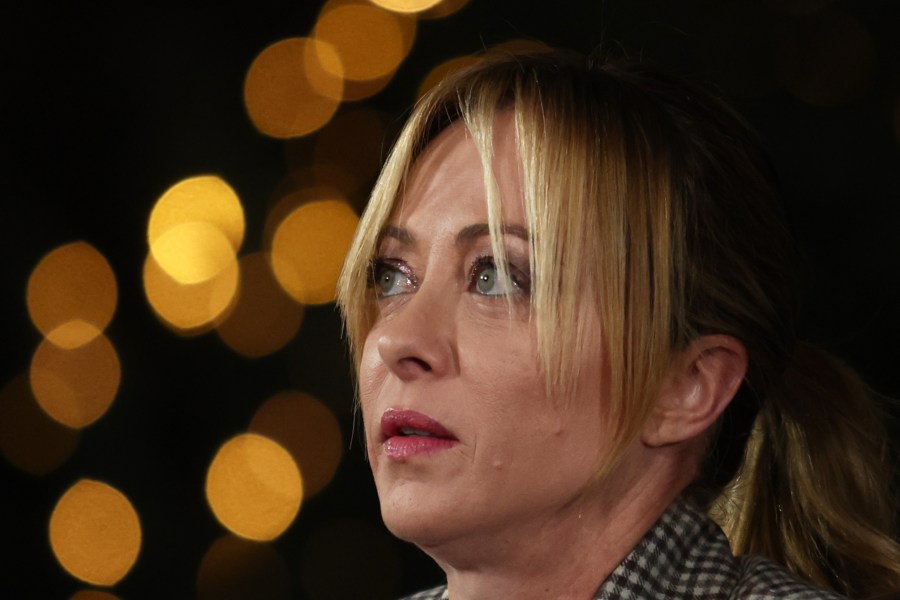
Italian Prime Minister Giorgia Meloni expressed reservations about the agreement during a press conference on October 25, 2023. She highlighted the need for reassurances regarding environmental protections and the impact on local agriculture. The Prime Minister emphasized that Italy’s position hinges on amendments aimed at safeguarding European farmers from potential competition arising from the deal.
The EU-Mercosur agreement, originally negotiated in 2019, aims to create one of the largest free trade areas in the world, encompassing approximately 780 million consumers. It seeks to reduce tariffs and open markets between Europe and the South American bloc, which includes Argentina, Brazil, Paraguay, and Uruguay. However, opposition from various sectors, particularly agriculture, has intensified as concerns about food safety and environmental standards grow.
As the summit approaches, the Italian government faces mounting pressure from domestic farmers who are worried about the potential influx of agricultural products from South America. Many fear that such competition could undermine their livelihoods and the sustainability of local farming practices. This has prompted protests, with farmers voicing their dissatisfaction in the streets of Brussels.
The European Commission has reiterated its commitment to the agreement, asserting that it includes provisions to ensure environmental sustainability and uphold high food safety standards. Nevertheless, the sentiment in Italy reflects a broader unease among EU member states regarding the implications of the deal.
If Italy were to withdraw its support, it could significantly delay the ratification process, which requires unanimous approval from all EU member states before the agreement can be finalized. The European Parliament’s role in the approval process adds another layer of complexity, as lawmakers will need to weigh the interests of their constituents against the potential economic benefits of the deal.
European leaders are expected to discuss the EU-Mercosur agreement during their summit, which will also address other pressing issues, including energy security and climate change. As negotiations progress, the outcome remains uncertain, with key stakeholders advocating for a balanced approach that addresses both economic aspirations and environmental concerns.
The situation underscores the challenges facing the EU as it navigates international trade agreements while considering the diverse interests of its member states and their constituencies. The coming days will be crucial in determining the future of the EU-Mercosur agreement and its implications for transatlantic trade relations.