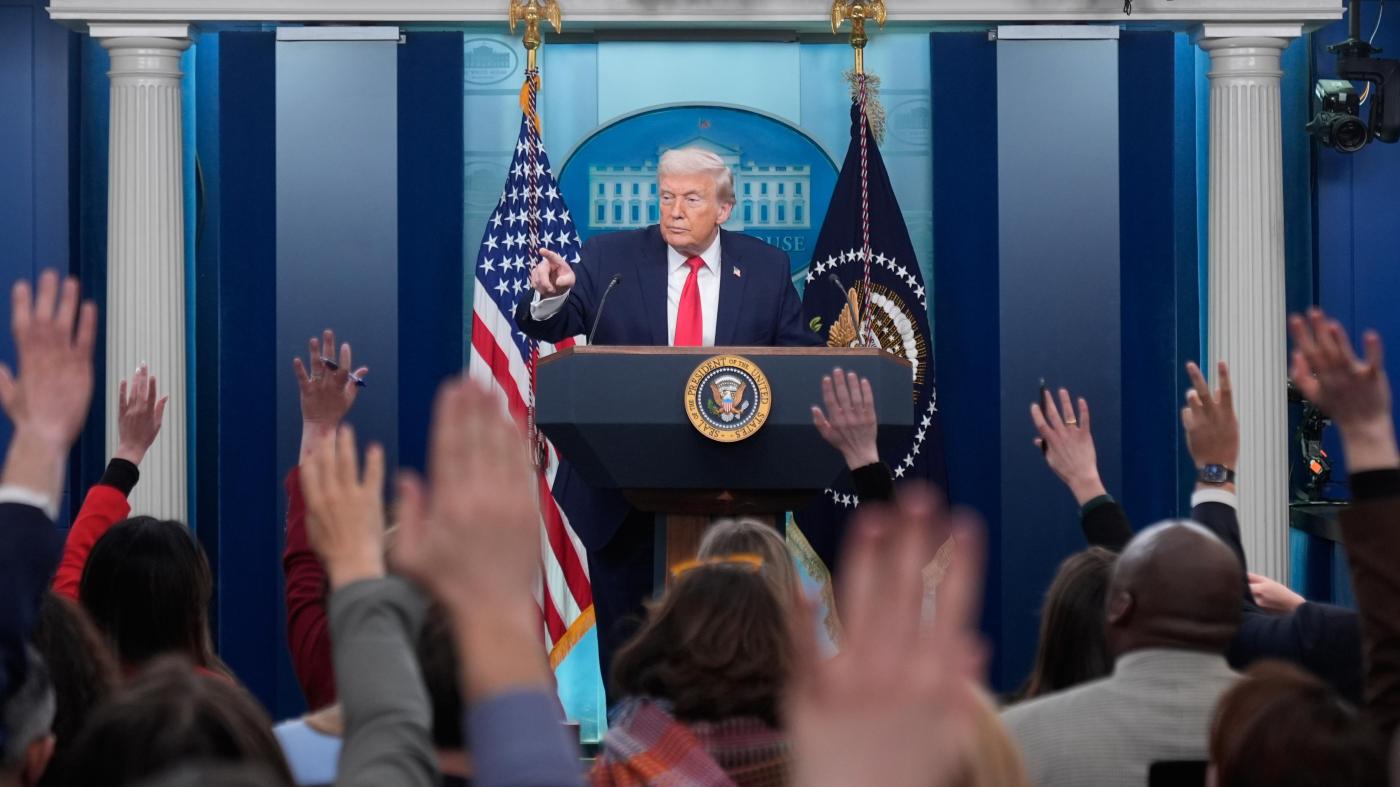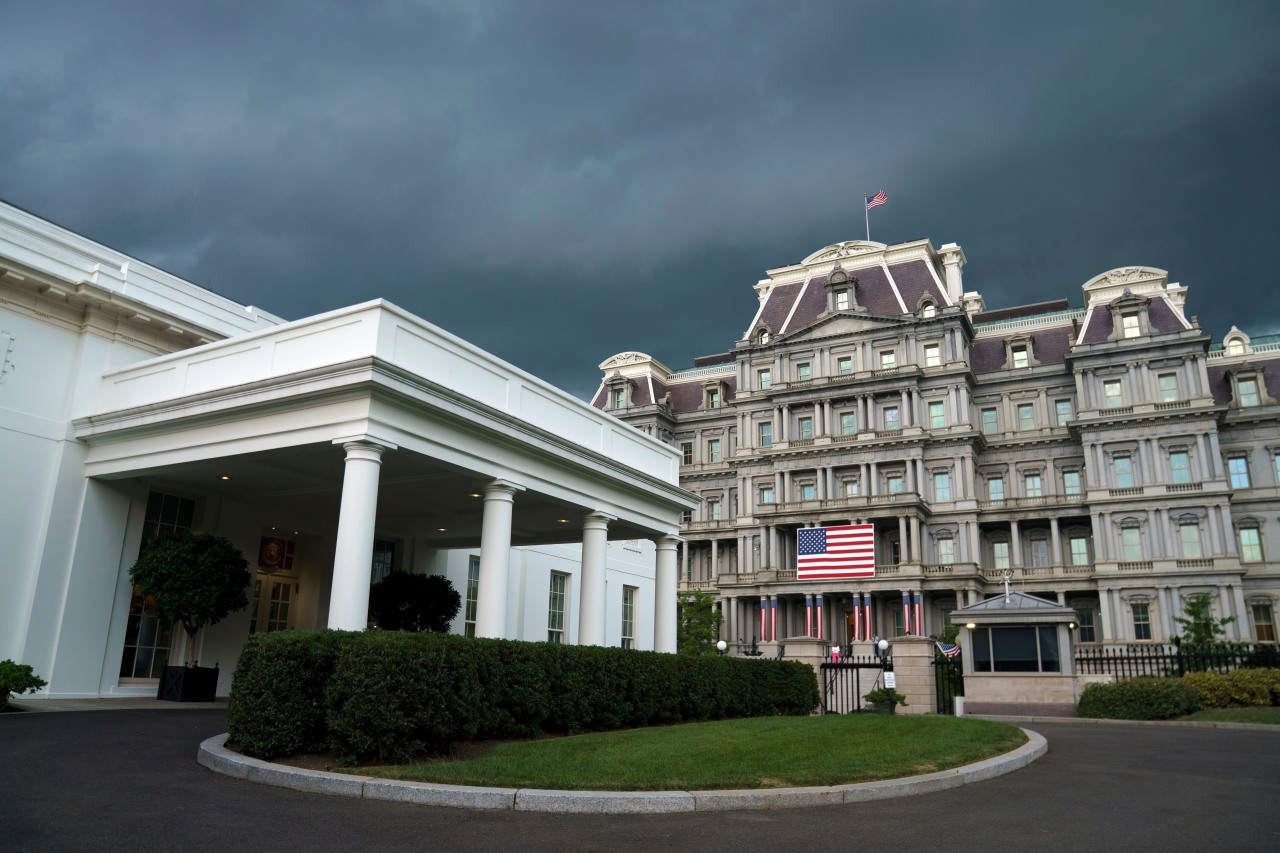
Former President Donald Trump is facing legal challenges from neighbors in Washington, D.C., over his ambitious renovation plans for the White House. Since returning to the residence, Trump has proposed significant modifications, including painting a prominent federal building white and constructing a new ballroom at the historic site. These plans have raised concerns among local residents and triggered disputes regarding compliance with federal regulations.
The proposal to paint the federal building white has drawn particular scrutiny. Residents argue that the color change would disrupt the aesthetic of the neighborhood, which is known for its historic architecture. Local authorities, including the National Park Service, have expressed reservations about the impact of such alterations on the character of the area.
Trump’s desire to create a new ballroom has further exacerbated tensions. Critics point out that the construction could obstruct views and create noise disturbances, prompting them to file legal complaints. The legal feud highlights a broader issue regarding the balance between the President’s renovation ambitions and the rights of community members.
In response to the mounting opposition, Trump’s representatives have emphasized the need for modernization and renovation of the White House. They argue that such improvements are vital for the functionality and security of the executive residence. They also claim that the plans are in line with federal guidelines and have received necessary approvals.
Despite these assurances, the legal disputes are unlikely to be resolved quickly. The complexities of federal property regulations mean that any changes to the White House or surrounding buildings must undergo rigorous review. As the legal battles unfold, both sides have expressed a willingness to negotiate, although no formal agreements have yet been reached.
Community members remain vocal about their concerns, urging local officials to protect the integrity of their neighborhood. They have organized meetings to discuss the implications of Trump’s renovation plans, aiming to rally support against the proposed changes.
As this situation develops, it will be crucial to monitor how Trump’s administration navigates the legal challenges posed by his renovation ambitions. The outcome may not only affect the physical landscape of the White House but also set precedents for how presidential renovations are managed in the future.
In the coming weeks, both Trump and the local community will likely intensify their efforts, as they seek to assert their interests in this contentious debate. The intersection of historic preservation and executive prerogative promises to yield significant ramifications for both parties involved.