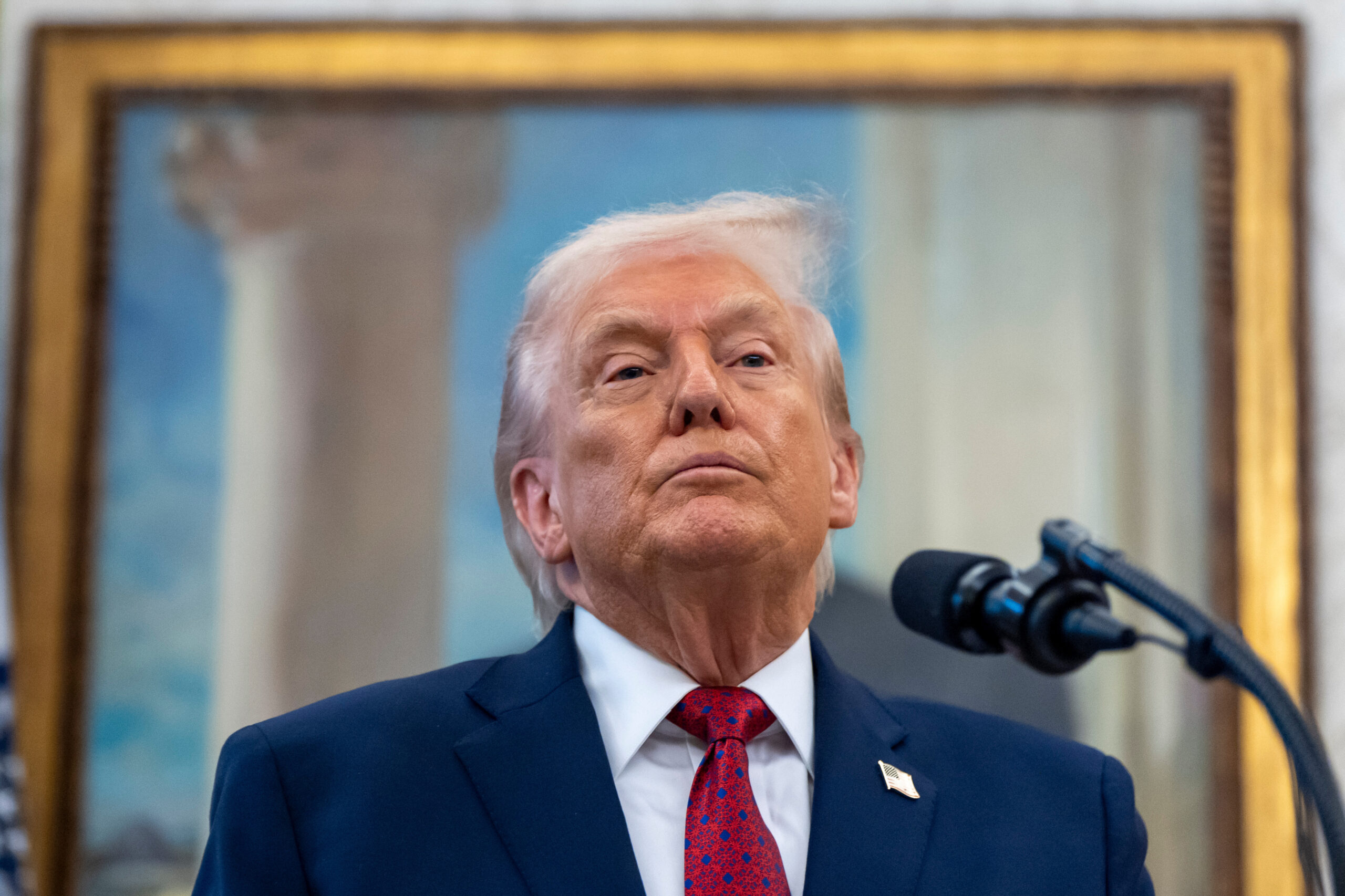
Former President Donald Trump has officially designated fentanyl as a “weapon of mass destruction,” a move that is expected to significantly influence United States policy toward China. This declaration, which comes amidst ongoing concerns over the opioid crisis in the country, may also accelerate the Trump administration’s military buildup in the Western Hemisphere.
The announcement, made on October 15, 2023, aims to address the growing challenges posed by fentanyl trafficking, which has been linked to numerous overdose deaths across the United States. According to the Drug Enforcement Administration (DEA), fentanyl is responsible for the majority of drug overdose fatalities, with over 70,000 deaths recorded in 2022 alone.
By categorizing fentanyl as a weapon, the Trump administration seeks to enhance its ability to combat the influx of this synthetic opioid, which is often manufactured in clandestine labs in China and Mexico. The designation may pave the way for more aggressive diplomatic and military strategies aimed at curbing the production and distribution of fentanyl, particularly from its sources in China.
Implications for U.S.-China Relations
This designation could result in heightened tensions between the United States and China. As fentanyl is primarily sourced from Chinese manufacturers, the U.S. government may pursue sanctions or other measures aimed at restricting the flow of precursor chemicals used in fentanyl production. Trump’s administration has previously expressed frustration over China’s perceived lack of action in addressing the opioid crisis.
In addition to potential diplomatic ramifications, the designation could also influence domestic policy. Lawmakers in Congress may begin to explore new legislative measures aimed at addressing the fentanyl crisis, including tougher penalties for trafficking and increased funding for drug enforcement initiatives.
The emphasis on fentanyl as a weapon of mass destruction could also shift resources within the U.S. military. The administration may allocate additional funds for operations designed to intercept drug trafficking routes and dismantle trafficking organizations. This military focus, if implemented, would mark a significant escalation in the U.S. response to the opioid epidemic.
Public Health Concerns
Public health advocates have expressed concern over the potential implications of this designation. While some argue that labeling fentanyl as a weapon may facilitate stronger measures against trafficking, others caution that it could lead to increased militarization of drug enforcement efforts, potentially impacting vulnerable communities disproportionately.
The debate surrounding this designation highlights the complexities of addressing the opioid crisis in the United States. While the intent is to bolster national security and protect public health, the outcomes of such a designation remain to be seen. Stakeholders from both health and law enforcement sectors will need to collaborate effectively to balance enforcement with compassionate care strategies for those struggling with addiction.
As the situation develops, the administration’s approach to fentanyl will likely remain a focal point in discussions surrounding drug policy and U.S. relations with China. The designation may also serve as a rallying point for both supporters and critics of the Trump administration’s strategies in tackling the opioid crisis.
In summary, Donald Trump’s declaration of fentanyl as a weapon of mass destruction is poised to reshape U.S. policy both domestically and internationally, particularly in relation to China. The broader implications for public health and drug enforcement will be closely monitored as this situation evolves.