A recent survey by Pew Research highlights a significant divide among Americans regarding healthcare coverage. While a majority support the federal government ensuring access to healthcare for all, opinions differ sharply on how to achieve this goal. The survey, which included responses from over 10,000 adults, reveals that approximately two-thirds believe the government should guarantee healthcare access.
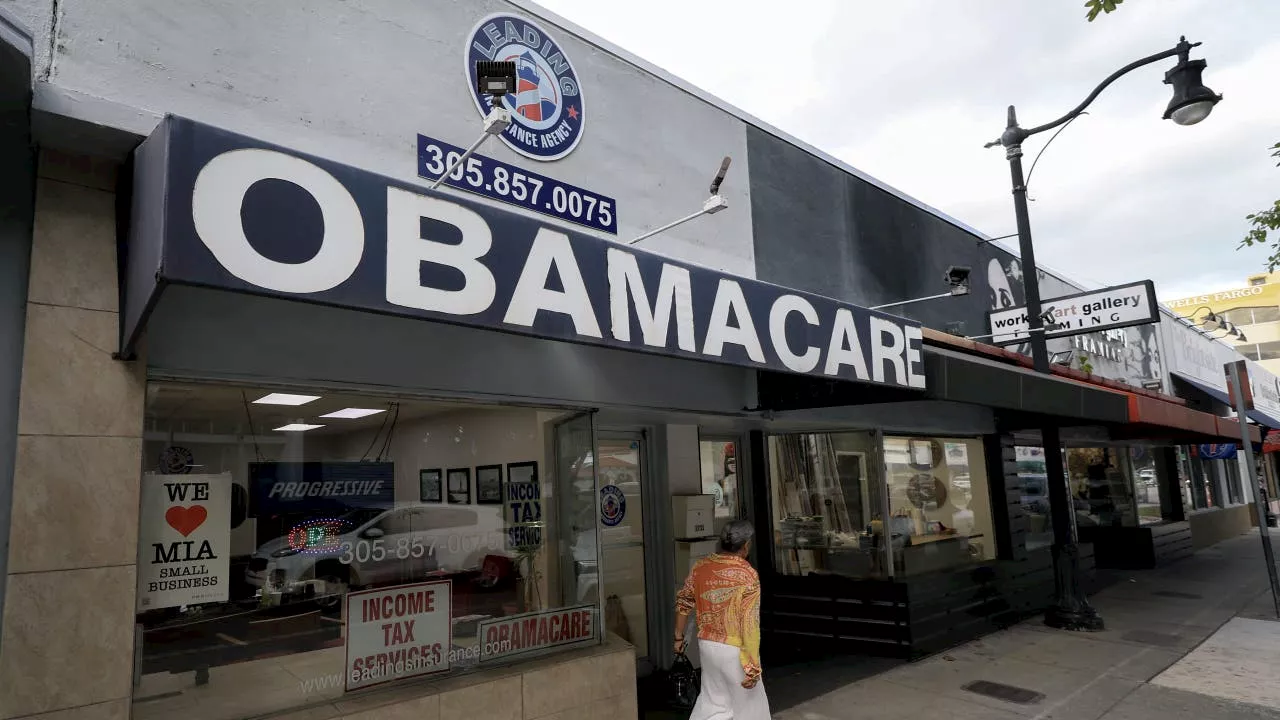
The need for clarity on healthcare solutions comes at a critical time. Millions of Americans are facing potentially steep increases in healthcare costs due to the expiration of subsidies linked to the Affordable Care Act (ACA), commonly known as Obamacare. These subsidies have been instrumental in making health insurance affordable for many, and their impending expiration is expected to lead to a surge in premiums.
According to the survey, 35% of respondents favor a single-payer system managed by the federal government. This approach could centralize healthcare financing and administration, potentially streamlining processes and improving access. In contrast, 31% of those surveyed prefer a mixed system that incorporates both private insurance companies and government programs, illustrating a desire to maintain market competition while providing public support.
Interestingly, about 33% of respondents believe healthcare should not be a federal responsibility. Despite this stance, a majority within this group still support existing programs like Medicare and Medicaid for vulnerable populations, including the elderly and low-income individuals. Only a small fraction, just 7%, assert that the federal government should not provide any form of health insurance.
The urgency of these findings is underscored by the potential consequences of the ACA subsidy expiration. KFF, a leading healthcare policy research organization, projects that premiums could rise by an average of 114% without these tax credits. This spike could render healthcare unaffordable for many, contributing to a significant increase in the uninsured population. A recent KFF survey revealed that approximately 25% of current ACA Marketplace insurance recipients would likely forgo coverage entirely if the subsidies are not reinstated.
The political landscape surrounding this issue is complex. A clear divide exists along party lines regarding government involvement in healthcare. Among Republicans and Republican-leaning independents, 59% believe the federal government is not responsible for ensuring healthcare for all. Nonetheless, 41% support federal involvement, marking a 9-percentage-point increase since 2021, particularly among lower-income Republicans, 60% of whom favor government participation.
In stark contrast, an overwhelming 90% of Democrats and Democratic-leaning individuals assert that the government has a vital role in ensuring healthcare coverage. Within this group, over half (52%) advocate for a national insurance program, while 37% prefer a mixed approach.
The House of Representatives is expected to vote on extending ACA tax credits, though the recent Senate rejection raises doubts about the proposal’s future. The ongoing debate over the role of the government in healthcare provision continues to evolve, reflecting broader societal divisions and the pressing need for effective solutions to rising healthcare costs.
As the situation develops, the implications for millions of Americans’ access to affordable healthcare remain significant.