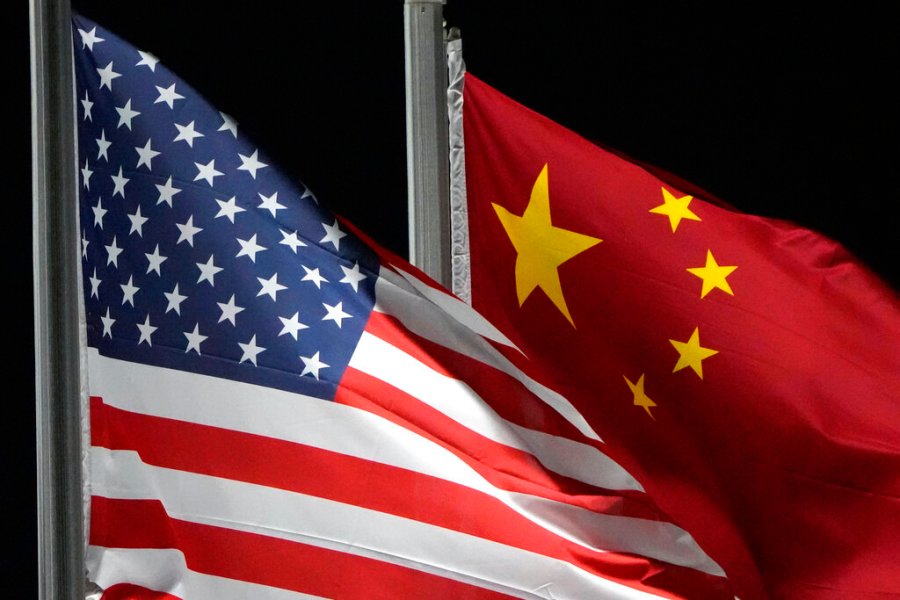
The U.S. policy of strategic decoupling from China is not achieving its intended goals, leading to significant financial losses for American companies. While intended to limit China’s technological advancements, this approach is instead fostering confusion among allies and accelerating technological independence in China.
The U.S. government has sought to distance its economy from China, particularly in technology and trade sectors. This attempt is rooted in national security concerns and the desire to maintain a competitive edge. However, according to the U.S. Department of Commerce, the decoupling strategy has resulted in an estimated loss of nearly $1 trillion in potential revenue for American businesses over the past year.
Impact on American Companies
The ramifications of this policy extend beyond financial losses. American companies are grappling with uncertainties regarding supply chains and market access. A survey conducted by the European Union Chamber of Commerce in China found that over 60% of member companies reported a decline in profitability due to heightened tensions between the two nations.
The situation has created an environment of confusion, particularly among U.S. allies. Companies in allied nations are often unsure how to navigate the trade landscape, leading to decreased collaboration. This uncertainty threatens to undermine decades of economic partnerships that have supported mutual growth.
China’s Rapid Technological Advancements
Conversely, this decoupling strategy has spurred China to enhance its technological independence. Recent reports indicate that China’s investment in research and development has surged to over $300 billion annually. This increase is partly fueled by the U.S. sanctions, which have prompted Chinese companies to accelerate their innovation efforts and reduce reliance on American technology.
The implications of this shift are profound. As China continues to invest heavily in its technological infrastructure, it is positioning itself as a formidable player on the global stage. The U.S. Senate has acknowledged the need for a reevaluation of the decoupling strategy to ensure that it does not backfire and inadvertently strengthen China’s technological capabilities.
Experts suggest that a more strategic partnership approach may yield better results. By working collaboratively with allies and focusing on shared interests, the U.S. could foster innovation and competitiveness without alienating its partners or inadvertently supporting its rivals.
The urgency of reassessing this policy is evident as the world watches. The balance of power in technology and trade is shifting, and how the U.S. responds may determine its future standing in the global economy. The current trajectory suggests that without a cohesive plan, the ramifications of unchecked decoupling could be detrimental not just for American businesses but for the international economic landscape as a whole.
In conclusion, while aimed at securing U.S. interests, the current approach to decoupling from China is failing to deliver the anticipated benefits. Instead of fostering innovation, it is creating obstacles for American firms and paving the way for China’s technological ascendance. The time has come for a thoughtful reevaluation of strategies to ensure that the U.S. maintains its competitive edge in a rapidly evolving global economy.