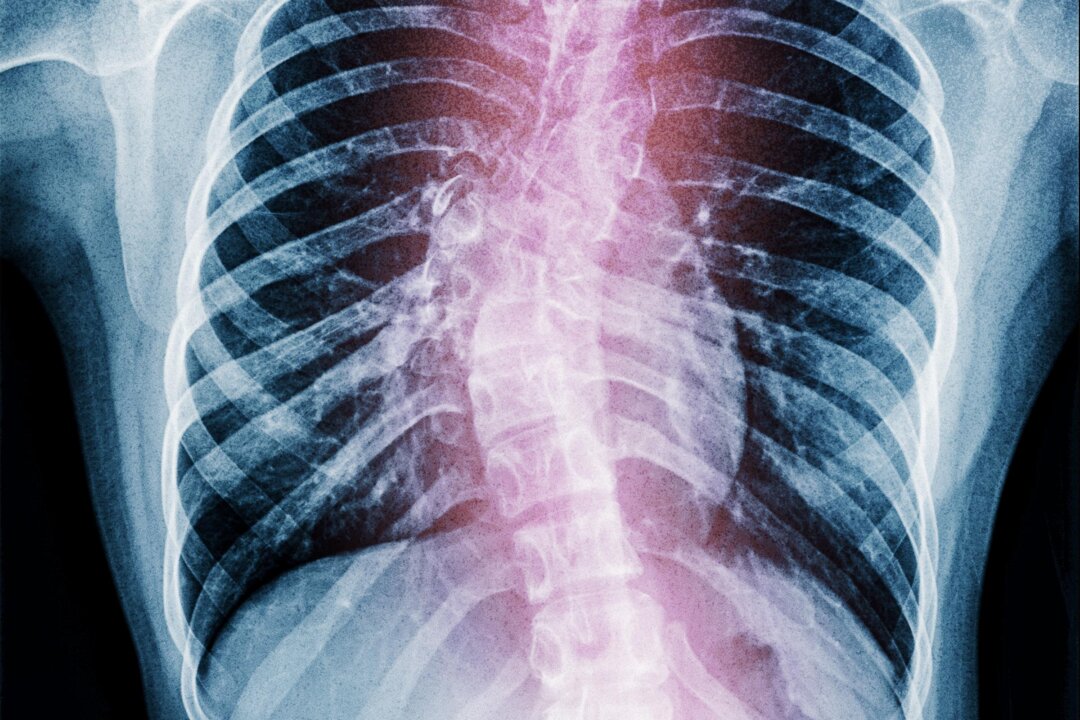
Unexplained lower back pain, uneven shoulders, and an unsteady gait may signal a serious issue: potential scoliosis. This spinal condition can progress silently, leading to severe complications, including breathing difficulties and compromised nerve function. Despite these risks, many individuals overlook early symptoms, often waiting until the problem escalates. However, experts emphasize that early detection is crucial, as even moderate scoliosis can typically be stabilized or improved with appropriate intervention.
Understanding Scoliosis and Its Symptoms
Scoliosis is more prevalent than many realize, yet it remains frequently unnoticed until it reaches advanced stages. According to Xie Bingxian, an attending neurosurgeon at National Yang Ming Chiao Tung University Hospital, “Many people don’t notice anything is wrong until their condition becomes severe.” This lack of awareness can lead to significant health issues that could have been managed or mitigated with timely treatment.
Common signs of scoliosis include not only back pain but also physical imbalances, such as shoulders that appear uneven when viewed from the front. An increasingly unsteady gait can also indicate spinal misalignment, which may not seem alarming at first but can lead to more serious complications if left unaddressed.
Early intervention is essential. If symptoms like these are present, consulting a healthcare professional for a thorough evaluation should be a priority.
Effective Treatments and Traditional Chinese Medicine
Fortunately, several treatment options exist for individuals diagnosed with scoliosis, particularly when caught early. One approach gaining traction is Traditional Chinese Medicine (TCM). This holistic method emphasizes muscle health and focuses on restoring balance to the body’s structure.
TCM practitioners often utilize techniques such as acupuncture and herbal remedies to support spinal health. Many patients have reported positive outcomes, finding these methods surprisingly effective in managing their conditions. The gentle, muscle-focused approach of TCM can provide relief and help improve spinal alignment.
In addition to TCM, more conventional treatments may include physical therapy, braces, and, in severe cases, surgical intervention. Each treatment plan should be tailored to the individual’s condition and needs, considering factors such as age, severity of the curve, and overall health.
Experts advise that awareness and education about scoliosis are vital in reducing the number of individuals who suffer silently. Regular check-ups, especially during adolescence when scoliosis is most commonly diagnosed, can help catch the condition early, allowing for more effective treatment options.
In conclusion, while scoliosis can present challenges, early detection and a variety of treatment options, including the gentle approaches offered by Traditional Chinese Medicine, can significantly improve outcomes for those affected. Understanding the early signs and seeking timely medical advice is key to managing this condition effectively.