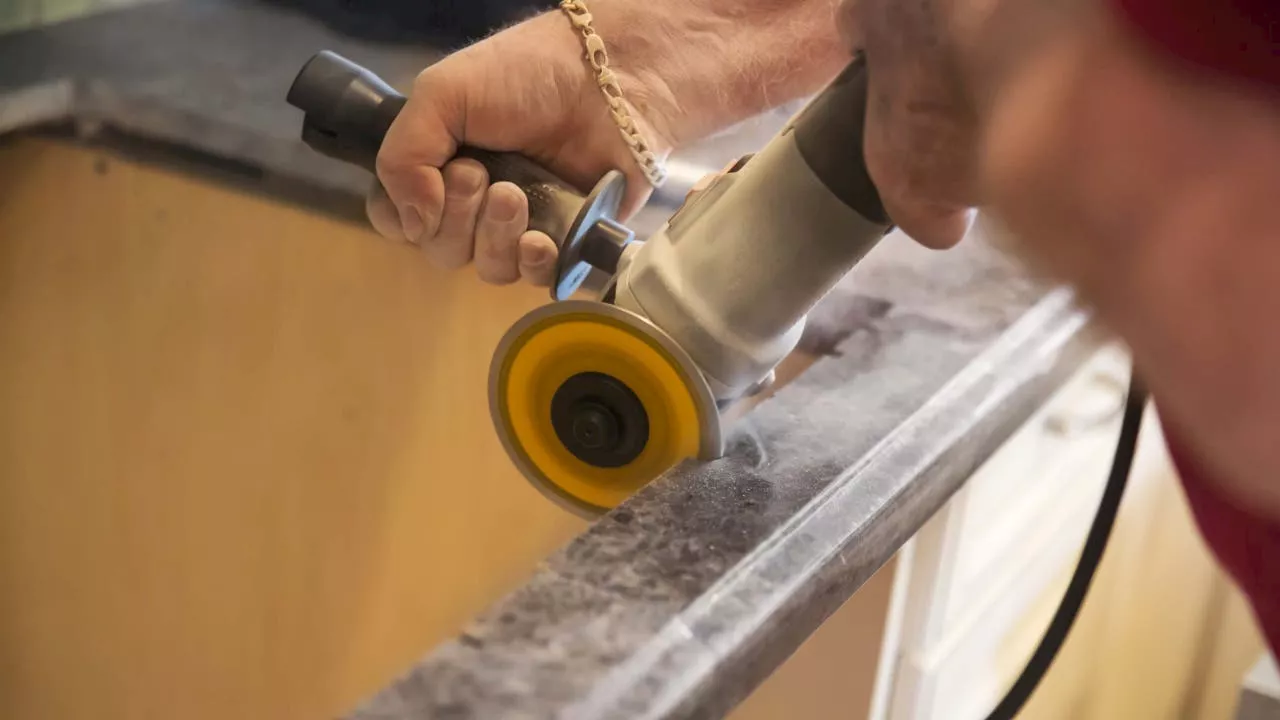
A man in his 40s from Massachusetts has been diagnosed with silicosis, a serious lung disease linked to his work in stone countertop fabrication and installation over the past 14 years. The Massachusetts Department of Public Health confirmed the diagnosis this week, marking a significant public health concern related to exposure to crystalline silica dust, commonly found in materials such as granite.
Silicosis is a progressive and incurable lung disease that results from inhaling fine particles of crystalline silica. This dust can become trapped in lung tissue, leading to inflammation, scarring, and a reduced capacity for oxygen intake. Symptoms often include shortness of breath, chronic cough, and fatigue. In more severe cases, silicosis can lead to lung cancer, chronic obstructive pulmonary disease (COPD), and even kidney disease.
Public Health Commissioner Robbie Goldstein, MD, PhD, emphasized the preventable nature of silicosis. “Silicosis is a devastating, life-altering disease – and one that is also absolutely preventable,” Goldstein stated. He urged Massachusetts employers, particularly in industries where workers are exposed to silica dust, to implement stronger protective measures. “No worker should have to suffer from a chronic and insidious lung disease or possibly die because of a preventable exposure at work.”
The risks associated with silica dust exposure are notable, particularly for workers in the stone countertop industry. Crystalline silica occurs naturally, predominantly in quartz, granite, and various other rocks. Activities such as cutting, grinding, and polishing these materials can release harmful silica particles into the air. OSHA reports that engineered stone, often referred to as quartz, poses a greater risk due to its higher silica content—averaging at least 90%, compared to 10-45% in natural granite.
To mitigate these risks, various engineering controls can be employed. Techniques such as water spraying systems and the use of remote-controlled tools can effectively reduce airborne silica levels. Additionally, appropriate respiratory protection is crucial for workers in high-risk environments.
The first reported case of silicosis associated with engineered stone dust in the United States was identified in Texas in 2014. Since then, numerous cases have emerged across various states, with California reporting significant numbers of incidents and fatalities. Notably, the demographic profile of those affected in the U.S. indicates a predominance of young, male, Hispanic or Latino workers. In 2023, the U.S. Census Bureau reported that over half of the workers in the engineered stone industry were under 45 years old, with nearly three-quarters being men and more than one in three identifying as Hispanic or Latino.
This recent diagnosis in Massachusetts highlights the urgent need for increased awareness and protective measures within the industry. As the number of cases continues to rise, the importance of safeguarding workers against preventable diseases like silicosis remains paramount.