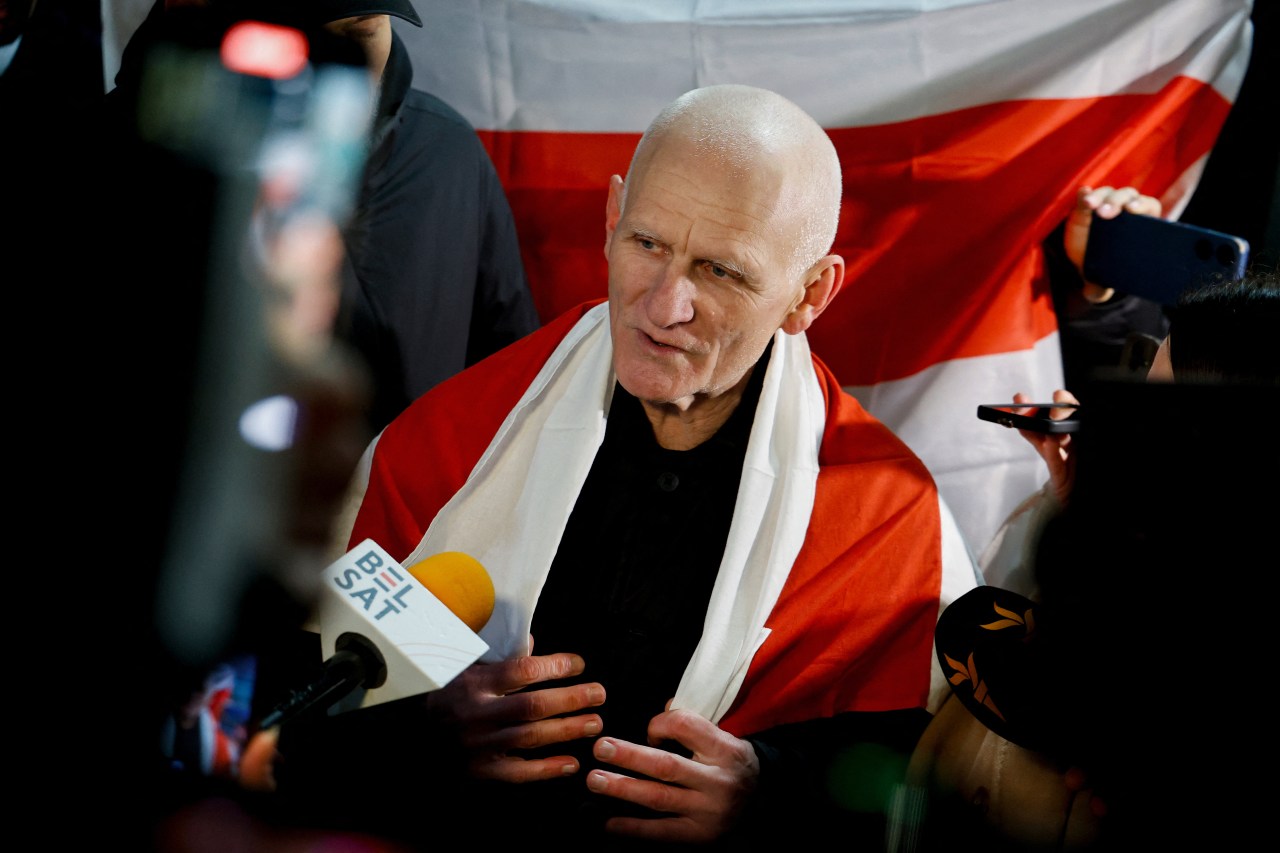
Belarus has released prominent political prisoners, including Nobel Peace Prize winner Ales Bialiatski. This decision follows a recent easing of sanctions by the United States, which has led to a thaw in relations between Washington and Minsk. The move is seen as an effort by the Belarusian government to improve its international standing and engage more constructively with Western nations.
The release of Bialiatski, who has been a vocal advocate for human rights and democracy in Belarus, is a significant development. He was sentenced to 14 years in prison in 2021 for his activism. His organization, the Human Rights Center Viasna, reported that Bialiatski was among several political prisoners freed following discussions between Belarusian officials and U.S. representatives in early March 2024.
In addition to Bialiatski, other political prisoners were also released, signaling a potential shift in the Belarusian government’s approach to dissent and political opposition. European Union officials have acknowledged this move as a positive sign, although they emphasize that continued dialogue and reform are essential for lasting change.
The easing of sanctions by the United States, which had imposed restrictions on Belarusian officials and entities due to the government’s crackdown on dissent, has opened the door for these developments. The Biden administration has indicated a willingness to engage with Belarus on various fronts, provided that the government shows a commitment to democratic reforms and human rights improvements.
While this release is welcomed by many, observers remain cautious. The situation in Belarus has been volatile since the disputed presidential elections in 2020, which led to widespread protests and a harsh government response. The international community continues to monitor the situation closely, urging Belarus to uphold its commitments to human rights and democratic governance.
As Belarus navigates its relationship with the West, the implications of these releases extend beyond its borders. Improved relations with the United States and the European Union could lead to increased economic opportunities for Belarus, which has been economically isolated in recent years. The government may seek to leverage this moment to attract foreign investment and enhance trade ties.
While the release of Ales Bialiatski and other political prisoners is a pivotal moment, the path forward remains uncertain. The international community’s response will likely influence how Belarus proceeds in its efforts to balance domestic stability with international engagement. The world is watching closely as Belarus seeks to redefine its place on the global stage.