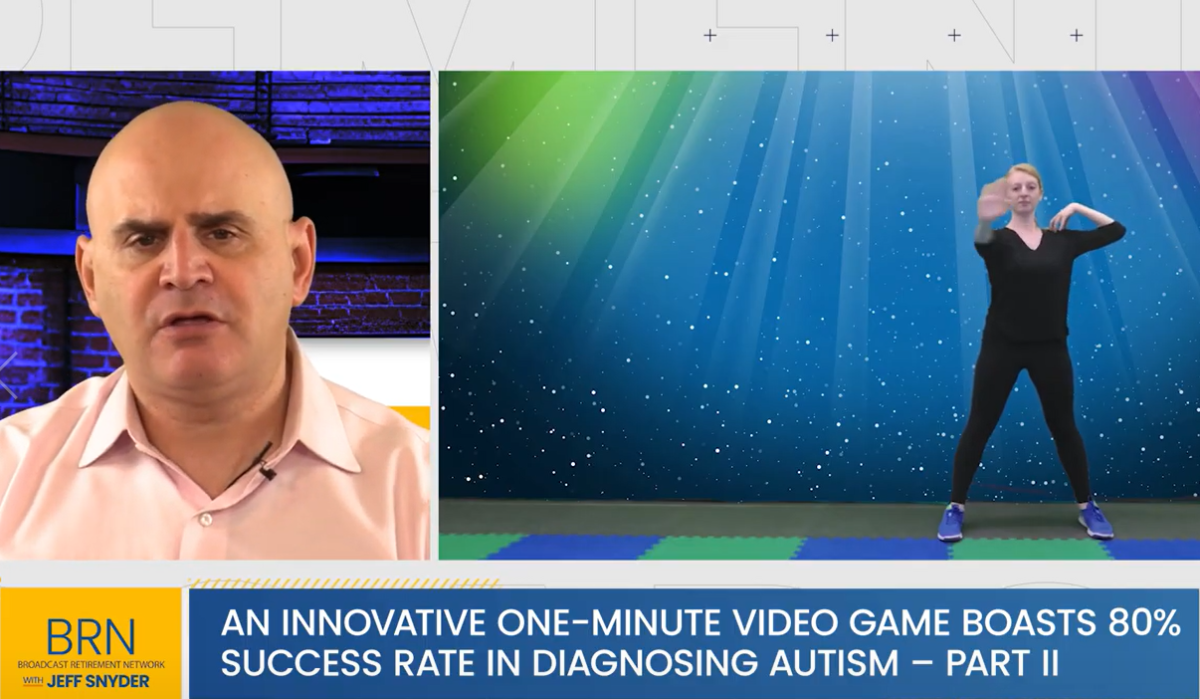
URGENT UPDATE: A groundbreaking video game named KAMI has achieved an impressive 80% success rate in diagnosing autism, according to new findings revealed today. This innovative tool is set to transform how children are assessed for autism and could address critical gaps in access to diagnosis.
During a live discussion on the Broadcast Retirement Network, experts Dr. Bahar Tungenc from Nottingham Trent University and Dr. Stewart Mostovsky from the Kennedy Krieger Institute highlighted the significance of KAMI. This one-minute video game evaluates children’s ability to imitate actions displayed by an avatar, providing a quick and reliable assessment method.
The ability to diagnose autism effectively is vital, especially in underserved areas where access to specialists is limited. Dr. Mostovsky emphasized that traditional diagnostic methods often rely on behavioral observation, which can be subjective and time-consuming. KAMI’s technology could pave the way for remote assessments, making early diagnosis more accessible.
“This game not only helps differentiate children with autism from neurotypical peers but also effectively distinguishes those with autism from those with Attention Deficit Hyperactivity Disorder (ADHD),” Dr. Mostovsky explained. The findings are reassuring, given that ADHD often presents similar motor challenges but does not impact imitation skills to the same extent as autism does.
With the increasing prevalence of autism diagnoses worldwide, the need for efficient and accurate assessment tools cannot be overstated. Dr. Tungenc noted that while KAMI is still in the research phase, its potential for widespread application is significant. “We are working to develop KAMI so that it can be used easily in clinical settings and eventually in homes,” she said.
As of now, KAMI relies on advanced 3D cameras for accurate movement analysis, making it less accessible for immediate use. However, efforts are underway to adapt the technology for use with standard cameras, like those found on smartphones. This adaptation would enable parents and clinicians to easily implement the assessment tool.
The implications of KAMI’s success are profound. With an 80% success rate, the video game could significantly streamline the diagnostic process for autism, providing parents and caregivers with quicker answers. “We’re excited about the possibilities that KAMI could bring to autism diagnosis,” Dr. Mostovsky stated.
As research continues, the team is eager to collaborate with clinical partners to refine KAMI further. The future of autism assessment is on the brink of transformation, and KAMI is at the forefront of this change.
For parents and guardians, staying informed about KAMI’s availability will be essential. The potential for early diagnosis could lead to better outcomes for children with autism, making this development a topic worth sharing.
For updates on the rollout of KAMI and its implementation in clinical settings, follow the latest news. The journey towards more efficient autism diagnosis is gaining momentum, and KAMI is leading the charge.